UK government borrowing rose above forecasts to £17bn ahead of October's Budget
Key Takeaways
- •October borrowing hit £17bn, £800m above OBR projections and the third-highest October total since monthly records began.
- •Debt interest payments of roughly £11.2bn and benefit spending of £29.3bn were major contributors to the strain on public finances.
- •Public debt stands at 95.8 per cent of GDP, and analysts at Capital Economics warn borrowing could top four per cent of GDP for a seventh consecutive year.
- •Chancellor Healey refused to rule out further tax rises before the next budget settlements, with Cabinet ministers tasked with finding departmental cuts ahead of the Spending Review.
- •The government faces pressure over Alan Milburn's proposals for business tax cuts and employment-support investment, despite reported resistance to cutting employers' National Insurance for workers under 25.
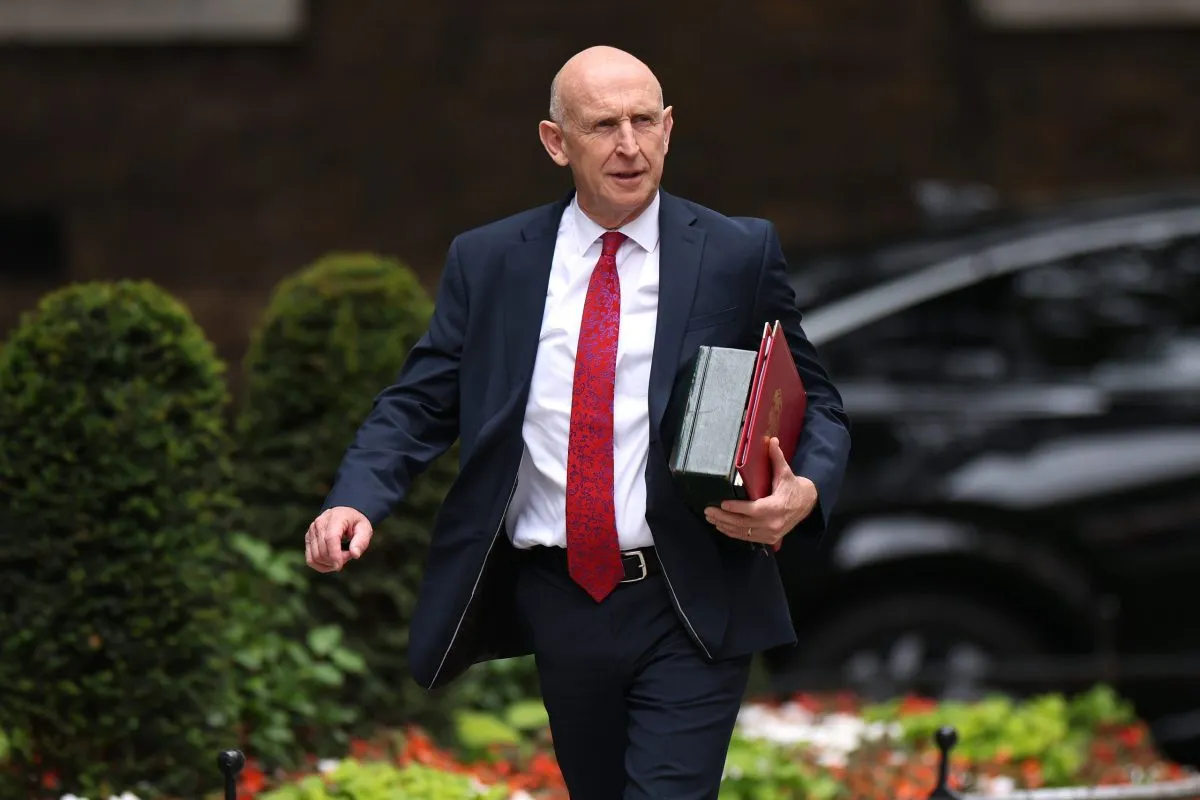
UK government borrowing came in higher than expected ahead of October's Budget, official figures have shown, with a raft of spending pressures leaving Chancellor Healey in a precarious position.
Borrowing — the difference between government spending and tax receipts — exceeded forecasts set by the Office for Budget Responsibility (OBR), the UK's independent fiscal watchdog, earlier this year. Debt interest payments of roughly £11.2bn — a cost that climbs when inflation and interest rates raise the price of servicing government debt — and benefit spending of £29.3bn added to the strain on the public finances.
October borrowing reached £17bn, more than five per cent higher than the same month last year and £800m above the OBR's previous projections. It marked the third-highest October figure since monthly records began.
The increase largely came in the run-up to the fiscal statement delivered on 28 October, at which the Chancellor set out nearly 100 policies aimed at easing cost-of-living pressures on business.
According to Paul Dales, chief UK economist at Capital Economics, the figures suggest public borrowing could exceed four per cent of GDP for the seventh consecutive year. Because the OBR's projections are the baseline against which the government's tax and spending plans are judged, a persistent overshoot narrows the headroom available under its fiscal rules.
Debt interest weighs on the public finances
The Office for National Statistics (ONS) measured public debt as a share of GDP — the standard yardstick for weighing a country's debt burden against the size of its economy — at 95.8 per cent, higher than at the same point last year.
"Income-related taxes' receipts grew particularly strongly," said Grant Fitzner, chief economist at the ONS. "However, monthly borrowing was up on last October, partly due to higher debt interest."
The figures underline the difficulty the Chancellor faces in restraining spending after roughly £70bn of cumulative tax rises introduced during Labour's first two years in government.
Healey's borrowing problem
The state of the public finances will come into focus ahead of next year's Spending Review, where the Chancellor is expected to pull cash from some areas of the state to fund Andy Burnham's priorities.
Healey has said Cabinet ministers are tasked with finding cuts and savings across government departments to fund support for defence, programmes helping young people into work, and long-term policies in the Prime Minister's forthcoming 10-year plan.
In the near term, departments could face a squeeze in spending as inflation is expected to peak as high as five per cent in the middle of next year. The monthly public finance updates from the ONS due before then will show whether borrowing continues to run above the OBR's projections into the Spending Review.
The Chancellor has argued that "innovative" financing will help the UK raise defence spending to three per cent of GDP by 2030.
Separately, the government is under pressure to accept proposals from Alan Milburn for up-front investment in employment support and tax cuts for businesses. According to reports in the Financial Times, there is "resistance" to the idea of cutting employers' National Insurance contributions for workers under 25. Milburn has said tax cuts should take place over a five-year period and first target the hospitality and retail sectors.
The range of decisions facing Healey in the run-up to next year's Spending Review will be closely watched by City figures. Speaking to MPs on the Treasury Committee, the Chancellor refused to rule out imposing further tax rises before the next round of budget settlements.
Chief secretary to the Treasury Emma Reynolds said: "Fiscal discipline underpins the decisions this government makes everyday. Britain is showing stand-out resilience despite the global impact of the conflict in Iran. We're building on that. This year we've cut borrowing faster than any other G20 country. Now we're going to cut waste and bureaucracy by reprioritising spending and making public services more efficient with AI."
Shadow chancellor Andrew Griffith said: "These latest borrowing figures show the government has lost control of the public finances."
Source: City AM

