UK Fuel Theft Surges 48% in Value as War-Driven Supply Crunch Pushes Prices Higher
Key Takeaways
- •UK fuel theft has risen 24% in frequency and 48% in value since the Middle East conflict began, with nearly $270,000 stolen daily according to Forecourt Eye data.
- •Gasoline prices reached 1.5997 pounds per liter and diesel approached 1.7897 pounds per liter, both significantly above historical averages but below 2022 peaks.
- •The global diesel supply shortage has been intensified by Ukrainian drone strikes on Russian refineries and a Russian diesel export ban extended through next year.
- •US refiners including Exxon, Chevron, and Shell increased utilization rates above 95%, yet crack spreads remain at record highs indicating sustained elevated fuel prices.
- •Forecourt Eye plans to launch a facial recognition service for fuel retailers this autumn, though UK data protection authorities have previously raised concerns about commercial use of the technology.
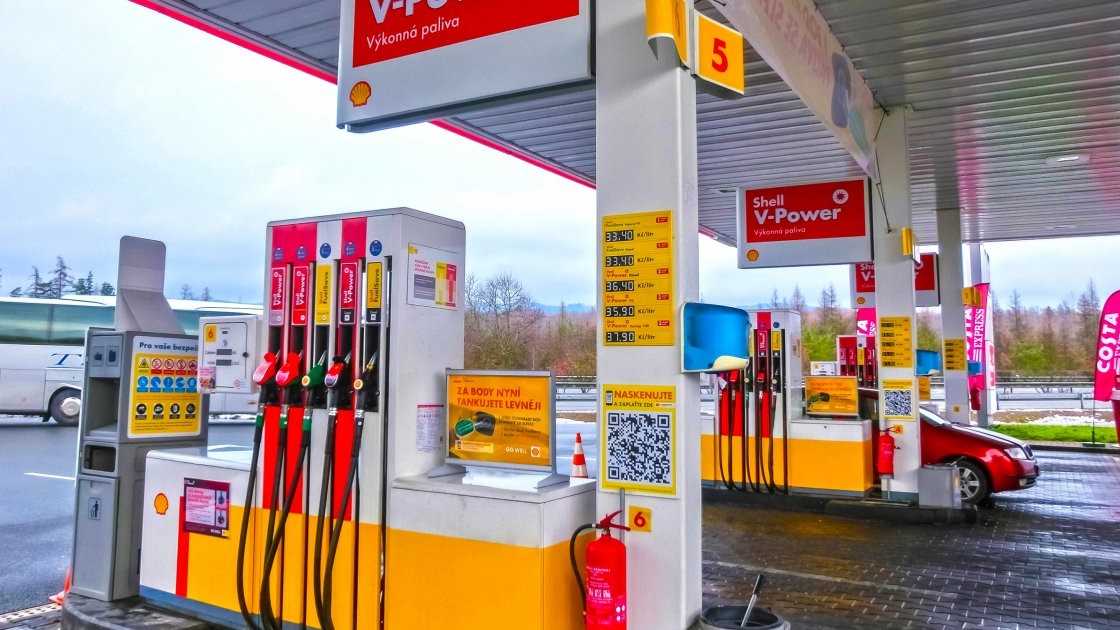
Motorists in the United Kingdom are increasingly driving off from petrol stations without paying for fuel, as soaring driving costs — driven by a global fuel supply crunch stemming from the war in the Middle East — put pressure on household budgets. The offenses include both drivers filling up and leaving without paying and individuals claiming they are unable to cover the cost of fuel already pumped.
According to data from the fuel crime prevention platform Forecourt Eye, UK drivers have been stealing fuel worth nearly $270,000 every day since the war between the United States, Israel, and Iran began at the end of February. The BBC, citing Forecourt Eye, reported that this represents a 24% increase in the frequency of fuel theft incidents. Measured by value, the rise was even more dramatic: fuel theft in the UK climbed 48% compared with the five months preceding the conflict, reflecting the impact of crude oil price inflation.
RAC, the UK's leading roadside assistance provider, reports that gasoline prices have reached 1.5997 pounds per liter ($2.15) — below the peaks recorded in 2022 but significantly above the 2014–2020 average. Diesel prices are approaching their 2022 highs, with a liter costing 1.7897 pounds ($2.41). UK pump prices include fuel duty set at 52.95 pence per liter, meaning government tax policy accounts for a significant share of what consumers pay independently of crude oil movements.
To combat the rise in theft, Forecourt Eye announced it will partner with a facial recognition company to give fuel retailers access to data identifying fuel thieves. The service is expected to launch this autumn. UK data protection authorities have previously raised concerns about commercial deployments of facial recognition technology, which could shape how widely retailers adopt the tool.
The war in the Middle East has triggered a global fuel crunch that analysts describe as substantially more severe than the disruption to crude oil flows from the Persian Gulf alone. Gulf states historically exported large volumes of refined products in addition to crude oil. Although some alternative export routes for energy commodities have been found, declining refinery capacity outside the region has exacerbated shortages of gasoline and diesel.
The supply squeeze was further intensified by Ukrainian drone strikes on Russian refineries, which caused temporary fuel shortages in certain areas and prompted a Russian ban on diesel exports that has been extended through next year. The timing is particularly challenging for global markets given the already tight diesel supply situation. Prior to the ban, Russia exported between 700,000 and 800,000 barrels of diesel per day.
With fuel supplies so constrained, U.S. refiners increased their run rates significantly. During the second quarter of the year, Exxon achieved a utilization rate of 95%, Chevron reached 97%, and Shell reported 102%. Despite the resulting record output of gasoline and diesel, crack spreads remain at all-time highs, indicating that fuel prices are likely to stay elevated for an extended period regardless of developments in the Middle East.
"We're in a diesel supply crunch right now because none of the Persian Gulf refineries can get product out," Rabobank senior energy strategist Joe DeLaura told the Wall Street Journal last month. "Crude oil is just the input, but diesel is the everything the industrial economy runs on. Everything in agriculture, everything in construction, everything in mining. Also everything on the supply and distribution side runs on diesel."
For the UK specifically, diesel's importance extends beyond commercial use: diesel-powered cars have accounted for roughly a third of the British passenger vehicle fleet, meaning diesel-specific supply tightness hits household budgets directly as well as through the supply chain costs that feed into grocery and retail prices.
That assessment echoed an earlier warning from Amrita Sen of Energy Aspects, who noted in July that fuel prices matter more to consumers than crude oil prices because fuels are what end users actually consume. "Product [i.e. diesel and others] markets are far tighter than crude markets," Sen said at the time.
By Charles Kennedy for Oilprice.com

