UK Lawmakers Warn Banking Restrictions Threaten Crypto Industry Growth
Key Takeaways
- •The Crypto and Digital Assets All-Party Parliamentary Group has opened a formal inquiry to evaluate whether UK banks' restrictions on crypto companies are proportionate and to assess their impact on businesses, consumers, and innovation.
- •Several UK banks have limited or blocked payments connected to crypto exchanges, citing concerns over fraud, money laundering, scams, and the inherent volatility of digital assets.
- •The Financial Conduct Authority is scheduled to begin accepting authorization applications under a broader cryptoasset regulatory regime in September 2026, building on its existing anti-money laundering registration system.
- •The European Union's Markets in Crypto-Assets framework offers crypto firms a unified regulatory passport, which could attract business away from the UK if domestic banking access remains difficult.
- •Lawmakers contend that even fully compliant crypto firms may struggle to scale operations without reliable access to essential banking services for processing customer funds and compensating employees.
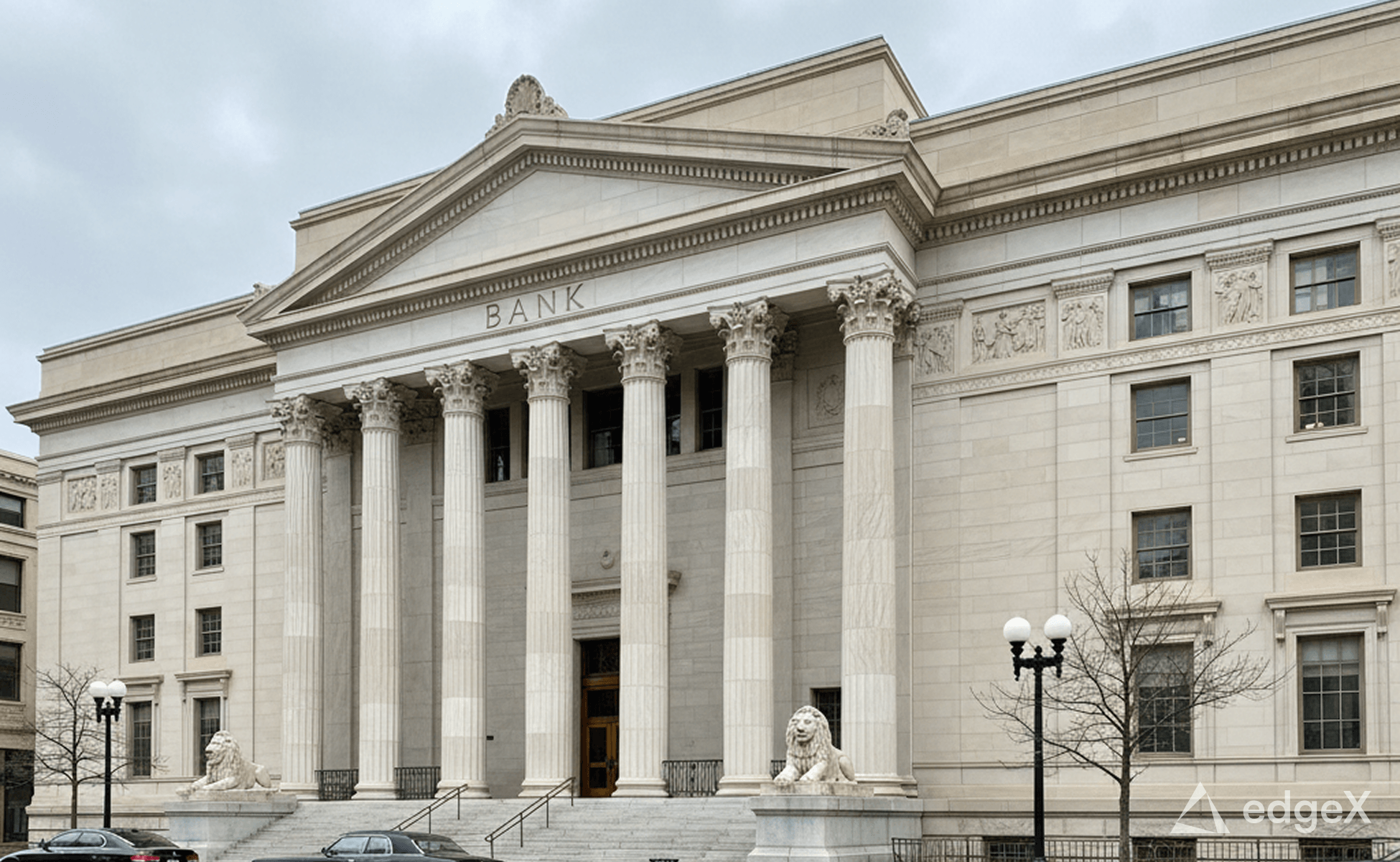
UK lawmakers have cautioned that the refusal of banks to serve cryptocurrency companies could become one of the most significant obstacles to Britain's digital asset ambitions, even as the country prepares to roll out a broader regulatory framework for cryptoassets.
Members of Parliament argue that crypto firms continue to face difficulties opening and maintaining bank accounts, while some financial institutions restrict payments connected to crypto platforms — despite these companies operating within or striving to comply with emerging regulatory standards. The issue reflects a broader pattern across major financial centers, where banks in jurisdictions including the United States and parts of Europe have similarly limited exposure to crypto-linked clients, often citing anti-money laundering obligations and reputational risk.
Parliamentary Inquiry Launched
The Crypto and Digital Assets All-Party Parliamentary Group has opened a formal inquiry into the matter. The group is assessing whether banks' restrictions are proportionate and evaluating their impact on businesses, consumers, competition, and innovation.
According to lawmakers, crypto companies depend on reliable banking services to process customer funds, compensate employees and suppliers, and manage routine operations. Without such access, even fully compliant firms may find it difficult to scale.
The inquiry also addresses concerns surrounding transaction restrictions involving crypto exchanges. Several UK banks have imposed limits or outright blocked certain payments, citing risks related to fraud, scams, money laundering, and the inherent volatility of digital assets.
Regulatory Framework Nears Implementation
The standoff underscores a growing tension within the UK's crypto strategy. Regulators are developing a formal framework designed to bring greater clarity to digital asset businesses, yet banks remain reluctant to engage with the sector.
The Financial Conduct Authority already operates a cryptoasset registration regime under anti-money laundering rules, and is scheduled to begin accepting authorization applications under the new, broader regulatory regime in September 2026. The updated rules are expected to enhance oversight while establishing a more defined pathway for regulated crypto businesses.
However, lawmakers contend that regulatory clarity alone will be insufficient if firms are unable to access essential financial infrastructure. The concern takes on added weight as the European Union's Markets in Crypto-Assets framework, known as MiCA, begins taking effect across the bloc, offering crypto firms a unified regulatory passport that could draw business away from the UK if banking friction persists.
The parliamentary group is currently gathering evidence on banking access and transaction restrictions, with recommendations anticipated once the evidence-gathering phase concludes.
The outcome may ultimately determine whether the UK's goal of becoming a leading digital asset hub translates into tangible business growth. Improved banking access could bolster legitimate crypto firms, while banks will continue to face pressure to mitigate financial crime and protect consumers from risk.

