UK Government Convenes Emergency Cobra Meeting as Heatwave and Drought Strain Public Finances
Key Takeaways
- •Prime Minister Andy Burnham will chair a Cobra meeting on Wednesday afternoon, bringing together ministers from health, water, housing, and local government alongside Met Office and Environment Agency officials.
- •The Met Office forecasts temperatures could reach 38C on Thursday, while more than two-thirds of the UK, including all of London, is currently in drought.
- •Economists estimate the heatwave is costing the UK economy between £3 billion and £4 billion through lost productivity and weaker-than-expected retail sales.
- •Analysts warn the dry summer could produce one of the poorest harvests on record, potentially increasing reliance on imported grain and driving up animal feed costs.
- •This is the second Cobra meeting convened this summer for extreme heat, consistent with Climate Change Committee warnings that UK adaptation planning is falling behind escalating climate risks.
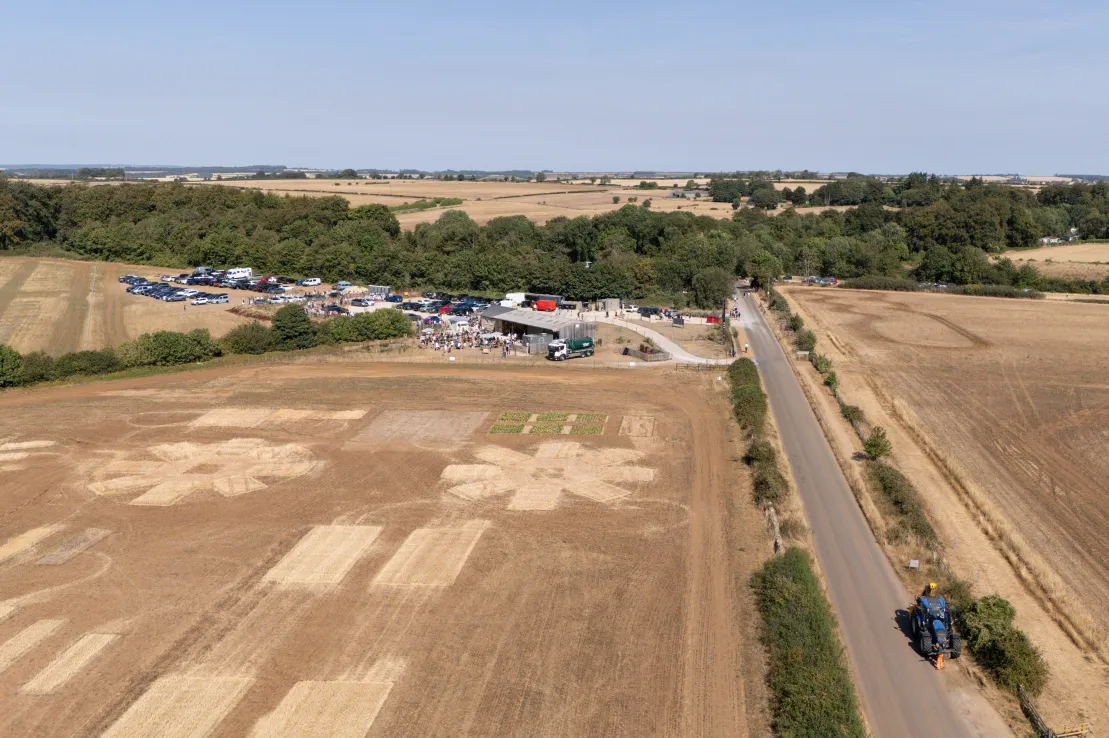
The UK government will hold an emergency Cobra meeting to coordinate its response to this summer's extreme heat and drought, amid mounting concerns that the crisis will place further strain on public finances.
Prime Minister Andy Burnham will chair the Wednesday afternoon session, bringing together ministers responsible for health, water, housing, and local government, along with officials from the Met Office and the Environment Agency. Cobra — the Cabinet Office Briefing Room A mechanism used to coordinate cross-government responses to national emergencies — is typically reserved for security crises and major incidents.
According to the Met Office, temperatures could climb to 38C on Thursday, with potential disruption to infrastructure, transport networks, and health services. More than two thirds of the country is now in drought, including the entirety of London, resulting in dwindling water supplies. The UK's transport network is particularly vulnerable to extreme heat, with rail speed restrictions and buckled tracks a recurring problem during recent hot spells.
This will mark the second Cobra meeting convened this summer in response to soaring temperatures, a frequency consistent with warnings from the government's independent Climate Change Committee that the country's adaptation planning is not keeping pace with escalating climate risks.
A spokesperson for the Prime Minister acknowledged that the situation was presenting significant challenges for firefighters, doctors, and farmers. "We will continue to take the action needed to keep communities safe, protect water supplies, support farming communities and safeguard the environment," the spokesperson said.
Analysts Warn of Economic Toll
City analysts have cautioned that the drought and extreme heat serve as a "rude awakening" for food suppliers, signalling that climate changes are "here to stay."
"Extra measures to keep as much of the harvest safe as possible, increased health and safety measures, and firefighting, all cost more money, and this will end up being a further strain on public coffers," said Angeline Ong, a senior technical analyst at investment platform IG.
"This comes at a difficult time, when the impact of war, tariff tantrums, and the expected El Niño has not even been fully accounted for," Ong added.
Bank of England officials have cited global heatwaves as a factor that could push inflation higher. Other economists estimate that the current weather conditions are already costing the UK economy billions in lost productivity and weaker-than-expected retail sales.
Martin Beck, chief economist at WPI Strategy, offered a "reasonable" estimate of £3bn for the cost of the heatwaves, while noting a "wide margin of uncertainty around that figure." Economists at the think tank Verdant put the cost to the UK economy at more than £4bn.
The Office for National Statistics has warned that agricultural and construction workers are often only half as productive when temperatures exceed 35C.
Agricultural Sector Braces for Poor Harvest
Shore Capital analyst Akhil Patel said the dry summer is on track to produce "one of the poorer harvests on record," potentially increasing the UK's reliance on imported grain and driving up animal feed costs.
"Dairy farmers face much lower grass growth caused by drought and milk yields, forcing earlier use of winter forage or silage reserves and greater reliance on 'more expensive' purchased feed," Patel said.
"While this is supportive for feed demand, it raises concerns around forage and silage availability, livestock profitability and wider crop production," he added.
Patel called on the government to develop a 25-year strategy focused on strengthening food security and building resilience against the impacts of climate change. The call echoes longstanding recommendations from industry bodies such as the National Farmers' Union, which has urged ministers to treat domestic food production as a matter of national security.
