Mooky Greidinger's Showcase Cinemas and Imax Deal Signals a Strong Future for the Big Screen
Key Takeaways
- •Mooky Greidinger has acquired Showcase's 16-site UK cinema circuit and agreed a deal with Imax to install laser projection systems at 12 of its locations.
- •UK cinema admissions passed 17 million in August 2026, a 56 per cent increase on the same month in 2025, driven by The Odyssey and Spider-Man: Brand New Day.
- •Odeon's summer 2026 attendance rose 33 per cent compared with 2025, marking its strongest performance since before Covid.
- •The sector is rebounding from a 75 per cent collapse in UK attendance in 2020, though struggling venues continue to close and Odeon's full-year 2026 results remain unreported.
- •Operators are diversifying beyond film, with venues such as The Light in Banbury combining cinemas with bars, food and leisure activities, while Vue is rumoured to be considering a stock market float.
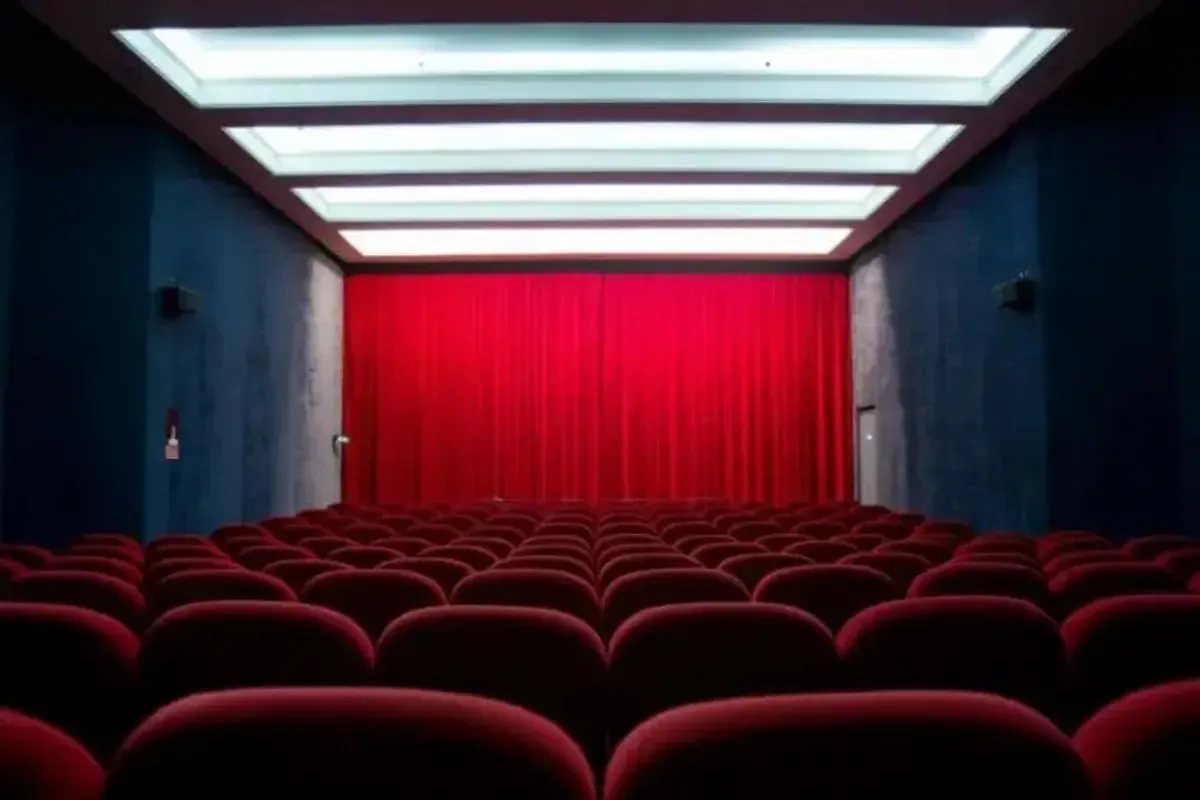
Mooky Greidinger's moves rarely go unnoticed in the film exhibition industry. The cinema executive took a small family-owned chain in Israel, merged it with Cineworld and helped build the world's second-largest cinema group.
Last week brought confirmation that Greidinger is back in the UK. He has acquired Showcase's 16-strong UK circuit and signed a major deal with Imax to roll out laser systems at 12 of the chain's sites. The technology is part of the value: laser projection delivers brighter, sharper images than conventional lamp-based projectors, and premium formats such as Imax typically carry higher ticket prices than standard screenings. The move is bold in scale, but its wider significance lies in the message it sends: cinemas remain big business, and they have a big future.
UK cinemas: from lockdown to new heights
Six years ago, the sector told a very different story. Lockdowns proved devastating, with UK attendance in 2020 falling 75 per cent on the previous year. Entertainment groups in the UK and around the world needed huge government subsidies just to keep operating.
Keep going they did, however, and as 2026 draws to a close there are clear signs — extending beyond the Showcase deal — that the sector is not merely back but reaching new heights: innovating, transforming and developing new formats and ideas. It has been a decade of challenge and change, and cinemas have listened.
Even so, issues remain in 2026. Change is still under way, struggling sites continue to close, and attendance and sales figures remain in flux.
Odeon and the blockbuster summer
A year ago, Odeon reported a sharp drop in attendance but a significant increase in box office revenue, driven by higher ticket prices. The group's full-year 2026 results are still awaited, but the summer was a golden one. With help, no doubt, from Christopher Nolan's blockbuster The Odyssey, Odeon's summer attendance was 33 per cent up on 2025 — its highest figures since before Covid.
The whole sector, in fact, breathed a sigh of relief over a blockbuster summer led by The Odyssey and, just behind it, Spider-Man: Brand New Day. The net result: admissions in August 2026 passed 17m, an increase of 56 per cent on the same month in 2025. Since Covid, only the Barbenheimer phenomenon of July 2023 — when Barbie and Oppenheimer premiered on the same day — has drawn more people through cinema doors in a single month.
Showcase and Imax: the lesson for Vue and its rivals
It is precisely the news UK group Vue needed to hear, if rumours of a stock market float are to be believed. But a float takes more than a few big summer blockbusters. Vue has invested heavily across its portfolio, with refurbishments including the transformation of its Finchley Road site in London, completed in September 2026.
If the Vue float rumour is the teaser for a future, rejuvenated cinema business, Greidinger's Showcase and Imax deal is the all-star cast and the after-party combined. The transaction also carries a lesson: if cinemas are to thrive in the modern era, they need the latest technology and the best possible screens — and that means major investment.
Without significant capital spending and smart portfolio management, all the blockbusters Hollywood can produce will not be enough. Leisure habits are changing, and cinemas must offer more than popcorn and a screen — Imax 4K laser systems are one example — to get customers off their sofas. That means expanding and diversifying the customer offer, transforming venues and properties, and creating genuinely mixed-use leisure spaces with enough appeal to entice the whole family.
The Light Banbury: cinema as a leisure destination
Examples of this thinking can be found across the country. To call The Light in Banbury a cinema would be like calling Oppenheimer a story about science. The multi-use venue, opened in 2022, combines bars, food options, a climbing wall, mini golf, karaoke booths, darts, bowling, soft play and, yes, a cinema.
Opening when it did, after so much industry turmoil, might not have been possible had The Light been a cinema alone. With so much to offer so many ages and group dynamics, it goes far beyond that — and it may represent the future of the mainstream cinema sector.
Some groups are investing in their existing estates; others are expanding. Nottingham-based independent chain Savoy has grown steadily, mainly through acquisitions, taking the group's portfolio to nine sites. Everyman continues to expand, notably in Elephant & Castle, where a future five-screen cinema will be one of the company's biggest in London. There are local stories too, including the news that a new 10,000 square foot three-screen cinema is heading to the North Yorkshire city of Ripon.
These examples cut to the core of why cinemas matter, and why they mean so much to people and places.
The future of the cinema industry
It has been a testing decade for cinemas. But signs like these are everywhere now — not just of a renewal, but a renaissance in real-life experiences. Retail and leisure spaces are not simply reviving; out of necessity, they are being reborn. Now, it is cinema's turn. The near-term markers to watch are already set: Odeon's full-year 2026 results, which remain unreported; whether Vue's float ambitions harden into a formal listing; and the pace at which Showcase's Imax laser systems arrive at its 12 sites.
The message of the past 10 years was never that cinema's days are over. Far from it. The message was that people need more than just a movie to get them out of the house. The smarter operators have given them more: games, sports, entertainment, food and film — rich, exciting places unique to their towns and high streets.
These operators are creating venues greater than the sum of their parts. They are writing the future of leisure and entertainment, and a tantalising sequel in the never-ending story of the silver screen.

