James Price Criticizes Ed Miliband’s Reported Plan to Restore UK Aid Spending to 0.7%
Key Takeaways
- •Price says Miliband has reportedly been asked to develop a route back to spending 0.7 per cent of national income on overseas aid.
- •The UK first met the 0.7 per cent aid target in 2013 and reduced the commitment to 0.5 per cent in 2021 after the COVID-19 pandemic.
- •Price cites Mongolia’s corruption ranking and UK-backed environmental and climate projects there as examples of aid spending he questions.
- •Restoring the 0.7 per cent target from a planned 0.3 per cent level would require about £12bn more in annual spending, according to Price.
- •Price also highlights past aid-funded projects involving China and academic research as part of his broader criticism of development spending.
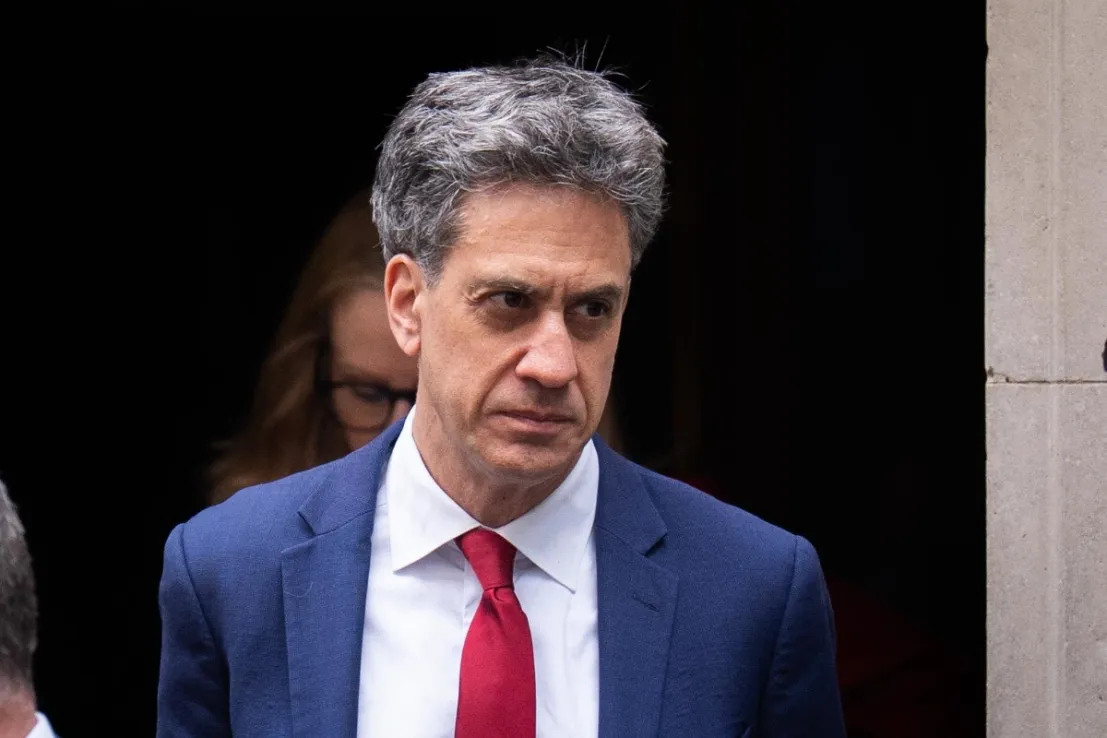
James Price argues that Ed Miliband's reported support for returning UK aid spending to 0.7 per cent of national income should be viewed against what he describes as a history of waste, corruption and costs to taxpayers.
Price begins with events in Mongolia. Last year, a 23-year-old man in Ulaanbaatar proposed to his girlfriend with a helicopter ride, an expensive ring and designer handbags, all of which were documented on social media. The man's father was Luvsannamsrain Oyun-Erdene, then Prime Minister of Mongolia, who had campaigned on his humble rural background and had once declared an official "Year to Combat Corruption".
Within weeks, young Mongolians gathered in the capital's central square, demanding answers about the source of the money. Oyun-Erdene later lost a confidence vote in Mongolia's Parliament, the State Great Khural, and left office, with Price characterising the episode as a government brought down by the social media posts of the Prime Minister's son.
Price links the case to Miliband's new role as Foreign Secretary. He writes that Miliband has been told to reorganise the department around his climate priorities and, reportedly, a "roadmap" back to spending 0.7 per cent of national income through the aid budget. The 0.7 per cent figure originated as a United Nations target for wealthy nations in 1970, and the UK codified it in domestic law through the International Development (Official Development Assistance Target) Act 2015. Britain first met the target in 2013 and maintained it until 2021, when the government reduced the commitment to 0.5 per cent, citing the economic fallout of the COVID-19 pandemic — a move that drew sustained opposition from across Parliament. Price also repeats his criticism that Miliband, in his previous energy role, gave Britain the highest energy prices in the developed world.
Mongolia is central to Price's argument because, he says, the UK has sent large amounts of aid there despite the country never having been invaded by Britain or having been part of the British Empire. He says British taxpayers have provided millions to a country he describes as known for money laundering and corruption.
Price cites Transparency International's ranking of Mongolia at 121st out of 180 countries and says British taxpayers have funded a range of projects there over the years. These include DEFRA grants for "Mongolia's New Ecological Police" and for protecting wild camels in the Gobi Desert. He also says multilateral climate funds, partly funded by British taxpayers, have approved nearly half a billion dollars' worth of projects, including insulation for apartment blocks in Ulaanbaatar.
The financial implications of returning to the 0.7 per cent aid target are substantial, Price says. Aid is due to fall to 0.3 per cent of GNI next year, or roughly £9.2bn. Restoring the 0.7 per cent target would therefore require about £12bn in additional spending every year, at a time when the state is nearly £3 trillion in debt and paying £110bn annually in interest alone. The debate also comes amid a broader retrenchment in overseas aid among OECD donor nations, several of which have cut their development budgets in response to domestic fiscal pressures.
Price says Miliband has a record of high public spending
Price argues that Miliband has shown a willingness to spend public money in pursuit of climate and foreign policy goals. He says Miliband has boasted of having "maintained" £11.6bn of climate finance "despite the difficult fiscal circumstances". Price also says Miliband's COP30 delegation cost taxpayers more than £800,000, including £600,000 on private accommodation for a summit that the Americans, Chinese and Indians did not attend.
Mongolia, Price says, is not the most unusual case in the development spending record. He writes that the aid budget has been charged £792,000 for a SOAS study of the Tibetan verb and funded a £50m Prosperity Fund programme to "work with China to address big global challenges". He adds that the UK still sends Beijing around £8m a year while China sanctions Parliamentarians and attempts to hack key national infrastructure.
Price says supporters of aid spending argue that it buys "global leadership", but he disputes that claim. He notes that Western aid fell by a record 23 per cent last year and says Britain is proposing to borrow its way back to what he calls "moral grandeur" by sending money into countries where citizens have protested against unexplained wealth among rulers.
He concludes by invoking Milton Friedman's thought experiment of "helicopter money", in which cash is dropped from the sky with no questions asked. Price says the Mongolian Prime Minister's son appeared to take the idea literally as part of a wedding proposal, while protesters believed corruption was involved. Under Foreign Secretary Miliband, he argues, Britain would be increasing spending in areas vulnerable to such abuse.

