Uber Explores 'Tween' Ride Feature for Children Aged 10–12, App Code Reveals
Key Takeaways
- •Hidden code in Uber's iOS app suggests the company is developing a feature to allow adults to add children aged 10 to 12 to Uber Family profiles for supervised rides.
- •Planned safety controls include designating a trusted adult contact for trips and requiring a responsible adult at both pick-up and drop-off locations.
- •The proposed tween feature would extend Uber's existing Teens service, which currently serves riders aged 13 to 17 with live tracking and audio recording capabilities.
- •Competitor Lyft launched its own teen ride offering in 2023, reflecting broader industry interest in capturing family transportation demand.
- •Uber has not confirmed the feature, and significant questions remain regarding supervision enforcement, driver screening protocols, and potential regulatory scrutiny.
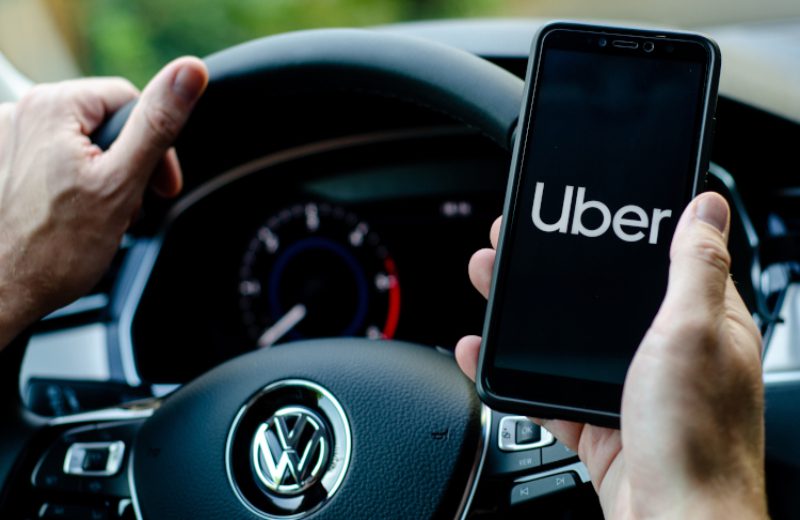
Uber has not officially announced a new feature in its latest iOS app, but developers have discovered code suggesting that the ride-hailing company may soon allow adults to add children aged 10 to 12 — described internally as "tweens" — to their Uber Family profiles. If introduced, this would represent the youngest age group Uber has considered serving directly and would place the company further along a path that competitors have also begun exploring. Lyft, for instance, launched its own teen ride offering in 2023, signaling growing interest among ride-hailing platforms in capturing family transportation demand that has traditionally gone to taxis, school buses, and private arrangements.
Bloomberg reported the discovery, though Uber has not confirmed any details or provided a potential launch date.
According to the app code, adults managing family accounts would have access to several safety controls. These could include designating a trusted adult as a contact for the tween during trips and requiring a responsible adult to be present at both pick-up and drop-off locations. This approach indicates that Uber is designing a supervised experience for younger riders rather than permitting them to travel alone.
Uber currently operates Uber for Teens, a service available to users aged 13 to 17. That offering includes live trip tracking, audio recording during rides, and driver matching restrictions for enhanced safety. If the proposed tween feature moves forward, it would extend similar safety protocols to an even younger demographic — one that falls well below the minimum age for most ride-hailing services, which typically require passengers to be at least 18 or accompanied by an adult account holder.
The rationale behind the concept aligns with existing family transportation needs. Parents already use Uber to transport teenagers, and expanding the service to children aged 10 to 12 could address demand for rides related to school commutes, after-school activities, and visits to friends — particularly in situations where a parent is unavailable to drive. Ride-hailing companies have been under pressure to find new growth avenues as core markets mature, and family transportation represents a segment with recurring, high-frequency usage.
However, the developmental gap between a 16-year-old traveling independently and a 10-year-old requiring supervision raises practical questions. If an adult must be present at both pick-up and drop-off, some observers note the arrangement may differ little from a parent arranging the ride on the child's behalf.
Uber has previously faced safety incidents involving adult passengers, and those concerns intensify when minors are involved. The company has also encountered regulatory scrutiny across multiple markets over issues ranging from driver classification to passenger safety, and any expansion involving child passengers would likely draw additional attention from regulators and child welfare advocates. Key questions remain unanswered, including how adult supervision would be enforced, what driver screening protocols would apply, and how the company would respond to incidents occurring during a ride.
In markets such as Nigeria, where parents frequently struggle with reliable school transportation and safe ride options for children, such a service could prove valuable if implemented with robust safeguards. Nonetheless, the margin for error when transporting child passengers is effectively zero.
Uber has not commented on the potential service.

