Uber Restores Visa Card Payments in Kenya, Two Days After Exiting Nigeria and Uganda
Key Takeaways
- •Uber reinstated Visa card payments in Kenya on 4 September, eight months after dropping the option in January over rising payment costs.
- •Visa rejoined Mastercard, M-Pesa, Airtel Money and PayPal as accepted payment methods, though Uber has not disclosed what changed to enable the return.
- •Uber halted ride-hailing operations in Nigeria and Uganda on 2 September, stating the decision was limited to those two markets.
- •The moves come amid a global restructuring that will cut about 3,300 corporate jobs, roughly 10% of Uber's workforce.
- •Riders in Nigeria and Uganda can turn to rivals such as Bolt, while Kenya regains a card option while Uber continues operating there.
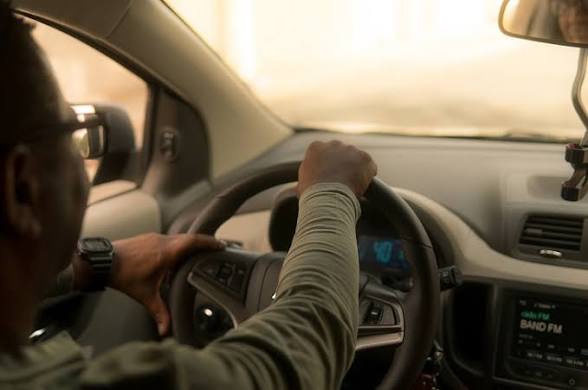
Uber has resumed accepting Visa cards for rides in Kenya, eight months after dropping the payment option over rising payment costs. The reversal comes just two days after the company shut down its operations entirely in Nigeria and Uganda on 2 September.
Riders in Kenya began seeing a prompt in the app on 4 September inviting them to add a Visa card. Visa now appears alongside Mastercard, M-Pesa, Airtel Money and PayPal as accepted payment methods. Uber had removed Visa as a payment method in Kenya in January, citing rising global payment costs, and has not said what changed to bring it back.
The makeup of that payment list reflects Kenya's own payment landscape, where mobile money — led by Safaricom's M-Pesa — is used far more widely than cards for everyday transactions, making card acceptance a comparatively narrow but notable slice of the rider base.
Why Uber dropped Visa in the first place
An Uber spokesperson told reporters in January that the company "regularly reviews payment methods on a market-by-market basis" to manage costs. Card transactions typically cost merchants between 1.5% and 3.5% per payment, split between the issuing bank, the card network and the payment processor.
The January change affected only Visa in Kenya; Mastercard, PayPal, M-Pesa, Airtel Money and cash continued working throughout. Visa said at the time it was working with the e-hailing company to resolve the block, though neither company gave a timeline. Ahead of the reinstatement, Uber has not disclosed whether Visa's processing fees changed, or whether transactions are now routed through a different processor.
Uber's week of opposite moves
The Kenya reversal sits against a very different decision two days earlier. Uber closed its ride-hailing operations in Nigeria and Uganda on 2 September, saying the decision was limited to those two markets and would not affect operations elsewhere on the continent.
The company has not publicly linked the Kenya and Nigeria/Uganda decisions. Both moves come as Uber pursues a broader global restructuring that will cut about 3,300 corporate jobs, roughly 10% of its workforce, its largest round of cuts since the Covid-19 pandemic.
Chief executive Dara Khosrowshahi also revealed that the restructuring is aimed at reducing management layers and simplifying team structures, alongside plans to shrink fully remote roles to about 1% of its workforce globally.
The exits leave riders in Nigeria and Uganda to turn to rivals such as Bolt, which operates ride-hailing services in both markets, while Kenya — where Uber continues to operate alongside competitors — regains a card option rather than losing service.
For Nigerian riders and drivers affected by the 2 September shutdown, Uber has not indicated whether any of the cost-management changes seen in Kenya — including the Visa reinstatement — factored into its decision to leave the Nigerian market altogether.
Source: TechNext24
