Tyson Foods to Close Two Facilities and Sell Another Amid Historic U.S. Cattle Shortage
Key Takeaways
- •Tyson Foods will close its beef plant in Joslin, Illinois and its case-ready facility in Eagle Mountain, Utah, while pursuing the sale of its Pasco, Washington beef plant.
- •The company will consolidate its beef operations around three facilities located in Dakota City, Nebraska; Holcomb, Kansas; and Amarillo, Texas, all situated in the High Plains region near dominant cattle supplies.
- •The restructuring responds to the smallest U.S. cattle herd in decades, caused by drought conditions, high input costs, and limited heifer retention.
- •Tyson has reported sustained operating losses in its beef segment as processors compete for fewer cattle and pay more per head.
- •The company stated it will assist affected employees in applying for positions at other Tyson facilities.
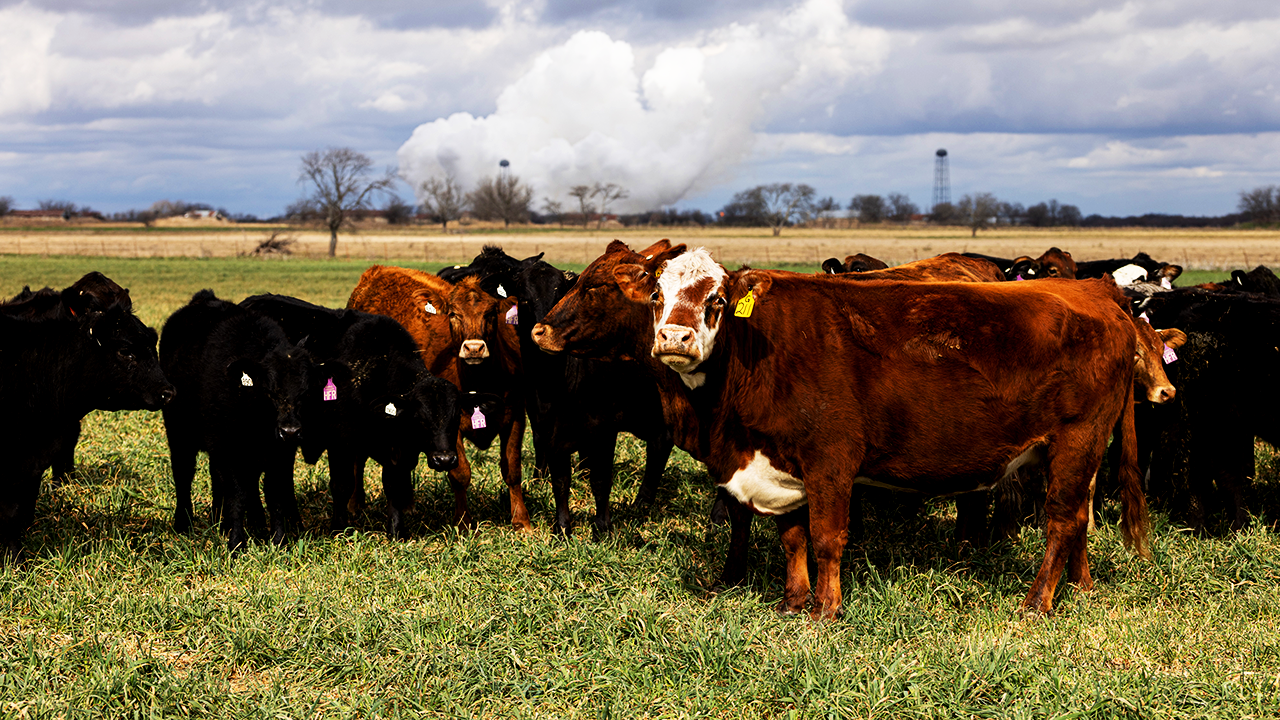
Tyson Foods announced Thursday that it will close two of its facilities and pursue the sale of a third as part of what the company described as "strategic changes" to its beef business.
The Springdale, Arkansas-based meatpacking giant will end operations at its Joslin, Illinois beef plant and its Eagle Mountain, Utah case-ready facility, according to a Tyson Foods press release. The company is also pursuing a sale of its Pasco, Washington beef facility.
Going forward, Tyson said it will consolidate its beef operations around three facilities in the central United States: Dakota City, Nebraska; Holcomb, Kansas; and Amarillo, Texas. All three are located in the High Plains region, the heart of U.S. cattle feeding country, which positions them closer to the dominant supply of fed cattle and reduces the transportation costs associated with shipping live cattle to more geographically remote plants.
"Tyson Foods will anchor its beef business around three strategically located beef facilities in the central United States — Dakota City, Nebraska; Holcomb, Kansas and Amarillo, Texas — to create a more competitive footprint amidst one of the most historic cattle shortages the country has ever experienced," the company stated.
The decision comes as the U.S. cattle herd has contracted to its smallest size in decades. Drought conditions across key cattle-producing states, high input costs, and limited heifer retention have all contributed to tightening cattle supplies, which in turn have driven U.S. beef prices to record levels. The shortage has squeezed margins across the beef packing sector, as processors compete for fewer available cattle while paying more per head. Tyson, one of the nation's largest beef processors alongside JBS, Cargill, and National Beef, has reported sustained operating losses in its beef segment amid the persistent supply contraction.
"Recent USDA cattle inventory data, which included continued evidence of limited heifer retention, indicates these supply constraints are likely to persist, requiring strategic action," Tyson Foods said.
The closures will reduce Tyson's daily beef slaughter capacity, tightening the company's footprint at a time when cattle availability is already insufficient to keep existing plants running at full utilization. Industry analysts have watched capacity utilization rates decline across the sector as processors struggle to source enough cattle to keep plants operating efficiently.
The company said it will assist affected employees in applying for positions at other Tyson facilities.
Source: Fox Business

