Former Trump White House Lawyer Ty Cobb Calls President 'Pure Evil' and 'Out for Himself'
Key Takeaways
- •Ty Cobb, White House special counsel from 2017 to 2018, called Trump 'purely evil and out for himself' and a 'functional crime boss' in an interview with Jim Acosta.
- •Cobb characterized Chief Justice Roberts's opinion on Trump's White House ballroom project as a line in the sand against lawlessness, noting Roberts also authored rulings on tariffs, birthright citizenship, and the Federal Reserve.
- •The Supreme Court decision ultimately allowed Trump to proceed with the ballroom while bypassing standard funding and approval rules, and Cobb agreed the National Trust for Historic Preservation lacked standing to block it.
- •Cobb argued Congress has been neutered by cowardice and party loyalty, accusing Speaker Mike Johnson of shutting down Congress for two months to avoid a vote on releasing the Epstein files.
- •Cobb said the United States is now tied with Colombia, at 90 percent, in the share of people who suspect their federal government is corrupt.
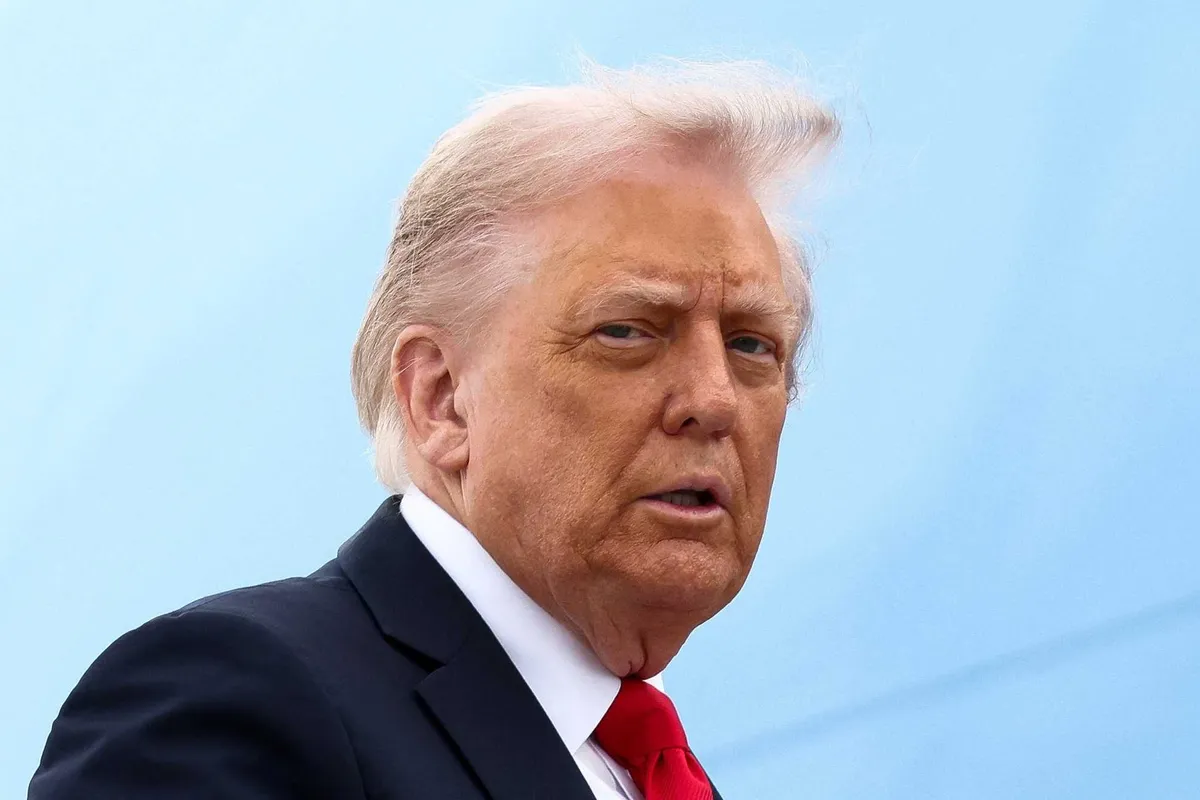
Ty Cobb, former Assistant U.S. Attorney for the District of Maryland and a member of President Donald Trump's first administration legal team, says he speaks with some familiarity when describing his old employer — and his assessment is anything but flattering. Cobb served as special counsel to the White House from 2017 to 2018, managing the administration's response to Special Counsel Robert Mueller's Russia investigation, before leaving the post and becoming an increasingly vocal critic of the president he once represented.
Speaking with news journalist and podcaster Jim Acosta on Friday (Jim Acosta's podcast), Cobb had plenty to say about Trump's character, and about how badly that character is straining a U.S. government system never designed to handle an overtly corrupt leader.
Supreme Court Chief Justice John Roberts recently sided with the court's progressives in calling Trump's plan to build a ballroom "probably illegal." The dispute centered on Trump's proposal to construct a new ballroom on the White House grounds — a project he has said he would finance initially and then have reimbursed by taxpayers — and the National Trust for Historic Preservation's challenge to it. While Cobb largely agreed that the National Trust lacked standing in its attempt to block Trump from building the controversial ballroom and charging taxpayers for its construction, he understood why Roberts was likely concerned about the state of the rule of law and "the level of corruption that we see in the White House."
"The chief justice's opinion … [is] basically a line in the sand," Cobb said of the decision, which ultimately allowed Trump to proceed with the ballroom while sidestepping the usual rules for funding and approval. "He could have easily kept his powder dry, but he basically made it clear this was lawless. Keep in mind this is the chief justice who wrote the tariffs opinion. He wrote the birthright citizenship opinion. He wrote the opinion protecting the Federal Reserve. And he wrote this opinion. I mean, he's made it very plain that … he perceives Trump as the existential threat that he is."
Cobb's framing underscores a broader dynamic of the second Trump term: a series of high-profile Supreme Court rulings this year, several authored or joined by Roberts, that have trimmed executive power across areas including tariffs, birthright citizenship, and the Federal Reserve — even as the court has at times declined to block the underlying policies outright.
At the same time, Cobb noted that Roberts was obligated to apply the Constitution, which clearly grants the White House extraordinary Article II powers.
"They were intended to be extraordinary because the presidency was intended to be occupied by extraordinary people," Cobb added. "The George Washingtons, the FDRs, the Teddy Roosevelts, the Obamas."
"Not a scumbag," Acosta interjected.
"Yeah. I mean, not somebody who was just purely evil and out for himself," Cobb agreed.
Cobb went on to argue that the Supreme Court would not be so burdened if the Republican-controlled Congress were not beholden to party over country. His critique reflects a recurring constitutional debate about checks and balances: the founders vested Congress with oversight authority precisely to constrain the executive, but Cobb argued that party loyalty has effectively neutralized that check.
"We have a Congress that has been neutered by its cowardice," Cobb said. "You've got Little Mikey Johnson (Speaker Mike Johnson) who shut down Congress for two months merely to avoid a vote on the release of the Epstein files in connection with the last piece of Epstein legislation. … So, the fact that Congress exists only to facilitate Trump's whims at this stage of the game is not something that the founders could have ever anticipated. And they also never anticipated that the presidency would be occupied by somebody as evil as Trump, somebody who is a functional crime boss."
Cobb added that the United States is now "tied with Columbia" in the percentage of people who suspect the federal government is corrupt — 90 percent.
