Starbucks Korea Loses Card Spending Lead for Third Straight Month Amid 'Tank Day' Fallout
Key Takeaways
- •A Twosome Place surpassed Starbucks Korea in monthly card sales for three consecutive months beginning in May, posting approximately 117 billion won in July compared to Starbucks' 110 billion won.
- •Starbucks Korea's decline traces to a May tumbler promotion called "Tank Day" that drew public backlash for its resemblance to language tied to the 1980 Gwangju Democratic Uprising and the 1987 death of activist Park Jong-chol.
- •Shinsegae Group Chairman Chung Yong-jin issued a public apology on May 26 and subsequently mandated Korean history and social awareness training for Starbucks Korea employees and E-mart affiliates.
- •Budget chain Mega MGC Coffee recorded 98.2 billion won in July card sales and topped the Korea Corporate Reputation Research Institute's July brand reputation index.
- •Over the cumulative three-month period from May through July, A Twosome Place generated nearly 30 billion won more in card sales than Starbucks Korea.
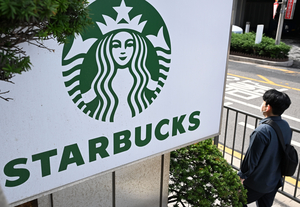
Rival coffee chains are eroding Starbucks Korea's long-standing dominance in the payment data fallout from its "Tank Day" controversy, as A Twosome Place has now surpassed Starbucks in monthly card sales for three consecutive months.
According to IGAWorks' Mobile Index, A Twosome Place recorded an estimated 117 billion won ($82 million) in card sales in July, approximately 7 billion won ahead of Starbucks' 110 billion won. A Twosome Place has outsold Starbucks every month since May, claiming the top position for the first time in three years of tracked monthly data. Over that cumulative period, A Twosome Place reached 361.4 billion won compared to Starbucks' 331.6 billion won — a gap of nearly 30 billion won.
Mega MGC Coffee, South Korea's largest budget coffee chain, posted 98.2 billion won in July, approaching the 100 billion won threshold. The brand also led the Korea Corporate Reputation Research Institute's July brand reputation index, with A Twosome Place closely behind. South Korea's coffee shop market is one of the most saturated and competitive in Asia, with budget chains expanding rapidly in recent years by offering espresso-based drinks at roughly half the price of premium brands.
Starbucks Korea's decline traces back to May, when a tumbler promotion centered on the phrase "Tank Day" drew public backlash for its resemblance to language associated with the 1980 Gwangju Democratic Uprising — a defining episode in South Korea's pro-democracy history in which military forces violently suppressed citizens — and the death of student activist Park Jong-chol under torture in 1987. Both events remain deeply sensitive in Korean public memory. Weekly card sales and new app downloads both declined in the aftermath.
Shinsegae Group Chairman Chung Yong-jin issued a public apology on May 26, taking personal responsibility for the promotion and pledging a comprehensive overhaul of the group's internal risk management systems. The following month, Shinsegae implemented mandatory training on Korean history and social awareness for Starbucks Korea employees and E-mart affiliates, with Chung himself participating.
Although Starbucks' sales rebounded 9.6 percent from June to July, industry officials note that A Twosome Place and budget chains had already been gaining traction before the controversy. Starbucks Korea, which opened its first store in 1999 and has since grown to the largest coffee chain in the country by store count, had not faced a sustained card-spending deficit of this duration in recent years. The damage to Starbucks' brand trust has accelerated the ongoing shift in market dynamics.
"With Starbucks' sales back on the rise, Starbucks Korea and A Twosome Place are expected to keep swapping places for a while," an industry official said. "Much of how this rivalry plays out will come down to their strategies for the rest of the year."

