Beyond the HLX: TVS Brings a Broader Mobility Technology Story to Nigeria
Key Takeaways
- •TVS sold 5.9 million two- and three-wheelers in the 2025-26 financial year, a 24 per cent increase and its highest annual volume to date.
- •Calendar-year 2025 industry data ranked TVS third globally among two-wheeler manufacturers, supported by four plants in India and Indonesia and operations in 90 countries.
- •TVS is the only two-wheeler manufacturer to have received the Deming Prize, a Japanese quality-management award established in 1951 and named after statistician W. Edwards Deming.
- •The HLX series, launched in Africa in 2013, surpassed five million cumulative global sales in June 2026 and is sold in more than 57 countries.
- •In June 2026, TVS appointed Enviable Tricycle Auto Parts Ltd as an additional authorised Nigerian distributor, adding distribution, assembly and after-sales capacity alongside Wandel International and the Simba Group.
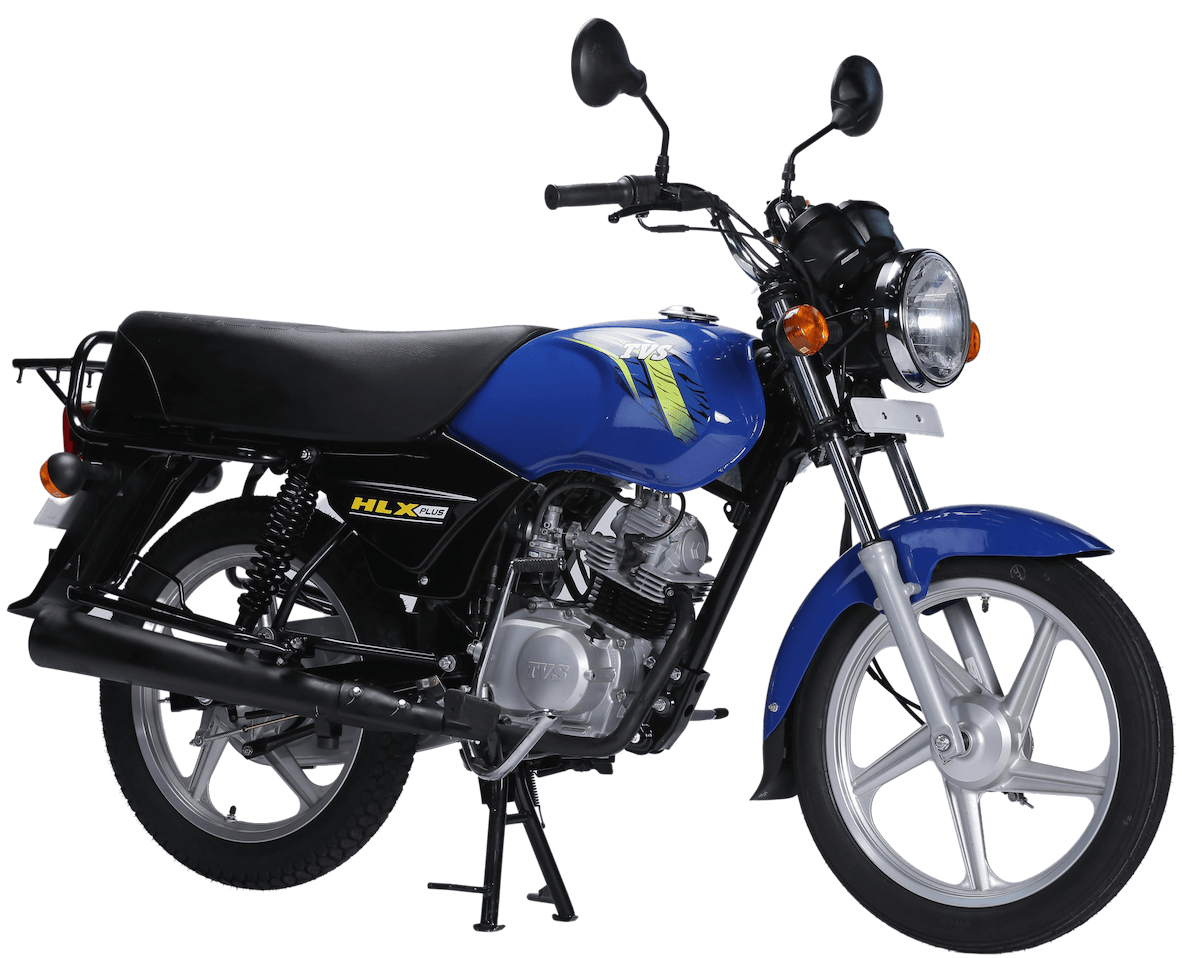
Nigerian riders know TVS chiefly through the HLX, a motorcycle built for long working days and demanding routes. That recognition is well earned, yet it captures only one slice of the company. Behind the workhorse sits a global product and engineering business that spans commuter machines, performance motorcycles, scooters, electric vehicles, and three-wheelers.
The scale is visible in the numbers. TVS recorded 5.9 million two- and three-wheeler sales in the 2025-26 financial year, an increase of 24 per cent and its highest annual volume to date. Calendar-year 2025 industry data placed the company third globally among two-wheeler manufacturers. Four plants in India and Indonesia support the business, which now operates in 90 countries.
Quality underpins the technology story. TVS is the only two-wheeler manufacturer to have received the Deming Prize for total quality management, an award that reflects how the company designs, manufactures, and keeps improving products at scale. Established in Japan in 1951 and named for the statistician W. Edwards Deming, the prize has served for decades as a reference point for company-wide quality management, which places TVS's claim in a broader manufacturing tradition rather than a single product cycle.
That scale allows TVS to build different machines for different jobs. A commuter motorcycle is engineered around repeated daily use. A performance model draws on the company's racing experience. A passenger three-wheeler and a cargo vehicle each solve distinct packaging problems. In every case, the technology shows in the fit between product and purpose. In a market like Nigeria, where motorcycles and three-wheelers often double as income-earning assets, that fit between machine and job carries direct economic weight for the owner.
The HLX demonstrates the result in the field. Launched in Africa in 2013, the series crossed five million cumulative global sales in June 2026 and is now sold in more than 57 countries. TVS attributes its acceptance to durability, dependable performance, and low maintenance costs, supported by a service and spare-parts network staffed with trained technicians.
Nigeria's current line-up already reflects a wider product architecture. It includes the HLX 125 and HLX Plus, Rockz, NEO NX and Neo AMI, the Apache RTR 200 4V, and several TVS King variants for passenger and cargo use. The models span different power, handling, and utility requirements, and they let the brand address the personal rider without abandoning the commercial user who built its local reputation.
The catalogue also sharpens the buying conversation. A customer can weigh an everyday commuter against a performance motorcycle, or a passenger vehicle against a cargo solution, without moving between unrelated brands. Shared access to authorised service and genuine parts gives that variety a common ownership base.
The Apache is central to this shift. It connects TVS to performance culture and offers enthusiasts a product they can want, rather than one they choose only because transport is difficult. Rockz and the NEO models chart another path through everyday commuting, while the King range applies the same engineering base to passenger and small-business cargo movement.
The technology relationship continues after the sale. TVS's Nigerian service portal helps owners locate dealers and service centres, check warranty policies, consult manuals, and identify genuine parts. Maintenance videos and feedback channels bring practical information closer to the customer. For a commercial fleet, that kind of innovation is measured in uptime; for a first-time owner, it is knowing where to turn when the machine needs attention.
TVS is also expanding its physical footprint. Wandel International and the Simba Group have supported the brand's assembly, distribution, and service operations. In June 2026, the company appointed Enviable Tricycle Auto Parts Ltd as an additional authorised distributor, adding further distribution, assembly, and after-sales capacity. The partnership is establishing Sales, Service and Spares facilities in key markets. For dealers and riders alike, the spread of those facilities will be the practical marker of how far the brand's broader line-up reaches beyond its commercial base.
The company also draws on lessons from electric mobility through its global scooter and e-bike businesses. Those products belong to TVS's international portfolio, while the Nigerian catalogue remains clearly defined around the models currently offered to local customers. The distinction matters: product technology creates value only when parts, technician knowledge, and ownership support arrive with it.
A broader two-wheeler market will contain different kinds of ambition. Some buyers want to spend less time in traffic. Others want a reliable business asset or the enjoyment of a performance motorcycle. TVS already fields products that speak to those motivations, backed by engineering scale that smaller single-category brands cannot easily replicate.
The HLX remains the starting point because it proves TVS can build for hard daily use. The rest of the Nigerian range shows where the brand stands today: utility beside performance, passenger mobility beside cargo, and a service system growing around all of them. That is a concrete proposition for anyone considering two wheels.

