Ex-Deputy PM Says Trump’s Canada Attacks Are About Power, Not Economics
Key Takeaways
- •Trump imposed a new 50% tariff on Canada and threatened additional sanctions tied to the country’s wildfires.
- •Chrystia Freeland said the trade conflict is “truly absurd” because the U.S. and Canada have a strong and mutually beneficial trading relationship.
- •Freeland argued that Trump’s actions are meant to show who is dominant and who must submit, rather than address specific economic issues.
- •She noted that U.S.-Canada commerce is governed by the United States-Mexico-Canada Agreement, which Trump previously praised as the “best trade deal ever.”
- •Freeland said the dispute could determine whether Canada remains a treaty-based partner or becomes subject to Washington’s unilateral control.
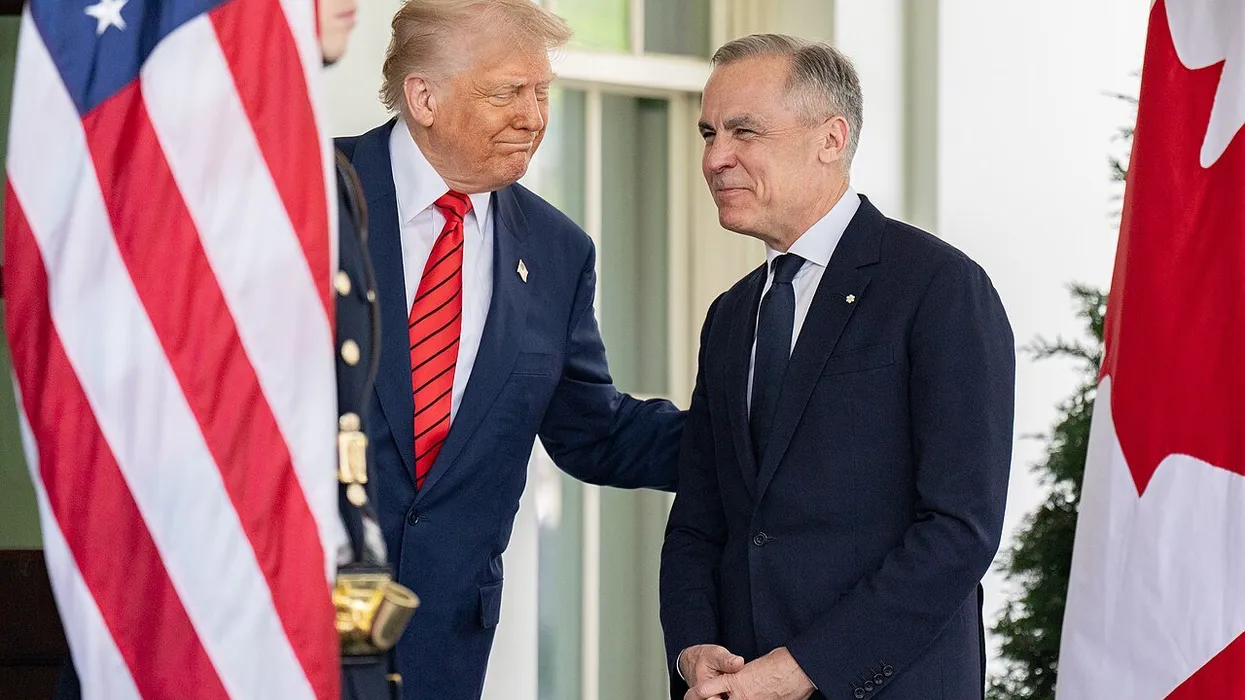
President Donald Trump’s efforts to wage a trade war with Canada are “irrational,” but, as a former deputy prime minister explained in a New York Times opinion piece, there may be a deeper motive behind the attacks than economics alone.
Although Canada has been one of the United States’ closest allies for centuries, Trump has remained highly antagonistic toward the country since returning to the White House. He has repeatedly threatened tariffs and has at times suggested that Canada should be annexed as a new state. Most recently, he imposed a new 50 percent tariff on Canada in response to what he described as discrimination against American imports, while also threatening additional sanctions over the country’s recent rash of wildfires.
Chrystia Freeland, who served as Canada’s deputy prime minister from 2019 to 2024 under Justin Trudeau, published an op-ed in The New York Times on Tuesday. In it, she said that blaming Canada for a long list of problems, as Trump has done, “used to be such a fantastical idea that it was a joke,” comparing it to a well-known gag from the long-running television series South Park. She also called the effort to begin a trade war with Canada “truly absurd” for the United States, given that the trade relationship with its northern neighbor is “very strong, and mutually beneficial.”
“The Trump White House knows that, because commerce between the two countries is governed by a trade agreement negotiated during the first Trump administration and lauded by the president himself as ‘the best trade deal ever,’” Freeland wrote. “Even politicians who were lifelong critics of free trade and opponents of Mr. Trump’s backed the United States-Mexico-Canada Agreement.”
Freeland argued that beneath the bluster, Trump’s attacks on Canada have “a clear purpose: to demonstrate who is dominant and who must submit.” In practical terms, her point is that the dispute is unfolding against the backdrop of an already integrated North American trading relationship, which gives the president’s shifting justifications broader significance for businesses and policymakers watching for how far the confrontation can go without disrupting existing rules.
“As a U.S. counterpart told me during the U.S.M.C.A. negotiations in 2018, we are 10 times bigger than you, so we should get our way 10 times more than you do,” she wrote. “The laughably flimsy, constantly changing justifications for the president’s tariffs are in fact part of the point. True power is being able to do whatever you like for whatever reason you like, or for no reason at all ... You don’t need to have attended meetings in the Oval Office or have a degree in international relations to see that this is what is going on. The president has been his usual, utterly transparent self.”
She added later: “In other words, this isn’t about wine sales or how Canada manages its forests or reviving U.S. manufacturing. It’s about whether Canada is prepared to accept a profound change in its relationship with the United States. It’s about whether Canada is willing to go from being an ally and a partner, in a relationship governed by treaties and rules, to being a vassal, subject to Washington fiat — like the Venezuela of Delcy Rodríguez, only with snowdrifts and hockey.”

