Trump Faces 'Effective End' of Presidency as His Political 'Superpower' Fades, Salon Columnist Warns
Key Takeaways
- •Journalist Brian Karem warned in Salon that major Republican losses in the midterm elections could mark the 'effective end of' President Trump's presidency, even though his term runs until January 2029.
- •A Democratic takeover of either chamber of Congress would narrow Trump's room to advance legislation while granting Democrats authority to investigate his administration, which party lawmakers have already pledged to pursue.
- •Trump launched an intensive campaign push in October with rallies in Texas and Oklahoma, telling supporters to 'pretend I'm running' as though his own name were on the ballot.
- •Trump's approval on the economy has hit a new low as voters voice frustration over grocery bills, housing costs, and other everyday expenses.
- •Trump's early campaign stops were in deeply Republican territory, and whether he ventures into competitive districts that will decide congressional control remains a key question before November.
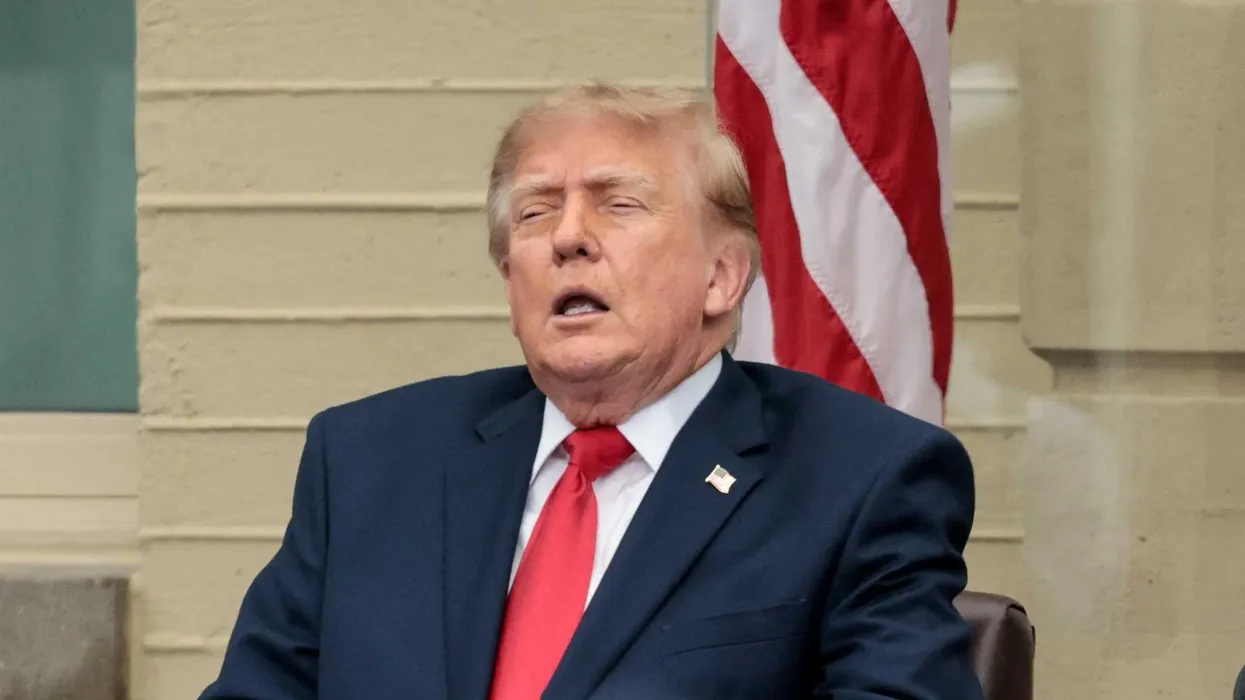
President Donald Trump has repeatedly survived political crises that once appeared poised to end his career. Now, with Republicans confronting a difficult midterm election and voters growing increasingly dissatisfied with the economy, the political instinct that has consistently allowed Trump to avert disaster appears to be weakening.
Midterm elections fall halfway through a president's term and place every seat in the 435-member House of Representatives, along with roughly one-third of the Senate, on the ballot. Historically, the party holding the White House has usually lost ground in these contests, which is part of why November's results carry such weight for the remainder of a presidential agenda.
Writing for Salon on Friday, journalist Brian Karem argued that Trump's greatest political skill has always been his capacity to press forward after a defeat. But he cautioned that another major setback for the Republican Party — such as substantial losses in the midterm elections — could bring about the "effective end of his presidency."
That does not mean Trump would leave office. His term runs until January 2029 — or, as Karem put it, "if he lasts that long." But a Democratic takeover of either chamber of Congress would leave Trump with less room to advance his legislative agenda while handing Democrats greater authority to investigate his administration, something party lawmakers have already pledged to pursue.
The warning arrives as Trump returns to the campaign trail. Launching an intensive campaign push in October, he traveled to Texas and Oklahoma, urging Republican voters to treat the midterms as though his own name were on the ballot. At one rally, he asked supporters to "pretend I'm running."
For a president whose political identity has always rested on refusing to stay down, the moment is familiar territory. Trump has previously weathered two impeachments, a loss in the 2020 election, criminal investigations, and criminal convictions before returning to the White House in a historic comeback.
Karem described Trump as something of a "one-trick pony," but acknowledged that the trick has worked remarkably well: keep fighting, keep talking, and transform every defeat into the launch point of the next battle. "Every failure is fuel for the next fiasco," Karem wrote.
This time, however, Trump faces the challenge with his party contending with persistent voter frustration over the cost of living and rising internal anxiety about November. With Trump's approval on the economy hitting a new low, Republican candidates have been forced to defend the party's record as voters lash out over grocery bills, housing costs, and other everyday expenses.
In response, Trump has assembled an campaign schedule featuring a series of rallies through October. Yet his early stops took him to deeply Republican territory, even as GOP candidates battle for competitive seats elsewhere. Where he chooses to campaign in the closing stretch — and whether he ventures into the contested districts and states that will decide control of Congress — will be one of the clearest things to watch between now and November.
Karem sees a president who is still fighting but may no longer command the same power to shape the political conversation around him. Even if Democrats post major gains in November, Trump would still have more than two years remaining in office. Those final two years, however, could look markedly different, since a Democratic-controlled Congress would be positioned to block legislation, issue subpoenas, and launch investigations into his administration.
"What comes after that could be chaos," Karem wrote.

