Trump to Meet Zelenskyy and Netanyahu as Ukraine Aid, Iran Tensions, and Middle East Diplomacy Take Center Stage
Key Takeaways
- •Trump's meeting with Zelenskyy is expected to prioritize Ukraine's requests for additional Patriot air defense systems and a potential U.S.-made drone agreement amid ongoing conflict with Russia.
- •The Netanyahu meeting is anticipated to address Iran-related tensions, Lebanon's security situation involving Hezbollah, and the potential expansion of the Abraham Accords to additional Arab nations.
- •Oil markets are particularly sensitive to the meetings, as Iran-related developments could affect the Strait of Hormuz, through which approximately one-fifth of global daily oil supply passes.
- •Defense sector stocks may experience increased investor activity depending on the scope of any announced U.S. military cooperation agreements with Ukraine or Israel.
- •Because Trump is an active presidential candidate, markets may interpret any policy positions expressed during the meetings as signals about potential future U.S. foreign policy directions.
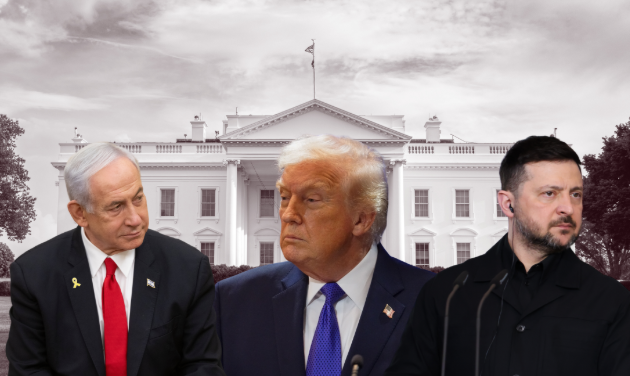
Former President Donald Trump is scheduled to hold separate meetings with Ukrainian President Volodymyr Zelenskyy and Israeli Prime Minister Benjamin Netanyahu, bringing two major international conflicts and related geopolitical issues to the forefront of global attention during an active U.S. presidential election cycle.
The meetings come at a time when investors, governments, and financial markets are closely watching for potential policy announcements that could affect energy markets, defense companies, precious metals, and digital assets. According to information circulating in financial and political communities, including updates highlighted by the Coin Bureau account on X, the discussions are expected to focus on Ukraine's military needs, Middle East security, Iran, Lebanon, and broader diplomatic efforts.
The outcome of these meetings could carry significant implications well beyond foreign policy. Markets frequently react quickly to geopolitical developments—particularly those involving major military conflicts, energy-producing regions, or potential shifts in international alliances. Any announcement related to military assistance, sanctions, diplomacy, or regional stability could influence the prices of oil, gold, defense stocks, and cryptocurrencies.
The Zelenskyy Meeting: Air Defense and Drone Cooperation
Trump's meeting with Zelenskyy is expected to center heavily on Ukraine's ongoing security concerns and future cooperation with the United States. Ukraine has continued seeking additional military support as it faces sustained pressure from the ongoing conflict with Russia. The meeting takes place against a backdrop of ongoing debate within the U.S. Congress over the scale and pace of future military aid to Kyiv, with some lawmakers calling for reduced or conditioned assistance.
Among Kyiv's reported priorities are additional Patriot missile systems and a potential agreement involving U.S.-made drones.
The Patriot air defense system is considered one of the most advanced defensive weapons available to Ukraine. Designed to intercept incoming threats including aircraft and missiles, it has become a key component of Ukraine's efforts to protect critical infrastructure and major cities. Ukraine has repeatedly requested additional air defense capabilities, arguing that stronger protection is necessary to defend against continued attacks.
A potential drone agreement would represent another significant area of cooperation. Unmanned aerial systems have become increasingly important in modern warfare, providing surveillance, intelligence, and battlefield capabilities. Both Ukraine and Russia have expanded their use of drones during the conflict, making advanced drone technology a central element of military strategy.
Any announcement involving expanded U.S. defense cooperation could influence defense sector stocks. Companies involved in missile systems, aerospace technology, and military equipment could see increased investor attention depending on the details of future agreements. The defense industry has remained one of the sectors most sensitive to geopolitical developments, with shares of major defense contractors often responding to changes in government spending, international conflicts, and military procurement decisions.
The Netanyahu Meeting: Iran, Lebanon, and the Abraham Accords
The meeting with Netanyahu is expected to focus on a different but equally significant set of issues. The Israeli prime minister is expected to discuss Iran, Lebanon, and efforts to expand the Abraham Accords—a series of diplomatic agreements aimed at strengthening relations between Israel and several Arab nations.
Iran remains one of the most consequential geopolitical issues in the Middle East. Tensions between Israel and Iran have intensified over regional security concerns, military activities, and broader strategic competition. Any statements regarding Iran policy could influence energy markets, as the region plays a critical role in global oil production and transportation. The Strait of Hormuz, through which roughly one-fifth of the world's daily oil supply passes, remains a focal point of concern for energy markets whenever Iran-related tensions escalate. Oil prices are particularly sensitive to developments involving major Middle Eastern powers; concerns about supply disruptions, shipping routes, or broader military escalation can quickly create volatility in crude markets. A significant change in regional tensions could also affect global inflation expectations, since energy prices influence transportation costs, manufacturing expenses, and consumer prices.
Lebanon is also expected to be on the agenda. The country has faced significant political and economic challenges, while security concerns involving Hezbollah and regional tensions continue to attract international attention. Developments involving Lebanon could become an important factor in broader Middle East stability.
Another major topic expected during Netanyahu's meeting is the future of the Abraham Accords. The agreements, originally announced during Trump's first administration in 2020, established diplomatic relations between Israel and the United Arab Emirates and Bahrain, and were subsequently joined by Sudan and Morocco. Supporters argue that expanding the accords could strengthen economic cooperation, improve regional relationships, and create new diplomatic opportunities. Reports have periodically suggested that additional countries, including Saudi Arabia, could potentially join a broader normalization framework, though no such agreement has been finalized. A potential expansion would likely be viewed as a major foreign policy development, and markets often respond positively to signs of increased stability and cooperation, particularly in regions strategically important for global energy and trade.
Market Sensitivity to Diplomatic Outcomes
However, geopolitical uncertainty remains high. Any unexpected development from the meetings could trigger rapid market reactions.
Oil markets would likely be among the first to respond. If investors believe regional tensions are increasing, crude prices could rise due to concerns about potential supply disruptions. Conversely, signs of diplomatic progress could reduce risk premiums and ease concerns about future supply problems.
Gold could also be affected. The precious metal is widely regarded as a safe-haven asset during periods of geopolitical uncertainty. When investors become concerned about wars, political instability, or economic risks, demand for gold often increases. A major geopolitical announcement could therefore influence gold prices depending on how markets interpret the outcome.
Cryptocurrency markets may also react. Bitcoin and other digital assets have increasingly become part of broader global financial discussions. Although cryptocurrency markets are influenced by many factors, geopolitical uncertainty can affect investor sentiment and risk appetite. During periods of market stress, some investors view Bitcoin as an alternative asset, while others treat it as a risk-sensitive investment. The reaction could depend on whether the meetings produce signs of escalation or diplomatic progress.
Broader Implications
The significance of Trump's meetings extends beyond immediate policy discussions. They come at a time when global alliances, security relationships, and economic strategies are undergoing major changes. The United States remains deeply involved in discussions surrounding both European security and Middle Eastern stability, and decisions made during high-level diplomatic meetings can have consequences that extend across financial markets. Because Trump is currently a presidential candidate, any policy positions articulated during these meetings may also be interpreted by markets as signals about potential future U.S. foreign policy directions.
Investors often monitor geopolitical events because they can affect government spending, commodity prices, corporate earnings, and economic expectations. Defense companies may benefit from increased military spending, while energy companies may see changes based on oil market movements. Technology companies involved in defense systems, artificial intelligence, and security infrastructure could also be influenced by government policy developments.
The meetings also underscore the growing connection between politics and financial markets. In previous decades, geopolitical developments were often viewed separately from investment decisions. Today, global markets react almost instantly to major political announcements due to faster information flows and increased investor sensitivity. Social media has further accelerated this trend—statements from political leaders can quickly reach millions of people, influencing market expectations within minutes.
For Ukraine, the meeting with Trump could represent an important moment in discussions about future U.S. support. The country continues seeking international assistance as it manages military and economic challenges caused by the conflict. For Israel, discussions with Trump could shape future approaches toward Iran, regional partnerships, and diplomatic expansion. Both meetings demonstrate the continuing influence of U.S. foreign policy decisions on global affairs.
The potential outcomes remain uncertain. Diplomatic meetings can produce agreements, but they can also reveal disagreements or create new questions about future policy directions. Markets will likely focus not only on what leaders say but also on specific commitments, agreements, and policy announcements.
A major breakthrough could reduce uncertainty and support risk assets. A more aggressive stance on military or geopolitical issues could increase demand for safe-haven assets and energy-related investments. As geopolitical risks remain elevated, financial markets are likely to continue reacting quickly to developments from Washington and international diplomatic efforts.
Source: X post
Original source: hokanews.com

