Trump 'won't do' the one thing that could spare the GOP from voters' midterm wrath, analyst says
Key Takeaways
- •Political commentator David Drucker said during a Friday panel appearance that President Trump could spare Republicans some voter anger acknowledging economic frustration, but argued he "won't do" that step.
- •Drucker said widespread mail-in and absentee voting has effectively made October election month, leaving Republicans little time to persuade voters before Election Day.
- •He cited polling from the past 18 months showing voters have stopped giving Trump time to curb inflation and bring down the cost of living.
- •Panel host Erielle Reshef compared Trump's challenge to the dynamic widely credited with hurting Joe Biden's presidency, in which favorable official economic indicators conflict with voters' pessimistic personal finances.
- •According to Drucker, Trump's distinguishing problem is dismissing public economic anxiety as fake, which has led voters to believe he is neither focused on nor concerned about living costs.
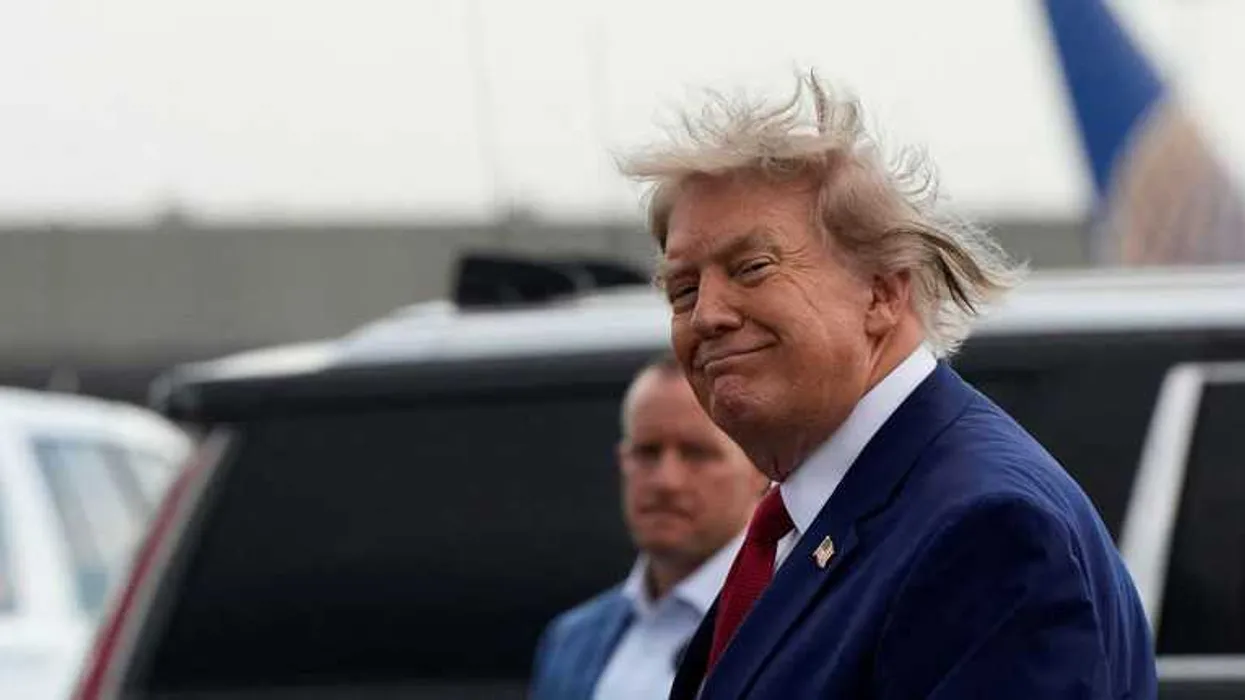
With the midterm elections widely expected to deliver a stinging rebuke to the Republican Party, one political commentator argues that President Donald Trump could still take a step that might spare the party some of the voters' anger — but that it is exactly the step he "won't do."
The stakes are structural: midterm elections help determine control of Congress for the final two years of a president's term, and they have historically tended to favor the party out of power — which is why how the White House handles an economy many voters say they are not feeling carries added weight this cycle.
David Drucker, a longtime political commentator who works as a contributing writer for The Dispatch and a contributor for MS NOW, made the argument during a Friday panel appearance on the network. The discussion centered on a lackluster new jobs report and whether Republicans still have enough time to change voters' minds before Election Day. Pressed on what options remained for the party, Drucker saw few.
"I don't know, make a wish and a fountain?" he said. "I mean, there's just not much you can do a month out from the elections. I mean, look, even 34 years ago we could at least talk about election day being a month out. But really, October is election month because you have so much mail-in voting and absentee voting ... And whenever the party in the White House is under fire because of the economy, they're going to make the case that they simply need more time, and that the last thing voters want to do is put [those] people back in charge..."
His calendar point underscores how modern election timing compresses any room for recovery: with mail-in and absentee voting already underway the stretch for persuading voters effectively narrows well before Election Day itself.
Drucker added that the polling trend points to an even deeper problem.
"But you know what we're seeing with these numbers, and I think this is key here, is that if you look at polling over the course of the last 18 months, voters did give President Trump some time to get the economy in order the way they wanted him to, to arrest inflation, bring down the cost of living, broadly speaking, and everything that goes along with that," Drucker said. "And they simply are done giving him time. And so I don't know what Republicans do to deal with this."
Later in the segment, host Erielle Reshef suggested to the panel that Trump is confronting a dynamic similar to the one widely credited with helping sink Joe Biden's presidency: a White House touting favorable economic indicators as proof of strength while voters continue to feel pessimistic about their own finances.
Drucker replied that this messaging strategy is a standard playbook for presidents under pressure, but that Trump is missing a key element that typically helps it land.
"It's the same thing that hurts every president in every election where he's under fire, where his party's under fire," Drucker explained. "But it's hurting President Trump, more so because of his particular stubbornness. And I think we need to, like, separate out two things here. So any president is going to try and make the case that things may not appear as good as you'd like them to be, but they're actually a lot better than you think, and 'let me explain to you everything that's happening either beneath the surface or above the surface that I'm not sure you're aware of,' so that they can make a positive case for their agenda."
"What separates Trump is that he won't do what presidents usually do, which is give a little hat tip to the fact that voters aren't happy and they're not feeling it enough, or they're not feeling it at all," he added.
In Drucker's assessment, the president has instead chosen to dismiss the public's economic anxiety outright.
"What this president has done is simply say that people aren't feeling what they're actually feeling, and it's all fake," he said. "And we've seen in polling and data and in my conversations with voters going back a year, that one of the problems the president has, one of the big problems, is not just that they don't think his agenda is working, that the cost of living isn't going down, because they don't think he's focused on it. They don't think he cares about it."
With ballots already being cast, what remains to be seen is whether the voter sentiment Drucker describes — doubts about both the agenda's results and the president's focus on living costs — shifts at all in the weeks before the votes are counted, or whether the window he outlined has in practical terms already closed.

