Trump Withholds Reelection Endorsement from Senate Majority Leader Thune, Drawing Sarcastic Rebuke
Key Takeaways
- •President Trump publicly declined to endorse Senate Majority Leader John Thune for reelection, an unusual break from typical intra-party behavior.
- •Senate Republicans are divided over whether to cut short their five-week recess, a move that would pull vulnerable incumbents off the campaign trail ahead of the midterms.
- •Trump and his allies are pushing for a Senate vote on a $95 billion House-drafted budget proposal to cover Iran war costs, despite Thune warning it lacks the 50 Republican votes needed to advance.
- •Tensions between Trump and Thune have been exacerbated by the Majority Leader's refusal to prioritize Trump's SAVE America Act, a voting-related bill that Thune acknowledged as early as February 2026 did not have sufficient support to pass.
- •The budget standoff illustrates the practical limits of a Senate Majority Leader's authority, as Thune can set the floor schedule but cannot compel members to vote for legislation lacking conference-wide backing.
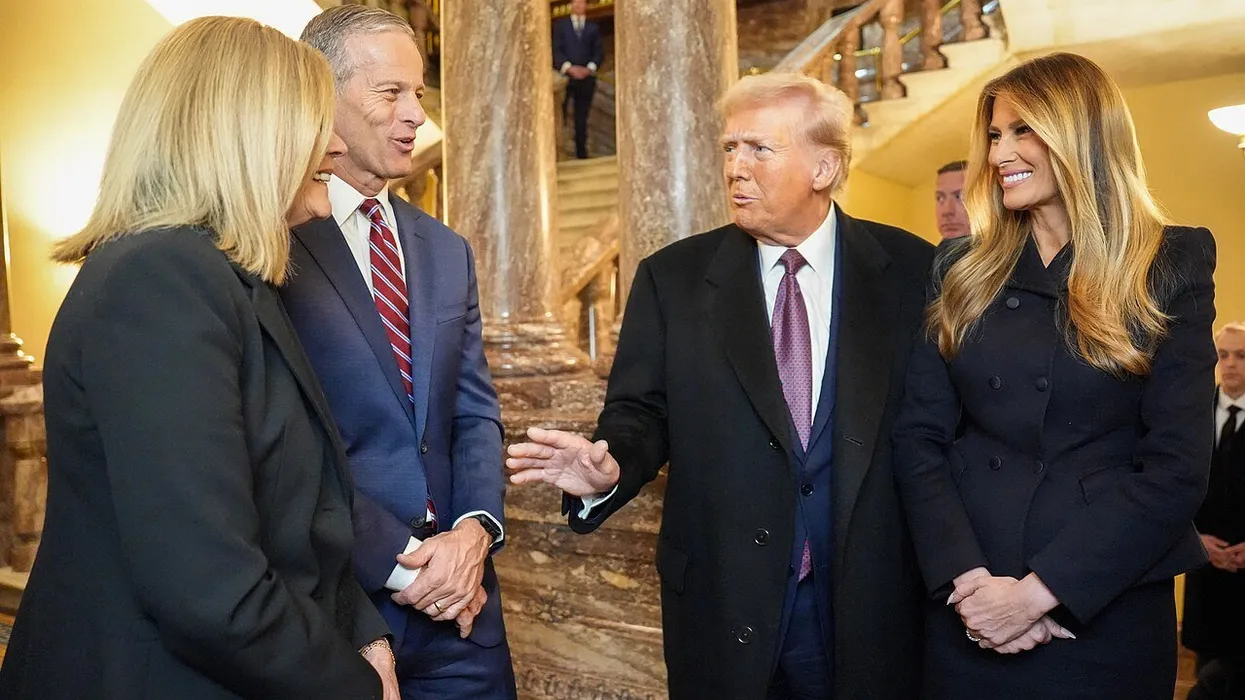
President Donald Trump's refusal to work cooperatively with the Senate has led many observers to describe the situation as a "circular firing squad." The latest fracture emerged when Trump declined to endorse Senate Majority Leader John Thune (R-S.D.) for reelection — drawing a sharp, sarcastic response from Thune himself.
"Alright," Thune said when confronted about Trump's refusal, according to Punchbowl News. "Well, that's nice of him. I GUESS. I don't know what do you say on that. That's a decision that's made by my colleagues!"
Thune's remark underscored the unusual nature of the dynamic: a president publicly withholding support from his own party's Senate leader, whose role includes managing the chamber's legislative calendar and acting as a key liaison between the White House and Capitol Hill. Endorsements in such races are typically pro forma within a party, making the public snub a notable departure from standard intra-party behavior.
Earlier on Wednesday, The Hill reported that Senate Republicans remain divided over how to manage their increasingly unpredictable president.
"GOP senators are divided over whether to cut short the five-week break, which would take vulnerable Republican incumbent Sens. Susan Collins (Maine), Jon Husted (Ohio) and Dan Sullivan (Alaska) away from the campaign trail," The Hill wrote. "They're also at odds over whether to dive into what Senate Majority Leader John Thune (R-S.D.) warned would be a 'risky' attempt to pass a budget package that contains billions of dollars for an unpopular foreign conflict, as well as funding for farmers and election-related reforms."
The report added: "Looming over it all are the fast-approaching midterms and festering frustration among some Republicans about the curveballs being thrown by the president. Trump and his allies are pushing hard for the Senate to vote as soon as next week on a budget resolution to unlock the process to advance a $95 billion proposal drafted by the House to help cover the costs of the Iran war — even though Thune warned last week that such a proposal doesn't have 50 Republican votes to advance in the Senate."
The budget standoff reflects the practical limits of a Senate majority leader's power: while Thune sets the floor schedule, he cannot force members to vote for legislation that lacks support within his own conference, and budget reconciliation measures require near-unified party backing to clear the 50-vote threshold.
Tensions between Trump and Thune stem partly from the Senate Majority Leader's refusal to prioritize Trump's SAVE America Act, a voting-related bill. Thune acknowledged as far back as February 2026 that the legislation lacks sufficient support to pass the Senate.

