Trump lawyers saying 'very different things' than the president on press ban: legal analyst
Key Takeaways
- •The Justice Department filed a brief arguing Trump's ban on MS NOW, CNN, and Politico was justified on national security grounds and the outlets' publication of classified information.
- •CNN legal analyst Elie Honig said the national security rationale contradicts Trump's repeated public statements attributing the ban to negative or unfavorable coverage.
- •Legal experts from across the political spectrum, including Jonathan Turley and Andrew Weissmann, agree American law does not allow press outlets to be selectively barred from the White House for viewpoint reasons.
- •The outlets argue their due process rights were violated because they received no notice of the ban and no chance to contest it before losing access.
- •Trump's lawyers have proposed 'post-deprivation process,' offering procedural protections only after access was revoked, which Honig described as contrary to how due process is meant to function.
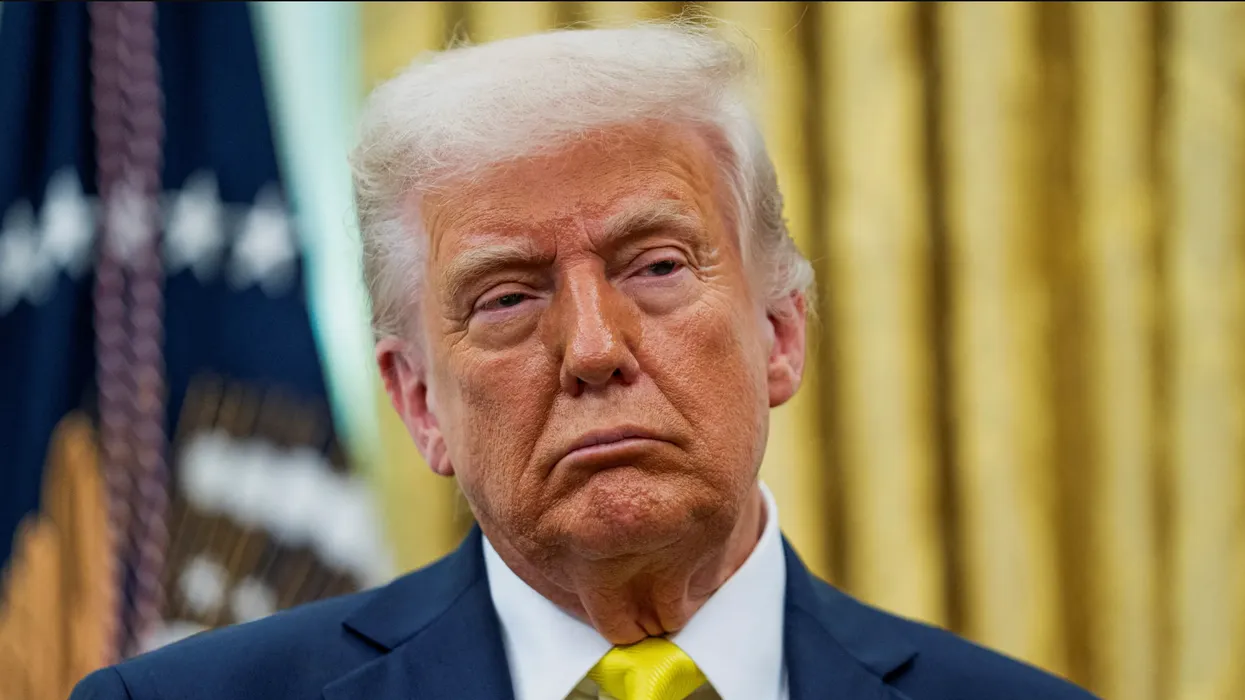
President Donald Trump's ban on several major news outlets from the White House is already running into choppy legal waters in court, with a prominent CNN legal analyst explaining why the president and his lawyers have begun saying "very different things."
On Tuesday night, the Justice Department submitted a new filing in the lawsuit brought against the administration by MS NOW, CNN and Politico after Trump barred the outlets from entering the White House. In it, the agency attempted to argue that the ban was done, among other reasons, for national security purposes. Trump and his officials have frequently cited "national security" as a justification for his desired projects, including the ballroom and the D.C. arch, with some critics saying he treats the phrase like "magic words" that help him get his way.
"The President determined that Plaintiffs have failed to maintain minimum professional journalistic standards by publishing classified and national security information," the DOJ filing read.
Reacting to this development during a Wednesday appearance on CNN, legal expert Elie Honig explained that these attempted justifications are unlikely to hold up in court, given how often Trump has said the quiet part out loud. The case carries broad stakes for how much control a president can exercise over which news organizations are allowed inside the White House, an area where courts weighing First Amendment challenges tend to scrutinize the government's stated rationale closely.
"Donald Trump's legal position has shifted dramatically overnight," Honig said. "And now we are seeing Trump's lawyers say very different things than Donald Trump and [Vice President] JD Vance and others have spent the last five or six days saying so. There are two main issues in this case. The first is the First Amendment issue... The Trump administration's position now is that the ban is because of national security concerns. The problem with that is that the president himself has said repeatedly over the last five or six days that the reason for the ban is unfavorable coverage, negative coverage, 'I don't like the tenor or the type of coverage.' Very different stories."
Legal experts across the political spectrum, from Fox News's Jonathan Turley to MS NOW's Andrew Weissmann, have made similar observations about the Trump administration's case, noting that it is firmly established in American law that press outlets cannot be selectively barred from the White House for viewpoint reasons. That shared assessment reflects the First Amendment's guarantees of free speech and a free press, which is why the gap between the DOJ's national security filing and the president's own public explanations now sits at the center of the dispute.
"The second issue is due process," Honig continued. "CNN, MS NOW and Politico point out that they were given no notice of the ban, no opportunity to contest it. Well, now, what Trump's lawyers are saying is we are going to give them, and I quote from the brief, 'post-deprivation process,' meaning we've taken away the due process rights first, and then we're going to give them some process that they just invented, starting now. That's sort of the antithesis of what due process is supposed to be. It's supposed to happen before you take something away. So we are now seeing a notable divide and split between what Trump has been saying publicly for the last several days and what his lawyers are now saying in their late-night brief."
With the administration's legal arguments now formally on paper, attention turns to how the court weighs the national security defense against the First Amendment and due process concerns raised by MS NOW, CNN and Politico — a question that will help define the boundaries of White House press access going forward.
Source: Alternet

