Trump's Own Statements Undermined White House Press Ban Defense, Cornell Law Professor Says
Key Takeaways
- •Trump revoked the White House "hard pass" credentials of CNN, MS NOW, and Politico on September 18, publicly stating that the organizations "constantly write or report fiction or lies."
- •In federal court, administration lawyers advanced a different justification, arguing the restrictions were meant to protect classified and sensitive national security information, which Cornell Law professor G.S. Hans said was undermined by Trump's own public statements.
- •On September 24, Judge Timothy Kelly, a Trump appointee, issued a temporary restraining order instructing the White House to reinstate the outlets' credentials while the case proceeds.
- •Kelly found the news organizations likely to succeed on their Fifth Amendment due process claim because their passes were revoked without sufficient notice or an opportunity to respond.
- •The judge found no evidence prior to the lawsuit supporting the national security rationale, and the outlets' separate First Amendment claim remains undecided as the litigation moves forward.
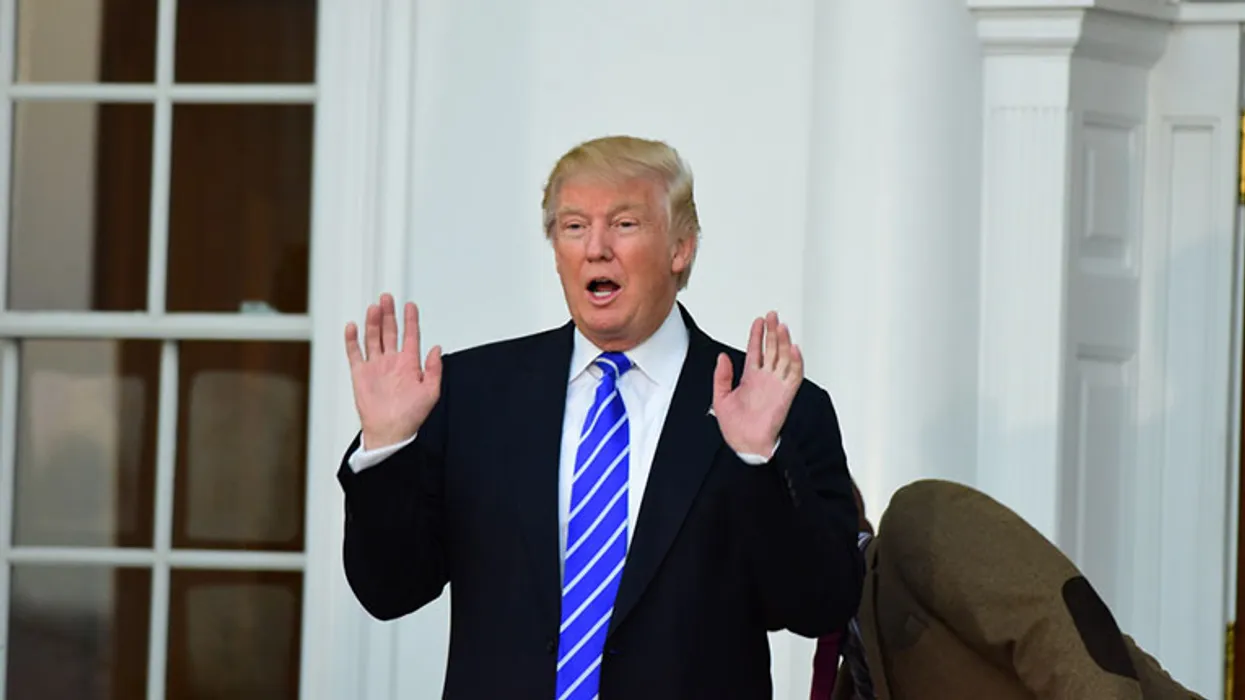
President Donald Trump complicated his own administration's legal defense of its exclusion of three major news organizations from the White House press corps by publicly stating his reasons for the ban, according to Cornell Law professor G.S. Hans.
Writing in Balls & Strikes on Thursday, Hans argued that Trump's own statements made it significantly more difficult for the administration to claim it was justified in revoking the White House press credentials of CNN, MS NOW and Politico on national security grounds. All three organizations subsequently brought legal action after their reporters' "hard pass" credentials — the passes that grant reporters routine access to the White House — were disabled following Trump's announcement on September 18.
At the time, Trump said the organizations "constantly write or report fiction or lies." When the case reached federal court, however, administration lawyers advanced a different rationale, claiming the restrictions were meant to protect classified and sensitive national security information.
On September 24, Judge Timothy Kelly, who was appointed by Trump, issued the media outlets a temporary restraining order — an interim measure that preserves the status quo while litigation proceeds — and instructed the White House to reinstate their credentials. The judge stated that the organizations were likely to succeed on their Fifth Amendment due process claim, since their passes had been taken away without sufficient notice or an opportunity to respond.
Kelly also found little evidence to back up the government's assertion regarding national security. According to the judge, no evidence had existed prior to the lawsuit to show that the revocations were based on national security concerns. Instead, he pointed out that Trump had referred to what he described as inaccurate and negative coverage when announcing the ban.
Hans, who directs Cornell Law School's Civil Rights and Civil Liberties Clinic and teaches courses on the First Amendment, said the president's public admission created a direct problem for the government's lawyers.
"Donald Trump opening his mouth to tell the truth made it impossible for his lawyers to depict the government's actions as something lawful," Hans wrote.
The professor added that the dispute also involves a separate First Amendment question. news organizations claim the White House targeted them because of the way they have reported. According to Hans, although the government does have greater control over access to a nonpublic forum such as the White House briefing room, it still cannot exclude speakers simply because officials dislike their views. How that control is balanced against reporters' procedural and expressive rights is the broader legal issue the case presents.
When he granted the temporary order, Kelly did not decide the outlets' First Amendment claim. He instead based the immediate relief on the Due Process Clause, referencing decades of precedent from the D.C. Circuit concerning White House press credentials — case law that has long required the government to give reporters notice and a chance to respond before revoking their access.
The temporary order will remain in force as the case continues. Kelly stated that the government had not put forward any statements or evidence to demonstrate that reinstating the passes would endanger national security, noting that the reporters would still be deprived of their constitutional rights if their access were kept denied during the legal proceedings. With the First Amendment claim still undecided and the national security rationale so far unsupported in the record, both remain the open questions as the litigation moves forward.

