Trump Warns of Forceful U.S. Response After Attack on American Forces in Jordan
Key Takeaways
- •The reported attack on U.S. forces in Jordan involved ballistic missiles that were intercepted before reaching their target, preventing casualties and major damage.
- •Trump said the United States would not let the attack go unanswered and suggested retaliation remained under consideration.
- •S&P 500 futures and Nasdaq futures moved into negative territory after Trump’s comments as investors reassessed geopolitical risk.
- •Markets are closely watching the Middle East because further escalation could affect oil prices, inflation expectations, and broader investor sentiment.
- •Analysts say the economic impact will depend on whether the confrontation remains limited or broadens into a wider regional conflict.
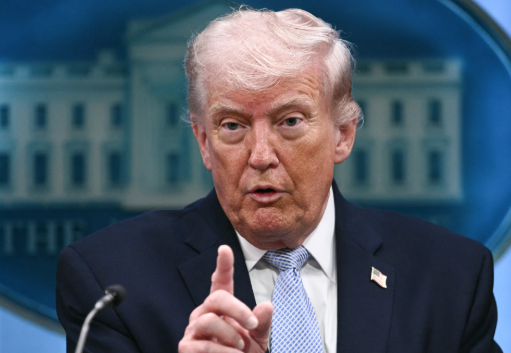
President Donald Trump warned that the United States would respond forcefully after an attack targeting American forces stationed in Jordan, signaling a possible escalation in tensions between Washington and Tehran that quickly rippled through global financial markets.
Speaking in an interview with Fox News, Trump said the United States would "hit Iran hard" following the attack and used strong language to underscore that his administration would respond decisively. His remarks came only hours after reports that Iranian missiles targeted U.S. forces in Jordan, an incident that significantly heightened geopolitical concerns across the Middle East and drew immediate attention from markets already sensitive to disruptions in energy and shipping routes.
The president's comments quickly drew investor attention, with futures tied to the S&P 500 and Nasdaq moving into negative territory shortly after the interview aired. The market reaction reflected concerns that further military escalation could affect global energy supplies, investor confidence, and broader economic stability.
The latest developments mark another chapter in an increasingly tense relationship between the United States and Iran, as both countries continue to exchange warnings amid a fragile regional security environment. Analysts say that while investors have grown accustomed to geopolitical uncertainty, direct military confrontations involving major powers often trigger immediate reactions across equity, commodity, and currency markets.
According to reports, the attack on American forces in Jordan involved ballistic missiles launched toward a U.S. military installation. U.S. officials said the missiles were intercepted before reaching their intended targets, preventing casualties and limiting physical damage. Even so, the incident represented one of the most serious direct confrontations involving U.S. personnel in recent months.
During the interview, Trump said Washington would not allow such attacks to go unanswered. While he did not immediately announce specific military operations, his remarks indicated that retaliation remained under active consideration.
The strong rhetoric underscored the administration's position that attacks against American service members would prompt a decisive response, a stance that has remained consistent throughout previous periods of heightened tensions with Iran.
Financial markets reacted swiftly.
S&P 500 futures, which had traded relatively stable before Trump's remarks, slipped into negative territory as investors reassessed geopolitical risks. Nasdaq futures also moved lower as traders weighed the possibility that prolonged instability in the Middle East could influence inflation expectations, oil prices, and broader market sentiment.
Historically, geopolitical conflicts involving major oil-producing regions have tended to increase market volatility. Investors often seek safer assets during periods of uncertainty, shifting capital away from equities and toward government bonds, gold, or defensive sectors.
Energy markets also closely monitor developments in the Middle East because the region remains critical to global oil production and shipping routes. Any disruption affecting transportation or production can quickly influence crude oil prices, which in turn affect inflation and corporate operating costs worldwide.
Market analysts noted that geopolitical developments are arriving at a sensitive time for investors.
Wall Street is already navigating uncertainty surrounding monetary policy, corporate earnings, inflation trends, and expectations for economic growth. An additional geopolitical shock has the potential to amplify existing market volatility, particularly within sectors that have driven much of this year's stock market gains.
Technology stocks, which have benefited from strong investor enthusiasm surrounding artificial intelligence, are often among the first sectors to experience increased volatility during periods of broad market uncertainty.
Although the long-term business outlook for many technology companies remains intact, sudden geopolitical events frequently trigger short-term selling pressure as investors reduce exposure to higher-risk assets.
Source: Xpost
Defense companies, energy producers, and traditional safe-haven assets have historically attracted increased investor attention during periods of military conflict, while growth-oriented sectors sometimes experience temporary declines as market participants reassess risk.
Beyond financial markets, the latest exchange of threats has renewed concerns among international observers about regional stability.
The Middle East remains one of the world's most strategically important regions, with military developments frequently influencing diplomatic relations, energy markets, and global trade.
Security experts note that even when military attacks are intercepted successfully, the political consequences can still be significant, especially if governments choose to respond through additional military operations.
According to media reports, U.S. officials continue monitoring developments while maintaining coordination with regional allies. Although diplomatic efforts remain active in some areas, the latest attack has complicated an already fragile security environment.
The administration has repeatedly stated that protecting American personnel stationed overseas remains a top national security priority.
Military analysts say any future response would likely consider multiple factors, including regional stability, alliance coordination, intelligence assessments, and potential diplomatic consequences.
Investors will also continue watching how international markets respond in the coming trading sessions.
Should geopolitical tensions continue escalating, volatility may extend beyond U.S. equities into commodities, foreign exchange markets, and government bond yields.
Oil prices have historically reacted sharply to developments involving Iran because of the country's strategic position near key shipping routes that carry a substantial share of the world's energy supplies.
Even without immediate supply disruptions, expectations of future instability can influence commodity pricing and inflation forecasts.
The broader economic impact will ultimately depend on whether the latest confrontation remains limited or develops into a wider regional conflict.
For now, financial markets appear focused on evaluating incoming information while balancing geopolitical risks against ongoing economic data and corporate earnings.
The developments have also generated widespread discussion across social media platforms, where market participants closely followed updates throughout the day. Information regarding Trump's remarks was also reflected in reporting shared by the Coin Bureau account on X, drawing further attention from investors monitoring both geopolitical events and financial market reactions. As with any developing story, professional investors continue relying primarily on official government statements and established news organizations as additional details emerge.
While uncertainty remains elevated, analysts emphasize that markets often react rapidly to breaking geopolitical headlines before gradually reassessing risks as more verified information becomes available.
Investors are expected to monitor statements from the White House, the Department of Defense, regional governments, and international allies over the coming days for greater clarity on Washington's next steps.
For now, Trump's warning of a forceful response has placed global markets on alert, with investors closely watching whether diplomatic channels prevail or whether military tensions continue to intensify.

