Republicans Rebuke Trump's Executive Order Waiving Russia Sanctions as 'Unconscionable'
Key Takeaways
- •Trump signed an executive order on Friday exempting Russia from sanctions under the Graham Act, legislation he had signed into law the previous month.
- •The Graham Act was designed to impose tariffs on the five largest importers of Russian energy and on any nations assisting Russia in evading economic sanctions.
- •The bill cleared the Senate 86-11 with bipartisan support and was named for the late Sen. Lindsey Graham, a major backer who died suddenly in July.
- •Trump submitted a certification to Congress asserting the waiver is in the national interests of the United States, leaving any potential legislative response to the bipartisan coalition behind the law.
- •Several Republicans, including Sens. Thom Tillis and John Cornyn and Rep. Don Bacon, denounced the waiver, while Rep. Thomas Massie, who had voted against the bill, expressed support for the decision.
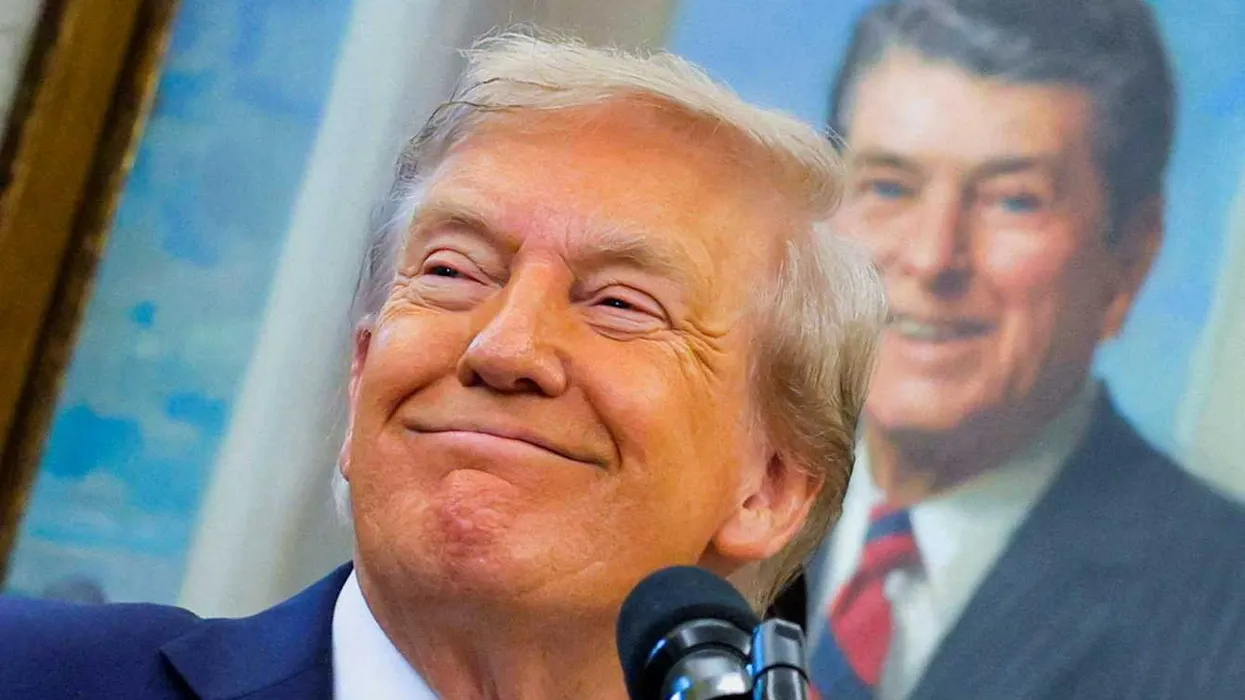
President Donald Trump signed an executive order on Friday exempting Russia from sanctions imposed under a recently enacted "legislative package" that was designed to increase economic pressure on the country and push it to end the war in Ukraine. The move drew swift criticism from several Republicans in Congress, who broke with the president and denounced the decision to let Russia off the hook, according to a report from The Hill.
Lawmakers described the waiver as "unconscionable" and "beyond irresponsible," and suggested that one of Trump's late allies would be "appalled" by it.
"I am hereby waiving the application of such sanctions, restrictions, and duties provided for in the Graham Act," Trump said in the order. "I have submitted to the Congress a certification that the issuance of such a waiver at this time is in the national interests of the United States."
The certification now places the waiver formally before the same Congress that passed the underlying law, meaning any legislative response would rest with the bipartisan coalition that backed it.
The Graham Act, which Trump signed into law last month, was intended to impose tariffs on the top five nations importing energy from Russia, as well as on any other nations helping Russia evade economic sanctions. It passed in the Senate with considerable bipartisan support, clearing the chamber 86-11 — a margin critics are now citing as they press the administration to enforce the very sanctions it is waiving.
The bill was named in honor of Sen. Lindsey Graham shortly after his death, as he had been one of its major backers and announced breakthrough support for it from the White House just before he passed away suddenly in July.
Sen. Thom Tillis of North Carolina, a noted critic of Trump, posted on his official X account: "What part of enforcing a law passed 86-11 by the Senate does the President and his advisors not understand?" He added, "It's unconscionable that this administration is capitulating to a Russian dictator who illegally invaded Ukraine and butchers innocent civilians every single day."
Sen. John Cornyn of Texas, another Trump critic in the Senate, added in his own social media post on Saturday that "Lindsey [Graham] would be appalled."
Rep. Don Bacon of Nebraska posted in response to the executive order news on Friday: "The President is prolonging the war, not ending it."
The decision did receive surprising support from one Republican: Rep. Thomas Massie of Kentucky, who has frequently attacked many of president's other moves and lost his reelection primary this year to a Trump-backed challenger. Massie was notably one of the few Republicans who voted against the bill in the first place.
"Glad to see Trump has used the executive authority granted to him by Congress to waive almost all of the provisions of this stupid law that pertain to Russia," Massie wrote in a post to social media.
Massie also notably spoke in support of Trump's recent deal to import diesel fuel from Russia.

