Trump's Trade War Fractures His 2024 Coalition as Voter Anxiety Mounts: NYT Report
Key Takeaways
- •A New York Times report based on more than four dozen interviews across six states found that many voters who backed Trump in 2024 are upset over his escalating trade war.
- •The trade conflict spans steel, dairy, appliances, automotive parts and agricultural equipment, industries that anchor manufacturing and agriculture in Midwest states such as Ohio and Michigan.
- •Senator Susan Collins of Maine has pushed Trump to de-escalate the trade war, while Michigan Republican Senate nominee Mike Rogers has appeared to stand uneasily with the president's trade policy.
- •The latest New York Times/Siena poll found 19 percent of likely voters opposing the president's trade policies but did not specifically ask about the trade war with Canada.
- •Senate contests in Ohio, Maine, Michigan and New Hampshire are positioned to provide an early measure of how much voter discontent carries into the midterm elections.
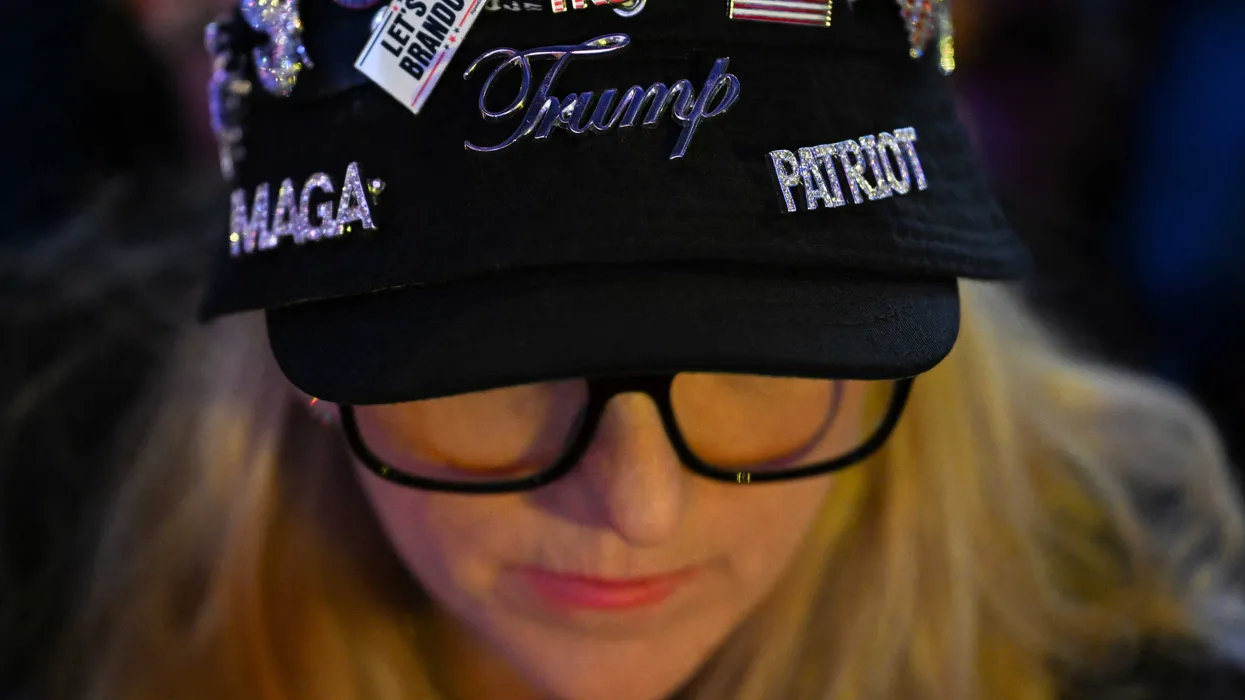
President Donald Trump's 2024 electoral coalition is showing signs of serious strain, according to a report by The New York Times, which found that many of the voters who returned him to office are now upset over his escalating trade war. The strain carries direct stakes for the midterm elections, with control of the Senate running through the same battleground states where the Times documented the discontent.
“Many voters say they are upset about the trade war, including some who cast ballots for Mr. Trump in 2024 with hopes that he would bring them relief from rising prices, according to more than four dozen interviews across six states at the center of the battle for control of the Senate,” the Times reported.
The newspaper said Trump's intensifying trade conflict — spanning steel, dairy, appliances, automotive parts and agricultural equipment — is infuriating voters and putting embattled Republicans on defense as they attempt to walk a delicate line between responding to members of their own party and appeasing the president. The report added that Trump is handing Democrats strong arguments for removing Republicans in the midterm elections, pointing to his unilateral war in Iran, which “has spooked financial markets and threatened to accelerate inflation.” Many of those industries anchor manufacturing and agriculture in Midwest states such as Ohio and Michigan, where two of the Senate races featured in the report are playing out.
According to the Times, Senator Susan Collins of Maine, a vulnerable Republican, has pushed Trump to de-escalate the trade war, while in Michigan, Republican Senate nominee Mike Rogers “has appeared to stand uneasily with Mr. Trump's trade policy.” The paper noted that while 19 percent of likely voters oppose the president's trade policies in the latest New York Times/Siena poll, the survey “did not ask voters specifically about the trade war with Canada” — a conflict that has seen Canada target vulnerable Republican candidates and incumbents in pivotal swing states. That gap leaves something to watch heading into the midterms: whether future polling measures the Canada conflict directly, and how those numbers compare with voters' broader views of the president's trade policies.
Many Trump voters interviewed by the paper expressed frustration. “I voted for him, and I wish I had not,” said Candace Oxley, a retiree in Kettering, Ohio. Oxley said Trump's trade conflict and his preoccupation with vanity projects anger her as Americans find it harder to afford groceries or gas — complicating how she votes in Ohio's competitive Senate race between Republican incumbent Jon Husted and former Senator Sherrod Brown, a Democrat whose platform includes restraining the runaway president.
“It's not the presidency I voted for,” said Ben Rackliff, a contractor in Jefferson, Maine, adding that Trump has taken his tariffs “to an.”
In New Hampshire, carpenter Jonathon Stevens said he had bought into Trump's “blue-collar” approach and professed tax policies but is now “dismayed” by the consequences. After two years of haphazard policies and emotional chaos, Stevens said he misses former President Barack Obama's “professionalism” and is leaning toward supporting Representative Chris Pappas, a Democrat, in New Hampshire's Senate race. The Senate contests in the states the report spotlights — Ohio, Maine, Michigan and New Hampshire — will offer an early measure of how much of that unease carries into the midterm elections.
Source: Alternet

