Frank Luntz Says Entire Trump Voter Focus Group Flipped to Democrats, Admitting They 'Made a Mistake'
Key Takeaways
- •Pollster Frank Luntz said on CNBC that every member of a focus group who had voted for Donald Trump in 2024 switched to the Democrats in Tuesday's midterms and acknowledged having made a mistake, something he said never happens in his focus groups.
- •The defectors cited the war, cost of living and higher prices as reasons, and Luntz said their votes were cast against the Republican Party rather than as an embrace of the Democrats.
- •A call with 14 voters that aired on the program showed gasoline prices, health care costs and the economy dominating the discussion, though focus groups of this size are qualitative and not statistically representative of the electorate.
- •Democrats' victories left them in control of both the House and Senate for the second half of Trump's term, meaning any legislation will need cross-party agreement or veto-proof majorities to become law.
- •Luntz framed the result as profound disappointment among voters who expected Trump to deliver on his promises, and said money was less important in this election than ever before.
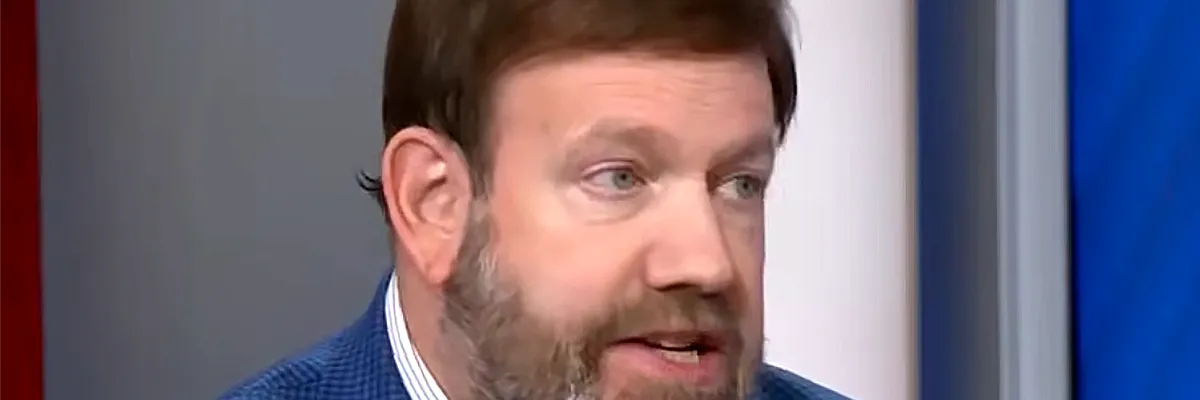
Veteran Republican pollster Frank Luntz said Wednesday that a group of voters who had backed Donald Trump in 2024 all switched to the Democrats in Tuesday's midterm elections — and acknowledged they had "made a mistake" in supporting the president, a development he described as unprecedented in his focus groups.
Appearing on CNBC's Squawk Box, Luntz told co-host Andrew Ross Sorkin that the former Trump partisans had turned against the Republican Party over the war, the cost of living and higher prices, following the Democrats' takeover of the House and Senate. Midterm elections are held at the midpoint of a presidential term, with every House seat and roughly one-third of Senate seats on the ballot, and the results leave Democrats in control of both chambers for the second half of Trump's term — meaning any legislation will need either cross-party agreement or veto-proof majorities to clear Congress and reach the president's desk.
Luntz said he asked the participants whether their votes amounted to a rejection of the Republican Party or an embrace of the Democrats.
"And almost unanimously, it was voting against the Republicans," Luntz said, citing disappointment over the war, higher prices and affordability. "And in the end, these voters acknowledged that they made a mistake. And that never happens in these focus groups."
Sorkin pressed to confirm that the voters in question had supported Trump in 2024 before switching sides.
"Correct," Luntz replied, adding: "And they'd all voted Democrat."
The program then aired footage from a call with 14 voters, in which gasoline and health care costs and the state of the economy dominated the discussion. One participant could be heard saying: "I would tell him to do something about the gas prices and the health care here that they promised us." As a research format, focus groups of this size are qualitative exercises: they can surface how a small number of voters articulate their reasoning, but they are not statistically representative samples of the electorate.
Back in the studio, Luntz seized on her choice of words. "Her last statement, that they promised us, they believed him. They absolutely bought into him in a way that voters don't normally."
Asked whether the election amounted to a referendum on the Trump administration, Luntz pointed to the expectations of the voters who had returned the president to the White House two years earlier.
"I see this as profound disappointment that they expected him to be able to do this and that he didn't deliver," he said. "They believed him, and they were willing to forget everything else that had happened in 2024 to put him back in office. And then they said, you know what? He didn't deliver."
Later in the interview, Luntz turned to what the Democrats would do with their victory. He questioned whether their promise to hold people accountable would extend to their own party, and whether there was room for cooperation on the problems voters wanted addressed.
"If you hold the other accountable, that's revenge," he said.
For Luntz, the result also carried a message about the limits of campaign spending at a time when families were struggling to buy food.
"Money was less important in this election than ever before," he said.

