Polling Data Reveals a Stark Reality: Donald Trump's Base Is Fundamentally Split
Key Takeaways
- •Roughly 53 percent of Republican voters identify as MAGA Republicans or consider themselves part of the movement, according to Economist/YouGov polling.
- •A September 26 Politico poll found just 28 percent of MAGA-identifying voters say expenses have become less affordable since Trump took office in January 2025.
- •Among Trump's 2024 voters who do not identify with MAGA, 52 percent say their local cost of living is the worst it has ever been, and nearly half are undecided or unwilling to vote Republican in the midterms.
- •Surveys including a September 2026 University of Massachusetts Amherst poll show no meaningful cost-of-living differences among 2024 Trump voters, and MAGA identifiers actually have lower incomes than non-MAGA Trump voters.
- •Reich concludes the polling divide is an identity story: MAGA-identifying voters accept Trump's economic claims, which he calls false, over their own lived experience.
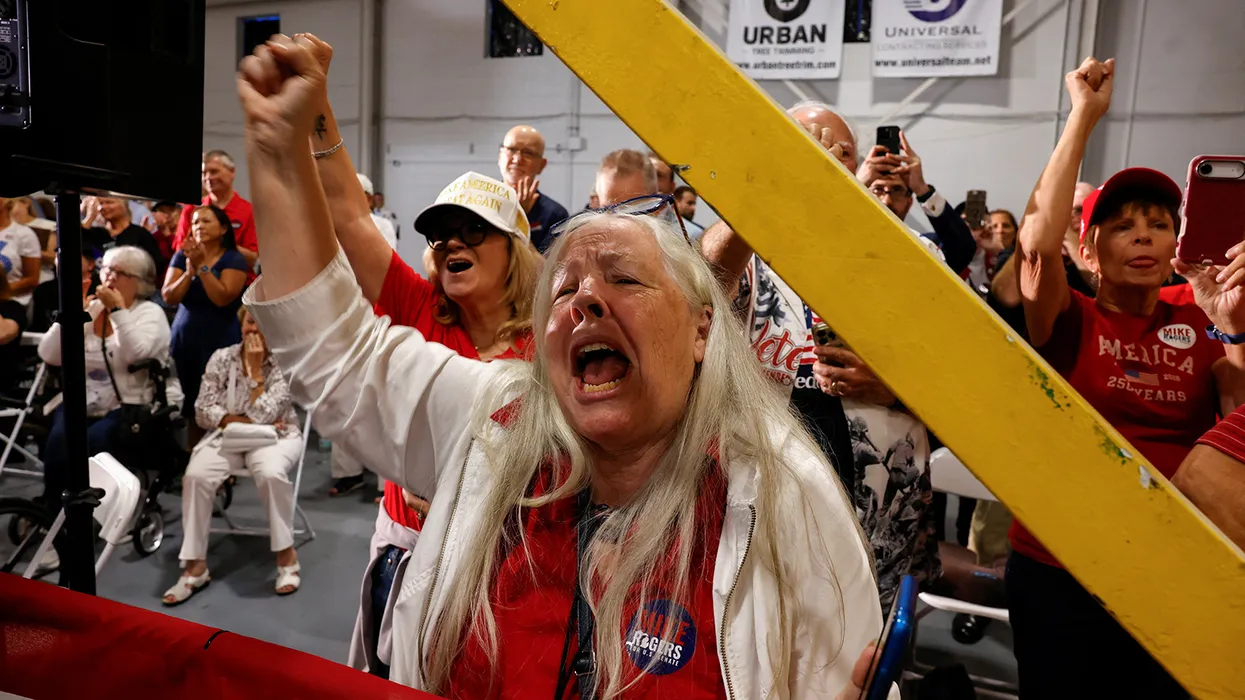
With just over five weeks to go before the midterm elections — contests in which all 435 House seats and roughly one-third of the Senate will be on the ballot — polling data points to a stark reality: Donald Trump's base is fundamentally split. In a column published by Alternet, public policy professor Robert Reich argues that a critical distinction is being largely overlooked in media coverage — the difference between people who voted for Trump in 2024 but do not identify with the MAGA movement, and those who voted for him and still consider themselves part of it.
According to data from sources such as the Economist/YouGov poll, a recurring survey that tracks how many Americans identify with the movement, roughly 53 percent of Republican voters describe themselves as "MAGA Republicans" or consider themselves part of the MAGA movement. That leaves a considerable number of Republican voters who do not identify with the movement — slightly under half of the party's electorate, on these numbers — a bloc whose views, Reich notes, look markedly different on the economy.
How do these two groups of Republican voters line up on the central issue of affordability? A recent Politico poll, published on September 26, found that just 28 percent of voters who describe themselves as part of the MAGA movement say expenses have become less affordable since Trump took office in January 2025. These voters are far more likely to say the economy has gotten better over the same period.
Among Trump's 2024 voters who do not consider themselves MAGA, the picture is very different. More than half — 52 percent — say the cost of living in their area is the "worst" it has ever been. Nearly half say they either would not vote for a Republican in the midterms or are still making up their minds. With Election Day roughly five weeks away, that pool of undecided or reluctant 2024 Trump voters is among the clearest numbers to watch as the final pre-midterm polls are released.
How to explain the divergence? Reich considers, and rejects, two economic explanations. Could it be that MAGA-identifying Trump voters have simply done better economically since 2024 than Trump voters who not consider themselves part of the movement? No: surveys — including a September 2026 national poll conducted by the University of Massachusetts Amherst — show no meaningful distinction in the cost of living among people who voted for Trump in 2024, whose wages have not kept up with inflation whether or not they identify with the MAGA movement.
Could Trump voters who consider themselves MAGA have higher real incomes, leaving them less encumbered by higher prices? No again. In fact, Trump voters who view themselves as part of the MAGA movement have lower incomes than Trump voters who do not.
Reich's own explanation is simpler: anyone who still identifies with the MAGA movement, he argues, remains in what he calls the Trump cult — and almost by definition accepts Trump's descriptions of reality, even when those descriptions do not match the voters' own experiences. In other words, they fully accept Trump's falsehoods. So when Trump states repeatedly that the economy is now far better than it was when he took over in January 2025 — a claim Reich calls a lie — they believe him, even though they are struggling more now than they were then. In Reich's telling, Trump's continuous lies "trump" certain people's lived experiences — particularly those of voters who have surrendered their critical judgment to him. On this reading, the polling gap is less an economic story than an identity story — the very distinction, Reich argues, that coverage has largely missed.
Robert Reich is a professor of public policy at the University of California, Berkeley, and a former U.S. secretary of labor, a position he held from 1993 to 1997. His writings can be found at Robert Reich's Substack.

