Expert Warns Trump's Venezuela Oil Deal Is Destined to 'Backfire' on a Global Scale
Key Takeaways
- •Francisco Rodríguez wrote in a New York Times guest essay that Trump's Venezuela oil deal is destined to backfire and fail its stated objectives.
- •The agreement grants the U.S. rights to Venezuela's untapped oil fields for 100 years via a partnership with a private company run by Alejandro Betancourt López.
- •Venezuela holds an estimated 300 billion barrels of proven oil reserves, more than Saudi Arabia, but output is a fraction of late-1990s levels due to underinvestment, sanctions, and PDVSA's near-collapse.
- •Rodríguez argues the deal will not lower global oil prices and any oil stored in the Strategic Petroleum Reserve will not reach world markets.
- •He warns the opaque privatization process will reduce accountability, deepen inequality, and push Venezuela's democratic transition further away.
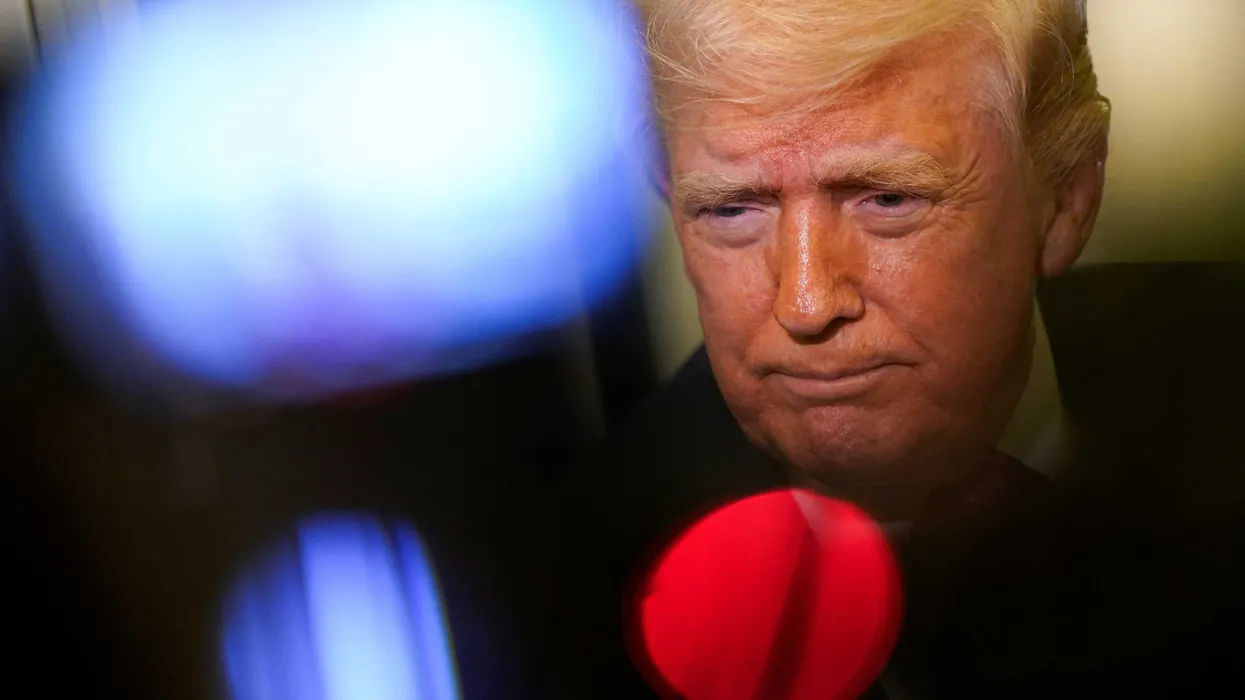
President Donald Trump's unprecedented oil agreement with Venezuela — the full details of which have yet to be made public — is already destined to "backfire" in spectacular fashion, academic and economic expert Francisco Rodríguez argued on Saturday.
"There is still a lot we don't know about the deal," Rodríguez wrote in a guest essay published Saturday in The New York Times. "Mr. Trump claims that it will come at no cost to American taxpayers and that it will serve to replenish the U.S. Strategic Petroleum Reserve, which is running at its lowest level since 1982."
Announced last week, the deal grants the United States rights to Venezuela's untapped oil fields for 100 years. Under its terms, the U.S. government would take a direct stake in Venezuela's oil reserves — the single largest proven oil reserves on earth — through a partnership with a private company run by controversial oil baron Alejandro Betancourt López. Venezuela holds an estimated 300 billion barrels of proven reserves, more than Saudi Arabia, but decades of underinvestment, sanctions, and the near-collapse of its state oil company PDVSA have left output a fraction of what it was in the late 1990s — a backdrop that shapes Rodríguez's skepticism about how quickly production could realistically recover.
The agreement, however, will likely fail to meet any of the Trump administration's stated objectives, Rodríguez argued.
"This is a country where no one should be surprised to see privatization fail. Nor is this deal likely to make a dent in global oil prices, which the Trump administration has presented as one of the key goals of the plan," Rodríguez wrote.
"It will take years for Venezuelan oil production to increase in a significant way — and even if it does, it will not keep pace with the projected growth in world demand over the next 25 years. Any oil that ends up in the Strategic Petroleum Reserve will not be sold in global markets."
Rodríguez is a longtime specialist in the Venezuelan economy who has studied its oil sector and policy cycles extensively, which forms the basis of his assessment of how previous interventions and openings in the country have played out.
The Trump administration has also claimed the oil deal would support Venezuela's "democratic transition." That goal too, Rodríguez argued, is destined to fail.
"Over the past two decades, Venezuelans have lived through the destruction of what was once a prosperous economy and a vibrant democracy. The United States now has both the opportunity and the responsibility to help them rebuild their country," Rodríguez wrote.
"A hazy privatization process that reduces accountability, deepens inequalities and sidesteps institutional reform will not bring democratic change closer. It will push it further away."
