Trump's Reassignment of VP JD Vance Comes Close to Admitting the Iran War Was a Mistake, Analyst Argues
Key Takeaways
- •President Trump's reassignment of Vice President JD Vance is viewed by The i Paper's Rohit Kachroo as the closest move in either of his terms to an admission that he was wrong.
- •The demotion came after Vance blamed Republican losses in the 2026 midterm elections on the fallout from the war with Iran, though it was also linked to his performance in the role.
- •Oil prices surged again after Trump suggested a deal with Iran was no longer necessary, underscoring how closely energy markets track the conflict's political signals.
- •Iran's chief negotiator, Mohammad Bagher Ghalibaf, indicated the Strait would never return to its pre-war status as the nearly year-long conflict appears far from over and all sides are suffering.
- •Republicans lost control of Congress by historic margins in the 2026 midterms, while Israeli elections opened a potential path to ousting Benjamin Netanyahu, illustrating the war's far-reaching political consequences for democratic governments.
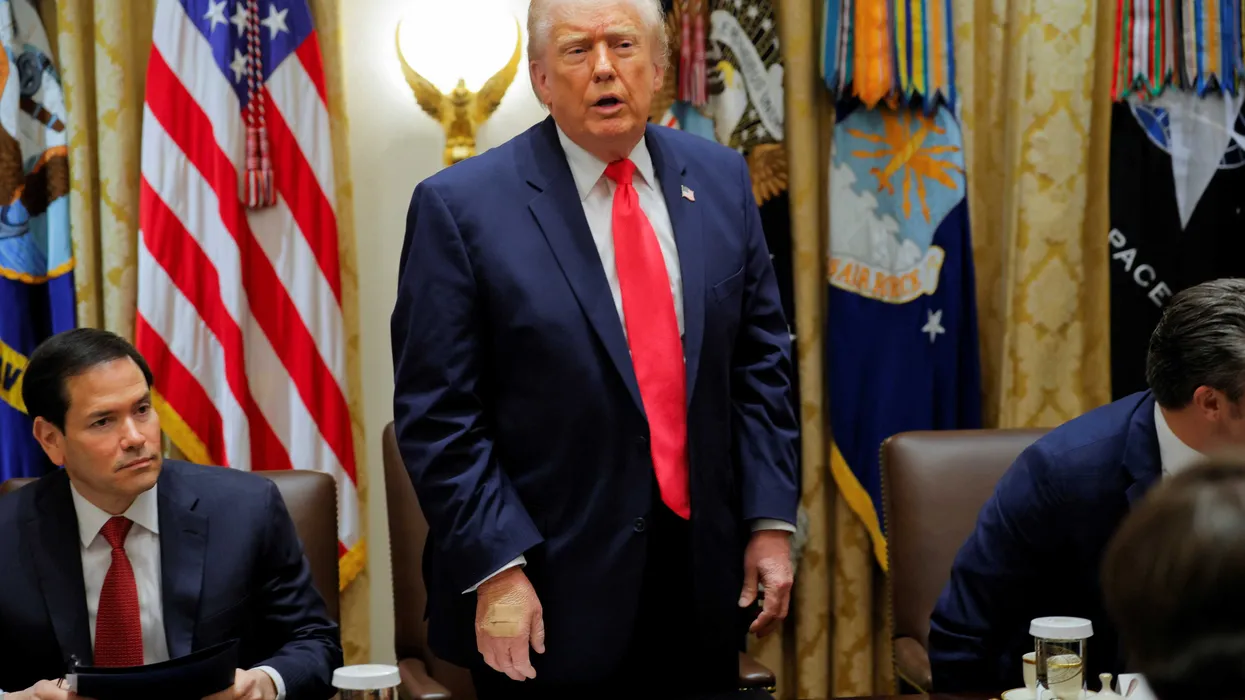
President Donald Trump's decision to reassign Vice President JD Vance comes closer than anything else in either of his terms to an admission that he was wrong, according to Rohit Kachroo of The i Paper.
The move came on the heels of Vance blaming the Republicans' losses in the 2026 midterm elections on the fallout from the war with Iran — a connection borne out in voting polls. Kachroo adds, however, that the demotion was also performance-related, with Vance having been unable to live up to expectations in the role.
For Kachroo, Trump's decision suggests the president is finally acknowledging that the war with Iran has proved a costly choice, with neither the United States, Israel nor Iran achieving its ultimate goals.
Yet even as Trump attempts to course-correct, his recent statements contradict that progress. Kachroo argues that the president's latest declaration — "We've got their Strait" — is wrong. Oil prices surged again after Trump suggested that a deal with Iran was no longer necessary — another sign of how closely energy markets have been tracking the conflict's political signals.
Nor is Trump alone in needing to confront a new reality. Kachroo writes that U.S. involvement in the war risks becoming a semi-permanent state of affairs that will take time to undo. Iran's chief negotiator, Mohammad Bagher Ghalibaf, implied as much when he said the Strait would "never return" to its status before the war. Nearly a year on, the conflict appears far from over, and all sides are suffering.
In the United States, Kachroo notes, the war cost Republicans control of Congress, with the party losing by historic margins in the 2026 midterm elections (archived results here). In Israel, recent elections gave the opposition bloc a potential path to ousting Benjamin Netanyahu and ending what critics call his "October 7 government." Israel, too, has endured heavy punishment and further economic strife as a result. "Iran's determination to retaliate has exposed both its reach and its weakness," Kachroo writes.
Kachroo argues that in both the United States and Israel, military failures and economic struggles can have far-reaching political consequences, threatening the stability of democratic governments. The result, he says, is that the war may have actually left the political groups and leaders the United States sought to weaken or eliminate more powerful.
Trump is now having to come to terms with that harsh reality and work toward a resolution. The markers of whether that course-correction is real are already in motion: the gap between Trump's suggestion that a deal with Iran is no longer necessary and his parallel need to work toward a resolution, and Iran's stated position that the Strait would "never return" to its status before the war. With Congress set to look very different starting in the new year, he may have little choice.

