Trump Says U.S. Supported Japanese Yen as 'Signal of Friendship' Amid Currency Market Focus
Key Takeaways
- •President Trump described U.S. support for the Japanese yen as a diplomatic signal of friendship rather than a purely economic intervention.
- •The president provided no specific details regarding the mechanisms, scope, or nature of the reported currency support.
- •Direct head-of-state commentary on exchange rate intervention is unusual under long-standing G7 conventions that leave currency values to market forces.
- •The Japanese yen has experienced notable depreciation pressure in recent years as interest rate differentials widened between Japan and other major economies.
- •Analysts are urging caution and awaiting further official clarification before drawing conclusions about the practical impact of the president's remarks.
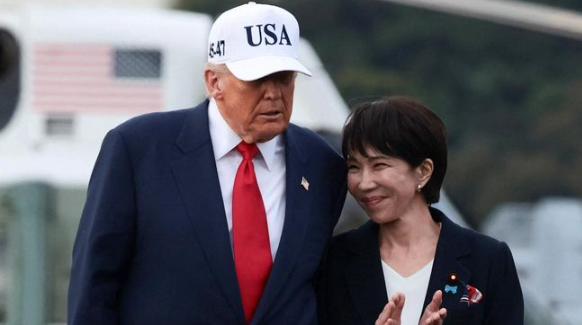
Trump Says U.S. Supported Japanese Yen as 'Signal of Friendship' Amid Currency Market Focus
President Donald Trump stated that the United States intervened to support the Japanese yen, characterizing the move as "a signal of friendship" toward one of America's closest allies in Asia. The remarks immediately drew attention across global financial markets, where investors closely track official statements involving foreign exchange policy and international economic cooperation.
Discussing U.S.–Japan relations, Trump indicated that the decision to back the yen reflected broader diplomatic and strategic ties between the two nations rather than purely economic considerations. By describing the action as "a signal of friendship," the president suggested the move was intended to demonstrate solidarity with Japan during a period of heightened scrutiny of global currency markets.
The comments were highlighted by Cointelegraph on X (source post), drawing additional attention from financial market participants, including cryptocurrency investors who increasingly monitor macroeconomic developments that influence global liquidity and investor sentiment.
Although Trump did not provide detailed information regarding the specific mechanisms behind the reported support, the statement fueled discussion about the evolving relationship between currency markets, international diplomacy, and monetary policy. Direct presidential commentary on currency intervention is itself unusual; under long-standing G7 convention, major developed economies generally avoid targeting specific exchange rates, leaving currency values to be determined by market forces. Statements of this nature from a head of state therefore carry particular weight among market participants.
Currency Markets React to Political Signals
Foreign exchange markets are among the largest and most liquid financial markets in the world, processing trillions of dollars in transactions daily. Unlike equity markets, currency prices often respond not only to economic data but also to political statements, diplomatic developments, central bank decisions, and geopolitical events.
Comments from national leaders regarding exchange rates frequently receive close attention because even subtle policy signals can shift investor expectations. Trump's remarks on yen support therefore immediately became an important topic among currency traders and international investors.
The Importance of the Japanese Yen
The Japanese yen remains one of the world's most significant reserve currencies. Alongside the U.S. dollar, euro, and British pound, the yen plays an essential role in international trade, investment, central bank reserves, and global financial markets.
Investors also regard the yen as a traditional safe-haven currency. During periods of heightened geopolitical uncertainty or financial market volatility, investors frequently increase exposure to the yen owing to Japan's stable financial system and strong external position. Consequently, developments affecting the yen often influence global investment strategies.
The yen has experienced notable pressure in recent years as interest rate differentials between Japan and other major economies widened, particularly during periods when the Bank of Japan maintained ultra-loose monetary policy while counterparts such as the U.S. Federal Reserve raised rates aggressively. That dynamic contributed to sustained yen depreciation and heightened market sensitivity to any policy shifts affecting the currency.
What Trump's Comments May Mean
Although few operational details accompanied Trump's statement, analysts believe his remarks may carry symbolic as well as economic significance. By characterizing U.S. support as "a signal of friendship," the president appeared to emphasize diplomatic cooperation rather than competitive currency policy.
Strong economic relationships between the United States and Japan have historically included coordination on trade, investment, defense, technology, and financial stability. The two countries were also parties to the 1985 Plaza Accord, a landmark agreement among major economies to coordinate currency intervention aimed at depreciating the U.S. dollar — a precedent that continues to inform discussions of multilateral currency cooperation. Statements highlighting monetary cooperation may therefore reinforce broader bilateral relations. However, market participants will likely seek additional clarification regarding the specific actions referenced by the president.
U.S. and Japan Share Deep Economic Ties
The United States and Japan maintain one of the world's largest bilateral economic relationships. Trade between the two countries spans automobiles, semiconductors, energy, machinery, financial services, pharmaceuticals, and advanced technology. Japan also remains one of the largest foreign investors in the United States, while numerous American companies maintain extensive operations throughout Japan.
Because of these deep economic links, financial stability in either country carries importance for both governments. Currency market cooperation has occasionally formed part of broader economic coordination efforts.
Exchange Rate Stability Matters
Stable currency markets benefit businesses engaged in international commerce. Rapid exchange rate fluctuations can increase costs for exporters, importers, manufacturers, multinational corporations, and investors. Many companies actively hedge foreign exchange exposure to reduce uncertainty.
Governments and central banks also monitor currency volatility because excessive fluctuations can influence inflation, trade competitiveness, and economic growth. Any indication of international cooperation aimed at supporting currency stability therefore attracts considerable market attention.
Investors Monitor Official Currency Policy
Although governments occasionally comment on exchange rates, official intervention remains relatively uncommon among major developed economies. Currency markets are generally expected to determine exchange rates through supply and demand. However, exceptional economic conditions sometimes lead governments or central banks to intervene directly — purchasing or selling currencies to influence market prices or reduce excessive volatility.
Japan's Ministry of Finance has authorized direct yen-buying intervention at multiple points in recent years, spending from the country's foreign exchange reserves to counter rapid depreciation. These episodes underscore the political sensitivity surrounding sharp yen moves, both within Japan — where a weaker currency raises import costs for consumers and businesses — and among international partners concerned about competitive currency dynamics.
Trump's remarks have therefore prompted questions regarding whether the reported support involved coordinated financial actions, diplomatic messaging, or broader economic cooperation.
Global Markets Could Respond
Foreign exchange developments often extend beyond currency markets. Movements in major exchange rates can influence bond markets, equity valuations, commodity prices, and international investment flows. A stronger or weaker yen may affect Japanese exporters, multinational corporations, tourism, inflation expectations, and monetary policy decisions.
Global investors therefore monitor developments involving major reserve currencies as part of broader macroeconomic analysis. Although Trump's comments alone may not immediately alter policy, they contribute to evolving market expectations.
Implications for the Bank of Japan
The Bank of Japan (BOJ) has spent years navigating unique monetary policy challenges, including low inflation, changing interest rates, and periods of significant yen volatility. Exchange rate movements frequently influence discussions regarding monetary policy because they affect import prices, export competitiveness, and domestic inflation.
Should international cooperation contribute to greater currency stability, policymakers may gain additional flexibility when evaluating future policy decisions. Nevertheless, analysts emphasize that the BOJ remains responsible for implementing Japan's independent monetary policy objectives.
Cryptocurrency Investors Are Also Paying Attention
Macroeconomic developments increasingly influence cryptocurrency markets. Bitcoin and other digital assets often respond to changes in global liquidity, interest rates, currency markets, and investor risk appetite. Major geopolitical or monetary policy announcements can affect capital flows across multiple asset classes.
Consequently, cryptocurrency investors have become increasingly attentive to developments involving traditional financial markets. Trump's comments regarding support for the Japanese yen attracted attention beyond conventional foreign exchange traders.
Diplomatic Messaging Can Influence Markets
Financial markets frequently respond not only to concrete policy decisions but also to official messaging. Statements emphasizing cooperation between major economies can improve investor confidence by reducing uncertainty surrounding international economic relationships. Markets generally favor stability and predictable policy environments.
By describing support for the yen as a gesture of friendship, Trump introduced a diplomatic element that extends beyond conventional economic analysis. Analysts will likely evaluate whether additional statements from U.S. or Japanese officials provide greater context regarding the reported support.
Analysts Urge Caution
Despite growing attention surrounding Trump's remarks, economists caution against drawing immediate conclusions without further official information. Foreign exchange markets depend upon numerous factors including interest rate differentials, inflation expectations, economic growth, central bank policy, geopolitical developments, and investor positioning.
Individual political statements rarely determine long-term exchange rate trends by themselves. Instead, markets typically evaluate such remarks alongside broader economic fundamentals. Additional clarification from policymakers may therefore become important in assessing the practical significance of the president's comments.
Looking Ahead
Currency stability remains a vital component of global economic confidence, influencing trade, investment, inflation, and monetary policy across multiple regions. As investors await further clarification regarding the nature of the reported support, market participants will continue monitoring official statements from both governments, central banks, and financial authorities. Upcoming economic data releases, BOJ policy meetings, and any follow-up comments from Treasury or Finance Ministry officials may provide additional clarity.
Whether the announcement reflects symbolic diplomacy, coordinated financial cooperation, or broader strategic communication, it reinforces the growing connection between geopolitics, monetary policy, and global capital markets in an increasingly interconnected world.
Source: hokanews.com

