Tanker Traffic Remains Subdued Despite Trump's Talk of Peace
Key Takeaways
- •Tanker crossings through the Strait of Hormuz fell to three on Monday from seven the previous day, while twelve tankers transited the Bab el-Mandeb Strait.
- •Oil prices initially dropped after President Trump signaled interest in peace talks but rebounded when traders questioned the likelihood of an actual agreement.
- •A CNN report revealed that U.S. Central Command is pursuing new unconventional methods to pressure Iran, indicating the military may not be preparing for de-escalation.
- •Gasoline prices have climbed above $4 per gallon, creating political pressure for the Trump administration ahead of midterm elections in three months.
- •President Trump publicly criticized major oil companies for earning excessive profits and urged them to reduce retail prices for consumers.
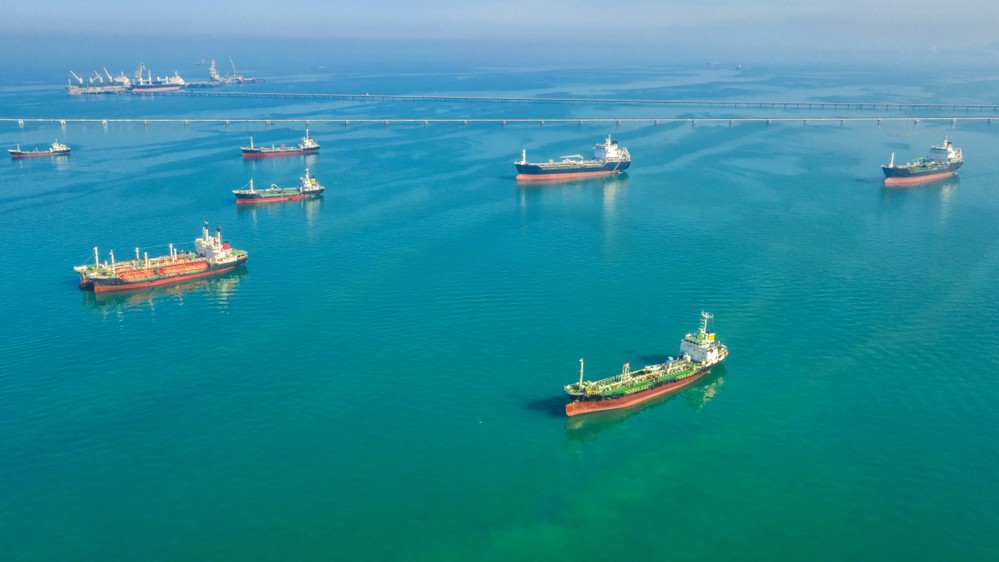
Tanker crossings through the Strait of Hormuz and the Bab el-Mandeb Strait stayed subdued at the start of the week, even as President Donald Trump publicly signaled a potential renewal of peace talks.
The two straits are among the world's most critical maritime chokepoints for energy. The Strait of Hormuz, between Iran and Oman, typically carries roughly a fifth of global oil consumption, while the Bab el-Mandeb Strait, linking the Red Sea to the Gulf of Aden, serves as a key gateway for vessels transiting to and from the Suez Canal.
According to Kpler data cited by Reuters, a dozen tankers transited the Bab el-Mandeb Strait on Monday, with most vessels keeping their transponders active — indicating they were not attempting to pass undetected. In the Strait of Hormuz, only three tankers made the crossing on Monday, down from seven on Sunday.
President Trump's statements about renewed interest in peace talks exerted downward pressure on oil prices late last week and into the current week. However, prices reversed course as traders began questioning the credibility of those claims and the likelihood of a peace agreement being reached.
Those doubts were compounded by a CNN report revealing that the U.S. Central Command (CENTCOM) was seeking new strategies to pressure Iran. The report cited a CENTCOM officer who sent a message to military analysts stating: "We are looking for new creative and unconventional ways to pressure and punish Iran." The disclosure suggests the U.S. military may not be preparing for de-escalation.
Iran, for its part, appears to have committed to a strategy of inflicting economic pain on the United States by obstructing critical energy trade routes. The approach has shown results, with oil prices remaining higher than President Trump would prefer and gasoline prices climbing back above $4 per gallon — a politically sensitive threshold just three months ahead of the midterm elections.
On Monday, President Trump criticized major oil companies for what he characterized as excessive profits. Speaking to reporters in the Oval Office, as reported by the Wall Street Journal, he said: "When you look at one company where they made 12 times what they made the year before, they ought to give some of that back to the public." He added: "And they better cut the retail price, the consumer price."
By Irina Slav for OilPrice.com

