Trump Declares US Control of Strait of Hormuz, Vows to 'Keep It'
Key Takeaways
- •President Trump asserted complete US dominance over the Strait of Hormuz, claiming the naval blockade leaves Iran with no recourse.
- •The Strait of Hormuz transports approximately one-fifth of the world's daily oil consumption, making it a critical chokepoint for global energy supply chains.
- •The US-led war against Iran, launched on February 28, has involved extensive American and Israeli bombing campaigns alongside Iranian retaliation targeting military bases and commercial shipping.
- •Gulf states including Saudi Arabia, the UAE, and Qatar depend heavily on the waterway for exporting oil and liquefied natural gas, meaning any disruption carries direct consequences for global energy markets.
- •Trump has de-escalated from further conflict escalation ahead of November midterms, adopting a strategy of blockading Iranian ports and monitoring Iran's economic decline rather than pursuing a decisive military victory.
Trump Declares US Control of Strait of Hormuz, Vows to 'Keep It'
WASHINGTON — President Donald Trump stated on Wednesday that the United States holds full control over the strategic Strait of Hormuz and intends to maintain that position.
"The U.S.A. has total control over the Strait of Hormuz. I THINK WE WILL KEEP IT!" Trump wrote on his Truth Social platform. "Our Naval Blockade is being called, by everyone, 'A WALL OF STEEL,' and there is nothing Iran can do about it."
Trump has repeatedly asserted US dominance over the waterway, a critical artery for global energy and commodity shipments through the Middle East. The narrow passage handles roughly one-fifth of the world's daily oil consumption, making it one of the most consequential maritime chokepoints on the planet. Iran, however, contends that it effectively controls much of the strait and has announced plans to impose a toll system in response to the US-led war launched by Trump on February 28.
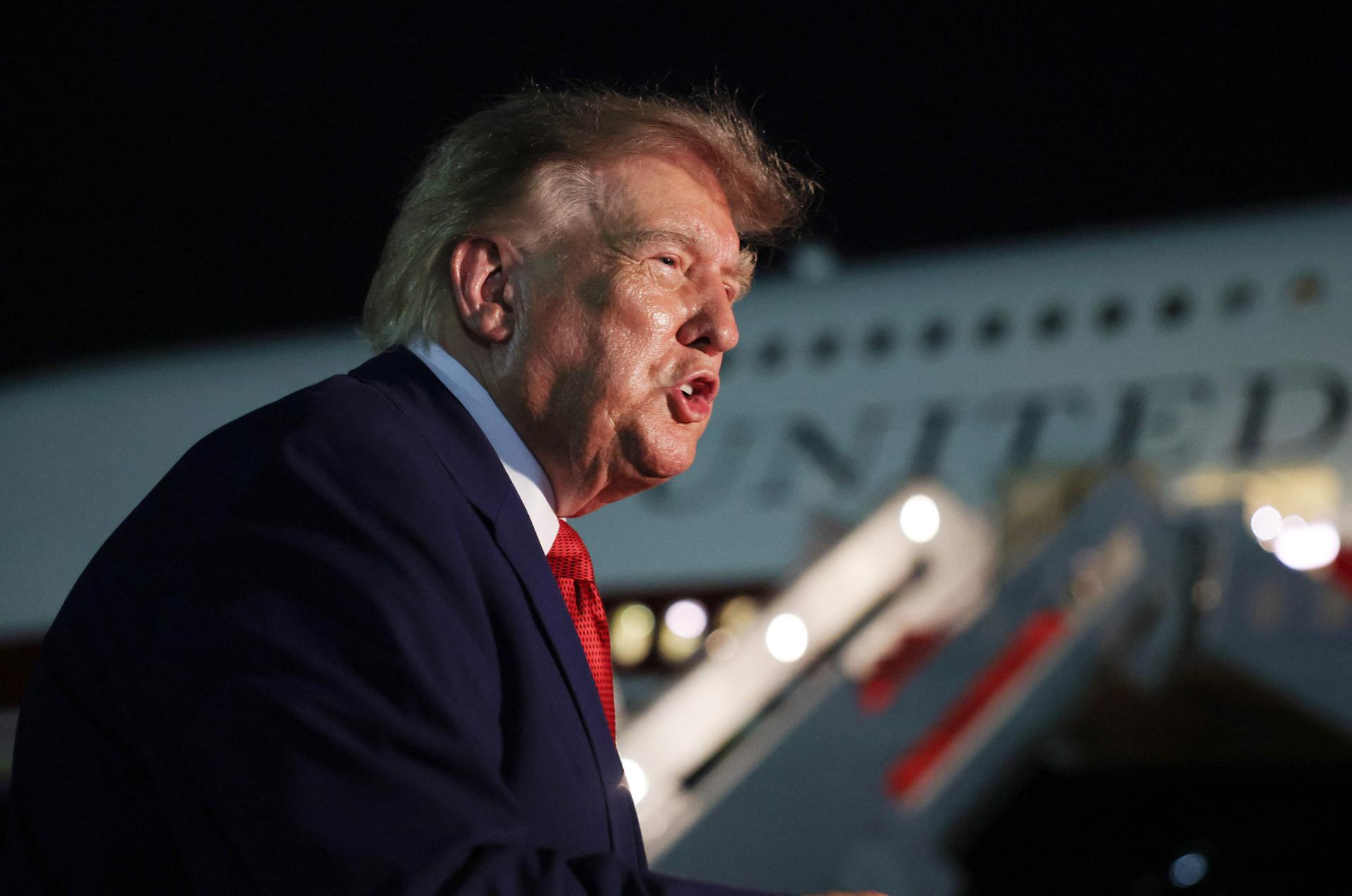
Speaking to reporters late Tuesday at Joint Base Andrews in Maryland after stepping off Air Force One, Trump reinforced the claim: "We have total control over the Hormuz Strait right now. They don't have control. We have total control. We own it."
Over the course of the nearly six-month conflict, US and Israeli forces have conducted extensive bombing campaigns against Iran's military infrastructure and eliminated significant portions of the country's leadership. The war was initially launched with objectives including compelling Tehran to abandon its nuclear program and pursuing regime change.
Iran has retaliated with missile strikes targeting US military bases in the region, Israel, and sites in US-allied Gulf nations. Its most consequential response, however, has been attacks on commercial shipping in the Strait of Hormuz, disrupting the vital trade route and sending shockwaves through the global economy. Gulf states including Saudi Arabia, the UAE, and Qatar rely heavily on the waterway to export their oil and liquefied natural gas, meaning any sustained closure or degradation of the passage carries direct consequences for global energy supply chains.
With domestic political support declining ahead of the November midterm congressional elections, Trump has pulled back from threats to further escalate the conflict in pursuit of a decisive victory, leaving the war at a standoff.
Nevertheless, the Republican president indicated that the United States is prepared to concentrate on blockading Iranian ports under what he described to Axios as a strategy of "low-keying."
"We are only semi-negotiating with them. We are just watching Iran with its huge inflation and the fact they have no money," Trump told Axios on Sunday.
