Trump Edges Toward a More Assertive Russia Sanctions Regime
Key Takeaways
- •The US Senate voted 86–12 in favor of the Lindsey O. Graham Sanctioning Russia and Iran Act of 2026 following a closed-door briefing by President Zelensky, though the bill has not yet been ratified.
- •The proposed legislation would expand sanctions on Russia's energy and financial sectors and target the shadow fleet of uninsured tankers used to bypass the G7 oil price cap.
- •The bill authorizes the US Trade Representative to impose tariffs of up to 100 per cent on the five largest importers of Russian oil and gas, with China and India as the top two.
- •Hungarian bank OTP's Russian subsidiary paid approximately €460 million in dividends during 2023–2024, illustrating persistent enforcement gaps in European sanctions against companies still operating in Russia.
- •UK-based network provider RETN continues serving Russian state-linked clients through its Moscow subsidiary, while its financial backer Njord Partners has not faced sustained regulatory scrutiny.
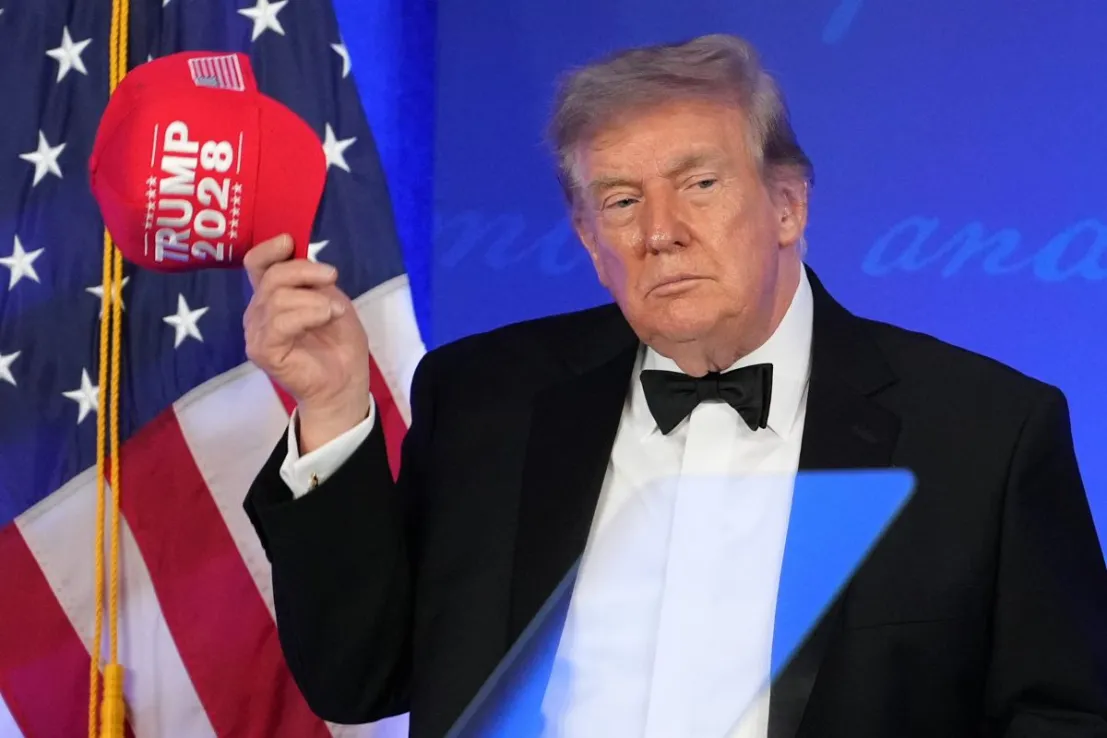
President Trump is gradually shifting toward a firmer pro-Ukraine stance, a trajectory that, while welcomed by Kyiv, will demand careful calibration to avoid disrupting global trade and to address the corporate enablers sustaining Russia's war effort.
A warming stance toward Ukraine
President Trump's cordial reception of Ukrainian President Volodymyr Zelensky at the White House on Tuesday signaled a slow but discernible move toward a more solidly pro-Ukraine position. Although the meeting was held behind closed doors, expectations in Kyiv are high that the Trump administration will tighten the screws on Moscow through a combination of military assistance and intensified economic pressure.
The Graham Sanctions Act
At the center of this next phase is the Lindsey O. Graham Sanctioning Russia and Iran Act of 2026 (ABC News), which represents a new wave of financial pressure on the Kremlin. The bill has not yet been ratified but has secured bipartisan backing in Congress. On Tuesday evening, the Senate voted 86–12 in its favor following a closed-door briefing by Zelensky.
The legislation would expand sanctions against Russia's energy and financial sectors, incorporating provisions from the Shadow Fleets Sanctions Act (Senate Foreign Relations Committee). Its stated objective is to restrict both the production and transportation of Russian energy. The bill targets the so-called "shadow fleet"—hundreds of aging, uninsured tankers that Russia has assembled to circumvent the G7 price cap mechanism in place since December 2022, which currently allows Russian seaborne oil to be sold below $60 per barrel.
Global trade implications
A separate provision in the bill carries significant consequences for global commerce. According to a report by the Atlantic Council (Atlantic Council), the legislation would authorize the US Trade Representative to impose tariffs of up to 100 per cent on the five largest importers of Russian oil and gas.
China and India consistently rank as the top two importers of Russian energy. Trump's "Liberation Day" tariffs in April 2025 prompted Indian refiners to seek alternative supplies (Indian Express). The subsequent Iran war, however, pushed India back toward Russian energy, with US acquiescence. New Delhi is said to be closely monitoring the Sanctioning Russia Act and is expected to pursue exemptions.
China is anticipated to retaliate against energy sanctions with countermeasures, including the indirect measures envisioned under the bill. Beijing responded to Liberation Day by imposing strict export controls on critical minerals (Reuters), placing considerable strain on global supply chains. Those tensions eased following the Trump–Xi meeting in October, which produced a one-year reprieve (BBC News).
The White House, observers note, must absorb the lessons of these second-order effects when crafting major sanctions legislation, however well-intentioned the underlying policy may be.
Targeted pressure on corporate enablers
Beyond sweeping legislative measures, more surgical interventions targeting the enablers of Russia's war machine—specific institutions and corporate interests—proved effective under former President Biden. Several European banks currently face intense pressure from both US and EU financial regulators to sever profitable ties to the Russian economy. The EU has adopted successive sanctions packages since 2022, but enforcement gaps persist, particularly in jurisdictions where national regulators lack the authority or inclination to compel divestment.
On 21 July, a Reuters report highlighted the ongoing Russian operations of OTP, a Hungarian bank (Reuters). According to the most recent figures available, OTP's Russian subsidiary paid €460 million in dividends during 2023–2024, representing a substantial share of its revenues. The bank's assertion that it has been unable to exit Russia due to "the changed regulatory environment" is unlikely to allay regulatory concerns.
To avoid triggering further US tariffs, the EU will need to align closely with Trump if he is genuinely prepared to advance to the next stage of Russia's economic isolation. The United Kingdom—already in Trump's crosshairs for a perceived failure to support his military campaign against Iran—similarly has an opportunity to clamp down on corporate enablers.
The RETN case
RETN, a UK-headquartered international network service provider, illustrates the issue. RETN retains exposure to the Russian market through its Moscow-based subsidiary, JSC RetnNet, whose client roster includes Russian state entities. Following the 2022 invasion of Ukraine, JSC RetnNet concluded agreements with the Kurchatov Institute, a sanctioned state-controlled research center (Federal Register); St. Petersburg energy utility GUP TEK; the part-state-owned telecommunications company PJSC Rostelecom; and the sanctioned financial institution Rosbank (US Treasury).
These dealings provoked criticism from UK media, yet Njord Partners, the London-based private equity firm that has financially backed RETN since 2017 (Wall Street Journal), has not yet faced sustained political or regulatory scrutiny. Prime Minister Andy Burnham could demonstrate his commitment to European security by ensuring proper scrutiny of implicated corporate figures such as Jakob Kjellberg, who co-founded Njord Partners and serves as Chairman of the Board of Directors at RETN.
The road ahead
A more robust and intelligently designed sanctions regime would further bolster Ukraine's war effort. Russia, despite support from a network of US adversaries, continues to suffer significant losses in personnel and equipment. Trump has positioned himself as wanting to be on the winning side of every security challenge, which means that Ukraine's battlefield performance will likely influence the level of support it receives from the White House.
For Russia to be decisively defeated, Ukraine requires increased deliveries of advanced military hardware coupled with intensified economic pressure on Moscow. These measures, the author argues, must be fully delivered by both the United States and its European partners—and without delay.
Derek Grossman is a professor of practice of political science and international relations at the University of Southern California.

