Trump's Canada Trade War Draws Midterm Blowback, Democrats See Opportunity
Key Takeaways
- •Trump announced 50% tariffs on Canada after trade negotiations between the two countries broke down, and Canada said it would respond in kind.
- •Greg Sargent said the dispute could damage Republicans in the midterms because its effects would be felt heavily in the Midwest.
- •Josh Turek said farmers are facing repeated economic pressures, including higher fertilizer and diesel costs and lower prices for beef producers.
- •Trump is also threatening 50% tariffs on cars, trucks, and auto parts, which could affect voters in Ohio, Michigan, and Pennsylvania.
- •Democrats are using the tariff fight to argue that incumbent Republicans have not pushed back against Trump’s actions.
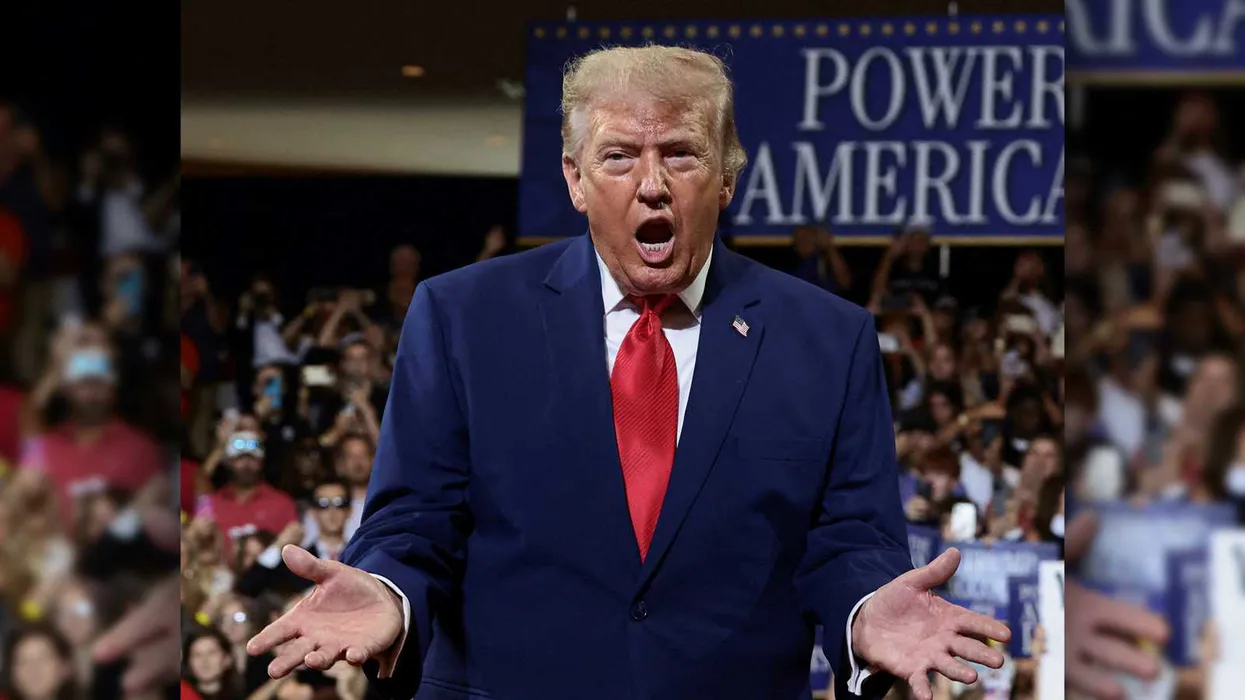
Since President Donald Trump launched a new trade war with Canada over the weekend, analysts have been examining who will be most directly affected by the economic disruption that follows. According to veteran political journalist Greg Sargent, Trump’s latest move is a “betrayal” of his own voters and, with the midterms approaching, will be “terrible for the GOP.”
After trade negotiations between the U.S. and Canada collapsed on Friday, Trump announced 50 percent tariffs against the American ally, and Canada said it would respond in kind. Sargent wrote that “Trump's insane new trade war with Canada is terrible for the GOP: Its impact will hit right in the heart of the Midwest, where many midterm races will be decided.” In his view, the dispute is “handing Democrats a weapon in the homestretch of these contests to win over rural Americans and others who are experiencing all this endless derangement in very concrete ways.” Because the fallout is already being described in political terms, the issue is likely to matter most where voters are sensitive to costs and where closely watched congressional races are already underway.
Josh Turek, a Democrat challenging Representative Ashley Hinson (R-IA) for Iowa’s open Senate seat, said, “You talk to farmers, and they’ll tell you it’s one gut punch after another.” He pointed to Trump’s war on Iran, which he said is driving up fertilizer and diesel prices, and to Trump’s effort to lower beef prices by importing large amounts of beef, which would undercut American producers. In response to those decisions, Turek said, Iowans have adopted a common refrain: “This is betrayal.” That framing also helps explain why agricultural and energy costs are becoming part of the midterm argument in farm states rather than remaining abstract trade-policy disputes.
Sargent also noted that Trump is now threatening 50 percent tariffs on cars, trucks, and auto parts. “How will that go over in Ohio and Michigan, where there are two big Senate races?” he asked. He added that the trade war would directly hurt the agriculture industry in contested House districts in Pennsylvania. In other words, the dispute reaches beyond Washington’s negotiating table and into regions where manufacturing, farming, and cross-border commerce are central to local economies and to the next round of congressional races.
As Sargent wrote, all of this gives Democrats “a potent line of attack on incumbent Republicans: that they’ve done nothing to resist the tariffs, even though the levies constitute a huge usurpation of their own power — that is, of Congress’s power to tax.” He added that Trump’s trade war with Canada is a strong midterm issue because it shows how “GOP Congress rolls over for a madman in ways that concretely hurt ordinary people.” That argument may resonate in districts where voters are less focused on trade theory than on whether party leaders are willing to push back when policy changes affect prices, producers, and employers.
Despite the anticipated backlash, Trump has insisted that “we don’t need Canada, they need us!” But Sargent argued that whether the U.S. needs Canada or not, substantial trade still takes place between the two countries. “You know who actually can’t afford for all this to be upended right now? Republican incumbents and candidates in the Midwest, that’s who,” he wrote. “So ‘we’ may not ‘need’ Canada, but Republicans in the region really ‘need’ Trump to not rupture trade relations with our ally for the next two months.”

