Trump Threatens to Cut Off Trade With Deficit Partners Unless the Fed Lowers Rates
Key Takeaways
- •Trump threatened to halt trade with countries running surpluses against the U.S. unless the Federal Reserve lowers interest rates.
- •The threat could affect major U.S. trading partners including China, Mexico and Vietnam.
- •August nonfarm payrolls rose 162,000 while unemployment held at 4.1%, increasing expectations of a possible Fed rate hike at the September 15-16 meeting.
- •Supply disruptions from such a policy could raise import costs, add inflationary pressure and weigh on U.S. exporters and growth.
- •The Fed's rate decisions remain driven by economic data, with upcoming inflation readings the next key input ahead of the September meeting.
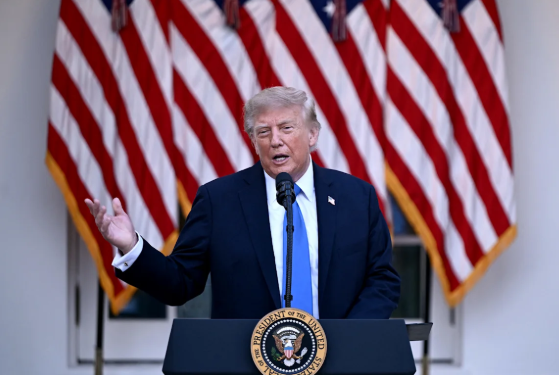
President Donald Trump has threatened to halt trade with countries that run trade surpluses against the United States unless the Federal Reserve lowers interest rates, creating a potentially disruptive link between U.S. monetary policy and international trade.
According to information published by @coinbureau (https://x.com/coinbureau/status/2095895802740617675), Trump argues that lower borrowing costs would improve U.S. competitiveness and ease the burden of high interest rates. His comments came after stronger-than-expected U.S. employment data reinforced expectations that the Federal Reserve could keep rates elevated rather than move toward an immediate reduction.
The demand renews a long-running tension over Fed independence. The Federal Reserve operates by congressional mandate to pursue maximum employment and price stability, and presidents historically have limited formal levers over its rate decisions, though public pressure from the White House can shape market perceptions of the central bank's autonomy.
Trade Policy Faces Potential Escalation
The threat could affect major U.S. trading partners, including China, Mexico and Vietnam, all of which maintain significant trade surpluses with the United States. Reuters reported that Trump said the United States could cease trading with countries where it runs deficits if the Fed does not lower borrowing costs.
Such a policy would represent a significant escalation beyond tariffs. Disrupting established trade relationships could force companies to find alternative suppliers, potentially raising the cost of imported goods and creating bottlenecks across manufacturing and distribution networks. Supply chains that were reshaped during earlier rounds of tariff measures — which led many firms to shift sourcing and absorb higher input costs — would face renewed adjustment pressure.
The threat also comes as the U.S. economy continues to send mixed signals. The Bureau of Labor Statistics reported that nonfarm payrolls increased by 162,000 in August, well above expectations, while unemployment remained at 4.1%. The stronger labor market has increased market expectations of a possible Federal Reserve rate hike at the September 15-16 meeting.
Inflation and Markets Become the Next Focus
The potential financial consequences extend beyond traditional trade channels. Higher import costs resulting from supply disruptions could add pressure to inflation, while retaliatory measures from trading partners could weigh on U.S. exporters and economic growth.
Financial markets could also face greater volatility if investors begin pricing in simultaneous risks from trade restrictions and uncertain monetary policy. Equities, Treasury yields, the dollar and cryptocurrency markets could all react to shifts in expectations surrounding growth, inflation and Federal Reserve policy.
For now, the Fed's decision remains tied to economic data rather than presidential demands. The next major test will come with upcoming inflation readings ahead of the September policy meeting, which will help determine whether officials see sufficient evidence to alter the current interest-rate path.
Written by Victoria Hale, Technology & Blockchain Writer.
