Trump Warns Oman of Military Action as Strait of Hormuz Crisis Threatens Oil Prices
Key Takeaways
- •Trump said Oman could face U.S. military action if it obstructs U.S. objectives tied to Iran and the Strait of Hormuz.
- •Oman has been in talks with Iran about maritime navigation through the Strait of Hormuz, a critical global energy shipping route.
- •Reuters reported that vessel traffic through the strait has fallen sharply in recent days compared with prewar levels.
- •Markets are concerned that continued disruption could raise oil prices, increase transport costs and add to inflation pressures globally.
- •The warning increases concerns that the U.S.-Iran conflict could broaden beyond the two countries if tensions around the strait deepen.
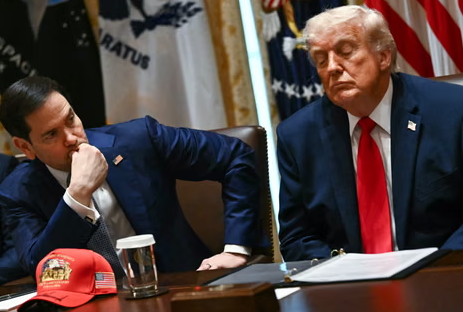
President Donald Trump has threatened military action against Oman if the Gulf state interferes with U.S. efforts involving Iran and the strategically vital Strait of Hormuz, according to remarks reported by Fox News on Monday. The warning comes as tensions across the region continue to climb and as Oman engages with Iran over arrangements for maritime traffic through the strait, one of the world's most important energy corridors.
Trump's comments mark a significant escalation in rhetoric toward Oman, a longtime U.S. partner that has also played an important diplomatic role in discussions involving Iran. The development has raised concerns that the conflict could expand beyond the direct confrontation between Washington and Tehran.
The remarks were made during an interview with Fox News reporter Trey Yingst. Asked about parallel discussions between Iran and Oman concerning control of and navigation through the Strait of Hormuz, Trump responded with a warning that Oman could face U.S. military action if it obstructed Washington's objectives. The comments arrive at an especially sensitive moment, with negotiations over the future of the strait facing major obstacles.
Source: X post (@coinbureau)
Strait of Hormuz Becomes the Center of the Conflict
The Strait of Hormuz has become one of the central flashpoints in the broader U.S.-Iran confrontation. The narrow waterway connects the Persian Gulf with the Gulf of Oman and the Arabian Sea, making it a critical route for international energy shipments. Disruptions there can quickly affect crude oil, refined petroleum products and other commodities moving through global markets.
Shipping activity has already fallen sharply amid the conflict. Reuters reported that only a handful of vessels passed through the strait over recent days, far below the levels seen before the war. That decline has increased concerns about energy supplies and transportation costs.
For global markets, the situation creates a particularly sensitive risk because prolonged disruption in the Strait of Hormuz could affect not only crude flows but also the costs of moving energy and other goods through one of the world's busiest maritime chokepoints.
Oman Caught Between Washington and Tehran
Oman's position is especially complicated. Muscat has traditionally maintained diplomatic relationships with both Washington and Tehran and has frequently been involved in efforts to facilitate communication between the two sides.
Recent discussions between Oman and Iran have focused on possible arrangements for maritime navigation through the Strait of Hormuz. Reports indicate the two countries have been working toward an understanding that could help manage shipping through the waterway. The talks have become increasingly important as the United States seeks to maintain pressure on Iran while also pushing for a resolution to the wider conflict.
Trump's latest warning puts Oman in an increasingly difficult position. Any agreement between Muscat and Tehran that Washington believes undermines its blockade or strategic objectives could create a direct confrontation with the United States. At the same time, Oman has an interest in maintaining regional stability and restoring commercial navigation through the waterway.
Risk of a Wider Middle East Conflict
The threat against Oman has raised concerns that the existing conflict could widen. Oman has not been a principal combatant in the U.S.-Iran conflict, so a direct military confrontation involving the country would represent a major escalation and could potentially draw other regional governments deeper into the crisis.
The United States has already been heavily involved in efforts surrounding the strait, while Iran has insisted on its own authority over the waterway. Reuters reported that Iranian officials have claimed the strait remains under Iranian control, while Trump has made competing claims about U.S. control of the area. Those conflicting positions make negotiations particularly difficult.
Any military incident involving Oman could further complicate efforts to reopen the waterway and increase uncertainty for shipping companies, energy producers and international investors.
Oil Prices Face Another Potential Shock
One of the biggest concerns surrounding the latest escalation is the potential impact on oil prices. The Strait of Hormuz is a critical route for global energy supplies, and any further reduction in shipping traffic could heighten concerns about available oil and gas supplies and raise transportation and insurance costs.
Markets have already been reacting to geopolitical developments in the region. Gulf stock markets moved lower on Monday as investors assessed the growing uncertainty surrounding the U.S.-Iran conflict and the future of the Strait of Hormuz.
A prolonged disruption could put additional pressure on crude oil prices, particularly if major energy companies are forced to reroute cargoes or reduce shipments through the waterway. Higher oil prices could then feed into inflation expectations in economies that depend heavily on imported energy.
Trump Says Iran Must Not Obtain Nuclear Weapons
Alongside his warning to Oman, Trump has reiterated that preventing Iran from obtaining a nuclear weapon remains a central U.S. objective.
The latest comments come as the deadline associated with the current U.S.-Iran diplomatic framework has expired without a final agreement. The two sides remain divided over several major issues, including Iran's nuclear program, sanctions, the U.S. military presence and control of the Strait of Hormuz.
Trump has continued to signal that Washington is prepared to maintain pressure on Tehran if negotiations fail. The situation leaves the region facing a difficult choice between renewed diplomacy and further escalation.
Coin Bureau Draws Attention to the Crisis
The latest developments have also been closely followed by cryptocurrency investors. The X account @coinbureau has been highlighting developments surrounding the Strait of Hormuz, Iran and the potential impact on oil and global markets. Its recent posts have focused on the ongoing uncertainty over whether the waterway will reopen and how shipping activity is being affected.
For investors in Bitcoin and other cryptocurrencies, the conflict is important because geopolitical shocks can produce sharp changes in global risk sentiment. A major increase in oil prices could strengthen inflation concerns and influence expectations for interest rates. At the same time, heightened geopolitical uncertainty can push investors toward traditional safe-haven assets while increasing volatility across risk markets.
Markets Await the Next Move
Trump's warning places Oman in the middle of an increasingly dangerous dispute over the Strait of Hormuz. The immediate question is whether diplomatic efforts between Oman and Iran can continue without provoking a direct confrontation with Washington.
If negotiations succeed and shipping through the strait gradually resumes, pressure on oil markets could ease. But if tensions escalate further, the consequences could extend well beyond the Middle East. A prolonged disruption to the world's energy trade could affect crude oil prices, inflation, shipping costs and financial markets globally.
For now, Trump's warning remains a threat rather than evidence that the United States has decided to launch military action against Oman. But the rhetoric underscores how quickly the dispute over the Strait of Hormuz is becoming a broader geopolitical and economic risk.
With negotiations stalled and shipping activity severely disrupted, investors will be watching every development closely. The future of the Strait of Hormuz could determine not only the next phase of the U.S.-Iran conflict, but also the direction of global oil markets in the weeks ahead.

