Donald Trump Launches Section 301 Investigation Over EU's $21.5B in U.S. Company Fines
Key Takeaways
- •President Trump ordered an immediate Section 301 investigation into the European Union in response to its approximately one billion dollar fine against Google under the Digital Markets Act.
- •The European Commission issued two separate penalties totaling 890 million euros, addressing Google's self-preferencing in search results and its restrictions on app developers within the Google Play store.
- •Trump cited cumulative EU fines of roughly 21.5 billion dollars across Apple, Meta, Amazon, and Google as evidence that American companies are being unfairly targeted.
- •The DMA permits penalties of up to 10 percent of a company's global annual turnover, escalating to 20 percent for repeat violations, though the Google fine represented approximately 0.22 percent of its turnover.
- •The escalation threatens the U.S.-EU trade framework established last year and signals that digital regulation disputes may increasingly influence broader transatlantic trade policy.
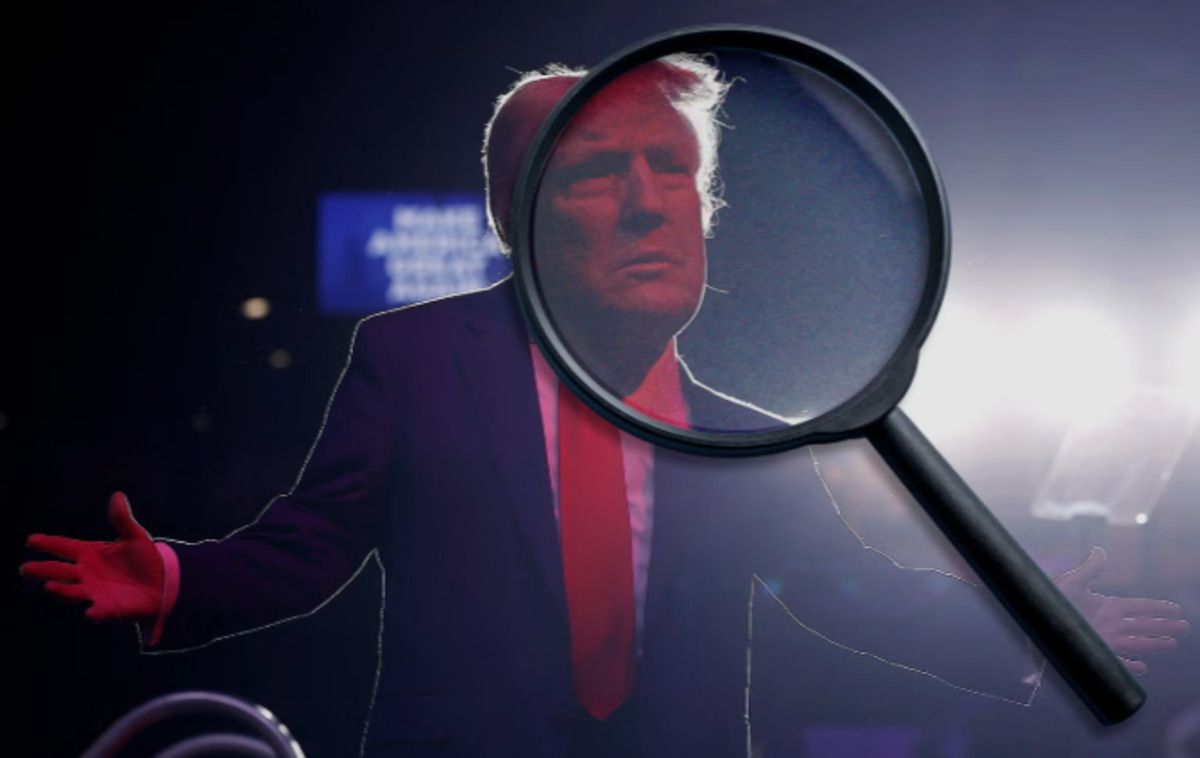
U.S. President Donald Trump has threatened new tariffs against the European Union after Brussels fined Google approximately $1 billion under its Digital Markets Act (DMA), escalating an already tense transatlantic trade relationship.
Trump Announces Section 301 Investigation
Trump stated that his administration would immediately initiate a Section 301 investigation into the European Union following the regulator's latest penalty against Google. Section 301 of the 1974 Trade Act grants Washington authority to investigate foreign trade practices and impose retaliatory tariffs.
The tool has previously been used by U.S. administrations to challenge practices deemed unfair to American commerce, making the launch of an investigation a formal step before any potential tariff response. Such probes are typically handled through the U.S. trade apparatus and can include consultations, evidence gathering, and a determination on whether foreign practices are unreasonable or discriminatory.
The president accused the EU of systematically targeting major American technology companies through repeated fines. He noted that the bloc had penalized Apple, Meta, Amazon, Google, and other U.S. firms, asserting that the United States would not permit Europe to use American companies as a revenue source.
In a post on X (source), Trump wrote, "The United States of America is not a 'PIGGYBANK' for Europe, nor will we allow it to be." He warned that the EU would "pay a very big price" for what he characterized as unfair treatment of American companies.
The tariff threat follows broader U.S. trade action against approximately 60 trading partners, including the European Union. New duties ranging from 10% to 12.5% took effect Friday following earlier trade investigations.
European Commission Penalizes Google Under DMA
The European Commission fined Google 890 million euros (approximately $1 billion) for breaching the Digital Markets Act, marking the first penalty imposed on Google under the EU's flagship regulation for large online platforms.
The DMA is designed to regulate large digital "gatekeepers" that control key online services, including search, app stores, and platform access. Its rules are intended to limit self-preferencing and require designated companies to give business users and consumers more choice across digital markets.
The Commission issued two separate decisions. A fine of 460 million euros addressed allegations that Google privileged its own shopping, hotel, transport, and sports services within search results. A second fine of 430 million euros concerned restrictions on app developers, with EU regulators stating those limitations prevented developers from guiding users to more affordable offers outside the Google Play store.
Under the Digital Markets Act, penalties can reach up to 10% of a company's global annual turnover, with repeat violations carrying fines of up to 20% of global annual turnover. An EU official noted that the latest penalties represented approximately 0.22% of Google's turnover.
EU tech chief Henna Virkkunen stated, "We are very committed to our rules." EU officials have maintained that their digital regulations are not exclusively aimed at U.S. firms, a position Washington has consistently rejected, arguing that American companies are being disproportionately targeted by European enforcement.
Trade Tensions Escalate Between U.S. and EU
Trump's post also referenced prior EU penalties against other American companies, citing $15 billion in fines against Apple, $3 billion against Meta, and $2.5 billion against Amazon. Combined with the latest Google penalty, the total fines cited by Trump amount to approximately $21.5 billion.
The president stated that the U.S. expected the penalties to be reversed and warned that substantial tariffs could follow swiftly. Trump wrote that the administration would investigate what he called the EU's practice of "ROBBING" American companies and taxpayers, adding, "Stay tuned!" as he signaled possible trade action.
The dispute adds strain to the trade framework established by Washington and Brussels last year, which lowered U.S. duties on European cars in exchange for EU concessions.
The clash also emerges as U.S. technology companies increasingly seek White House backing in their disputes over European digital regulation. Several major firms have intensified lobbying efforts around EU regulation since Trump returned to office in January 2025.
The Section 301 process will serve as the next step, potentially determining whether the U.S. escalates from threats to concrete tariff measures. The EU has stood behind its regulatory actions, while the White House has framed the Google penalty as part of a broader pattern of unfair treatment toward American companies. Any move from investigation to tariffs would also test how far both sides are willing to link digital regulation disputes with broader trade policy.
Source: Coinpaper

