Trump's 'It's Life' Response to Nationwide Tech Outages Shows He Has 'Lost Touch With the Real World,' Columnist Argues
Key Takeaways
- •A wave of simultaneous outages at Microsoft, the FAA, United Airlines, Chase Bank, and other firms disrupted air travel, banking, and communications across the United States this week.
- •While traveling through Asia, Trump brushed off questions about the failures by saying "it's life" and that such things happen to big, powerful, and wealthy entities.
- •Columnist Zeeshan Aleem wrote that Trump's remarks reveal a president so detached from reality that he no longer considers the concerns of ordinary Americans.
- •Friday's FAA ground stop was only the second ordered since the September 11, 2001 attacks, while Transportation Secretary Sean Duffy has struggled to explain what occurred.
- •Determining whether the outages were connected and whether AI misuse or cyberattacks played a role will require considerable effort and expertise before the nation's digital infrastructure can be reinforced.
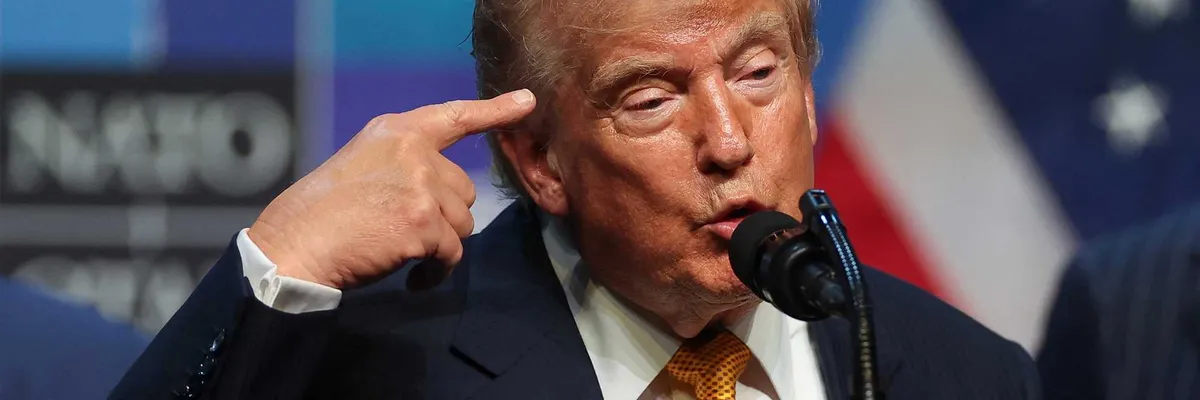
President Donald Trump's dismissive response to a wave of technology outages that disrupted air travel, banking, and communications across the United States this week demonstrates that he is "staggeringly out of touch" with the concerns of the American people, according to MS NOW political columnist Zeeshan Aleem.
Writing on Thursday, Aleem argued that Trump's "breezy" comments about the system failures — which have thrown the country into chaos over the past week — are a clear sign that the president is so detached from reality that he is no longer even pretending to think about ordinary people.
Trump, who was traveling through Asia at the time, was asked by a reporter whether he was concerned about the recent string of outages at Microsoft, the Federal Aviation Administration (FAA), United Airlines, Chase Bank, and other companies. The system crashes suspended air travel nationwide, hammered the economy, foiled communications and logistics, and left some Americans so concerned that they began stocking up on cash and supplies.
"It's life," Trump replied. "When you're big and powerful and have all the money, things like that happen. It's fine."
"His answer was an accidental window into the psyche of a man with stultifying levels of money and power who has lost touch with the real world," Aleem wrote. "The U.S. is facing a strange crisis of confidence. Digital infrastructure malfunctioning has caused disruptions to the economy, massive headaches for consumers, problems in our national security apparatus and widespread public anxiety about the pace and direction of technological development. But more than anything, people are trying to make sense of it. Are these outages connected? What is causing them? Are we in serious danger of a deepening crisis? How much, if any, of this can be explained by misuse of artificial intelligence or cyberattacks?"
While Trump shrugged off the disruptions as "life," Aleem countered that it is anything but. "The reason so many people are worried is precisely because the outages themselves are uncommon and particularly impactful," he wrote.
FAA ground stops are exceptionally rare — Friday's halt was only the second ordered since the September 11, 2001, attacks. Meanwhile, Transportation Secretary Sean Duffy has struggled to explain what happened, and a string of simultaneous outages made Americans suspicious that the failures were not coincidental.
Aleem also took issue with Trump's suggestion that such breakdowns are simply the lot of the "big and powerful." The opposite is true, he argued: infrastructure in wealthy countries is less prone to failure than infrastructure in smaller, poorer, and less powerful nations. In Aleem's view, the "you" in Trump's remark likely referred to the president himself.
"In that case," Aleem wrote, "everything is 'fine,' because when you're 'big and powerful and have all the money,' then you don't have to concern yourself with the breakdown of services meant for the grubby commoners. Or at least you're insulated from having to think about it as an urgent issue."
Reporting suggests that a great deal of effort and expertise will be required to determine what went wrong and then reinforce the country's digital infrastructure. That work — establishing whether the outages were connected, and whether artificial intelligence misuse or cyberattacks played any role — is central to the questions Aleem said Americans are trying to make sense of, and the answers, when they come, will bear directly on the "crisis of confidence" he described. But Aleem concluded that there is little reason to expect the president to engage with that challenge.
"There's no reason to think that Trump will understand that — or that he even cares," he wrote. "'Things happen' is not what you say when you are looking for a solution."

