Trump's 'Most Beautiful Word' Turns Into a Midterm Liability for Republicans: WSJ
Key Takeaways
- •A Wall Street Journal analysis found that tariffs have shifted from a potentially popular policy into an electoral vulnerability for Republicans ahead of the midterms.
- •In Michigan's closely watched Senate race, Republican candidate Mike Rogers has called for ending the trade war with Canada, a country on which the state's automakers and manufacturers depend.
- •An Economic Innovation Group survey found that 58% of blue-collar workers now oppose the tariffs, reversing the narrow support the same group showed in 2025.
- •A Pew Research Center survey released October 8 found that 56% of Americans expect the tariffs to have a mostly negative effect, with Republican confidence dropping to 40% from 52% in August 2025.
- •Democrats have promised to challenge the duties if they win control of Congress, though Trump's veto authority could complicate any rollback of the policy.
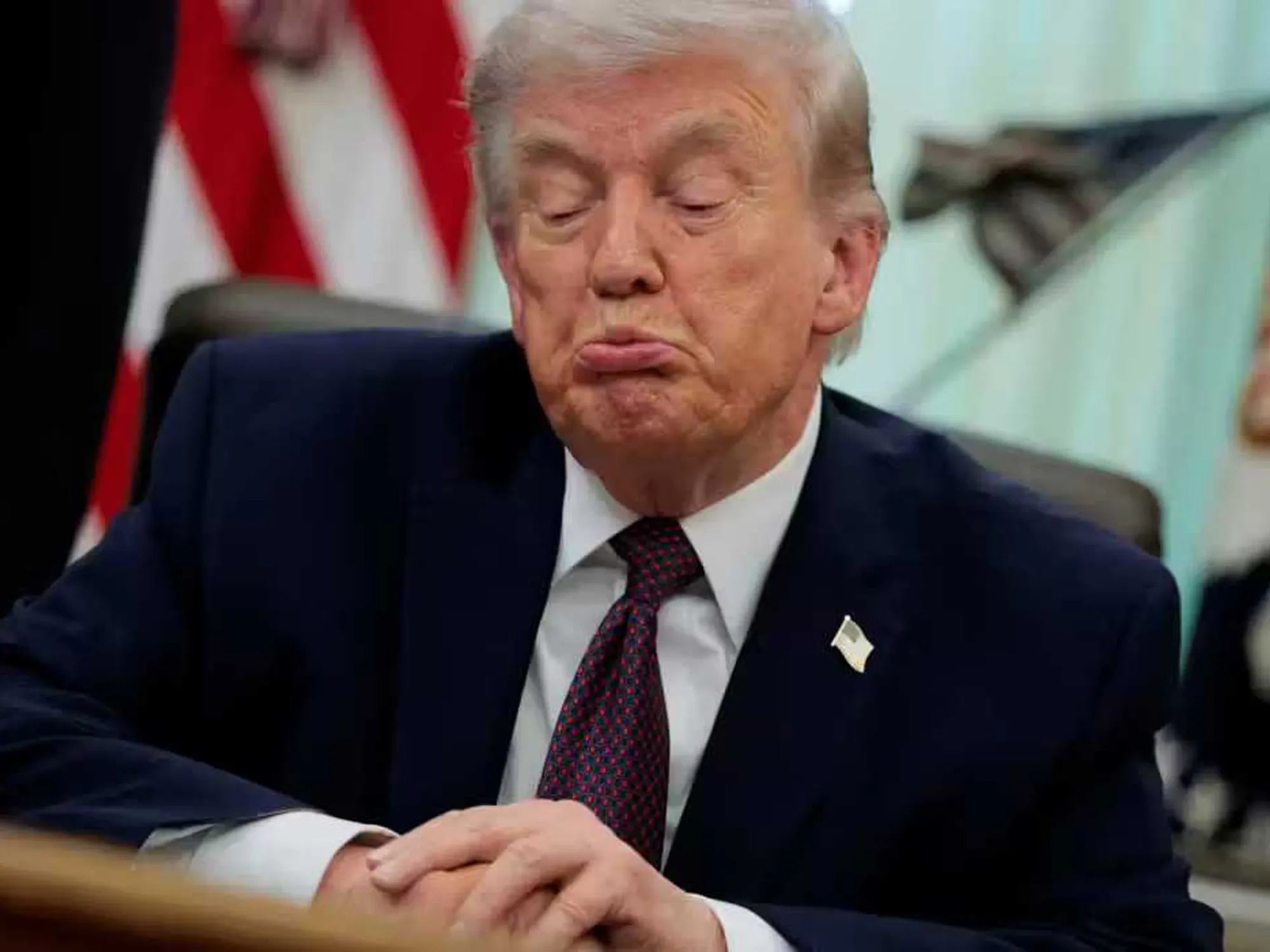
President Donald Trump once declared “tariff” the “most beautiful word” in the dictionary. Now the signature trade policy at the center of his economic agenda is haunting vulnerable Republicans, according to a Wall Street Journal analysis by Greg Ip.
The analysis found that tariffs have shifted from a potentially popular tool for protecting American industry into a weapon that Democrats are wielding against the GOP ahead of the midterms. Many Republicans are struggling to defend the measures as Democrats attack them over the cost of living and businesses getting the raw end of the deal.
In Michigan, Republican Senate candidate Mike Rogers has called on the Trump administration to end the trade war with Canada.
“We need to end this tariff war now,” Rogers said in a campaign ad released earlier this month. Sitting at a bar with a Canadian beer, he argued that Michigan and Canada are not enemies.
The message resonates in Michigan, where automakers and other manufacturers rely on trade with the neighboring nation. Rogers is locked in a tough race against Democrat Abdul El-Sayed in a high-profile Senate contest.
The Journal noted that in a 2024 survey, tariffs enjoyed more support than opposition. That was before Trump returned to office and imposed sweeping import duties that he branded “Liberation Day” tariffs.
Public opinion has since moved against them. A recent Economic Innovation Group survey found that support for the tariffs among blue-collar workers has flipped, with 58% now opposing them and 36% supporting them, a reversal after the same group narrowly supported the measures in 2025.
A Pew Research Center survey released October 8 found that 56% of Americans expect Trump's tariffs to have a mostly negative effect on the country, while just 20% anticipate positive results. Even among Republicans, faith in the landmark economic policy is thin: only 40% expect mostly positive results, down from 52% in August 2025.
The Journal's analysis traced the problem to timing. Trump imposed his tariffs while Americans were already anxious about grocery prices and household expenses, and his frequent changes to the policy only deepened the sense of uncertainty. That combination has made tariffs both an economic issue for households and a campaign issue for candidates in trade-exposed states such as Michigan.
Democrats are using the tariff turmoil to pitch themselves to voters, promising to challenge the duties if they win control of Congress. Any rollback, however, could be complicated by Trump's veto authority, making the midterm results important to the future of the policy even if Democrats gain congressional control.
With the midterms less than two weeks away, the issue has become urgent for Republicans who may lose their races as Trump's favorite word keeps voters away.

