Supreme Court Expert Joan Biskupic Says Trump's Attacks on the Justices Are Backfiring
Key Takeaways
- •Joan Biskupic, a reporter who has covered the Supreme Court since 1989, said on CNN that Trump's escalating attacks on the justices may be emboldening them rather than swaying their decisions.
- •The Supreme Court currently has a 6-3 conservative majority that includes three justices appointed by Trump during his first term: Neil Gorsuch, Brett Kavanaugh, and Amy Coney Barrett.
- •Biskupic said the justices dislike the criticism and fear it could provoke harassment from outsiders at a time when they are highly concerned about security.
- •For Chief Justice John Roberts and some conservative colleagues, Trump's attacks function as a badge of honor that counters perceptions they automatically rule in his favor.
- •Biskupic said the court, particularly Roberts, fears court-expansion proposals promoted by progressives and moderates, and aims to rule conservatively while avoiding any appearance of siding with Trump.
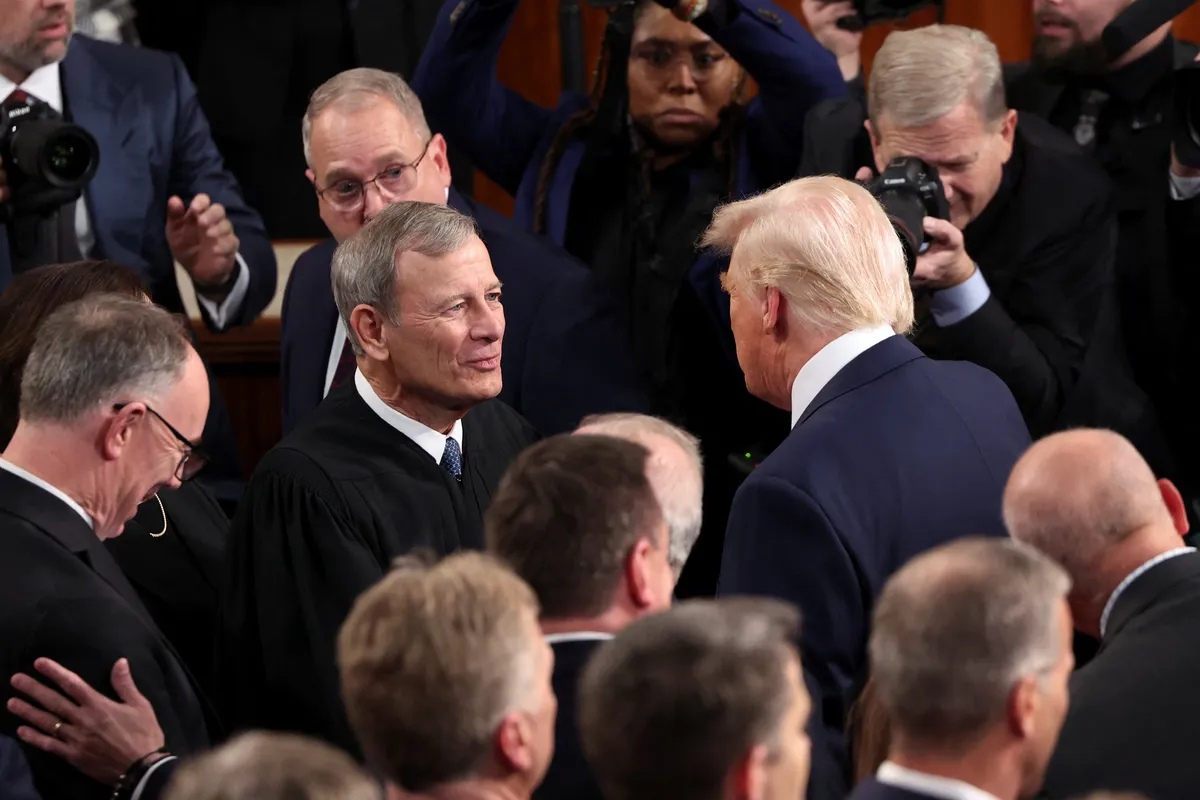
President Donald Trump has repeatedly attacked the Supreme Court and vented his frustration whenever its rulings do not go his way, but according to one veteran court watcher, that pressure campaign may be working against him.
Joan Biskupic, an author and reporter who has covered the Supreme Court since 1989 and written multiple biographies of its justices, appeared Sunday on CNN. Host Manu Raju pressed her on the state of the court, and in particular on how much Trump's escalating attacks are likely to sway its rulings. The question carries added weight given the bench's current makeup: a 6-3 conservative majority that includes three justices Trump appointed during his first term — Neil Gorsuch, Brett Kavanaugh and Amy Coney Barrett.
Biskupic explained that the criticisms do concern the justices to a degree, but they also have a way of emboldening them — a dynamic she suggested could ultimately blow up in Trump's face.
"Well, they don't like the criticism. And what they worry about is that it gins up people on the outside," she said. "That would additionally harass the justices at a time when they're so concerned about security... But I think overall, none of them like the kind of atmosphere that they're in now, where they're getting so much criticism."
For some justices, she added, the president's broadsides have become a source of pride rather than pressure.
"But what it does for some of them, including, I think, the Chief Justice, is it's a little bit of a badge of honor," Biskupic said. "Because, you know, Chief Justice John Roberts and several of his conservative colleagues are often seen as, you know, in the bag for Donald, that they're only ruling for Donald Trump. They're not. They've given Donald Trump plenty, but when the president criticizes them, they can say, 'See, he doesn't like us either.'"
Biskupic also noted that the growing barrage of criticism from Trump has left the court — and Roberts in particular — fearful that future leaders may expand the number of seats on the bench as part of a broader reform plan. The bench has stood at nine justices since 1869, and expansion proposals have resurfaced periodically on Capitol Hill without being enacted. In that view, any appearance of ruling in lockstep with Trump would only accelerate that possibility.
"What they also fear is, especially from progressives and moderates, is the idea that there are proposals out there for court expansion, for court packing," she said. "And they see that as a real threat to their integrity. So they're trying — the chief justice, John Roberts, is trying to navigate a course where he is very conservative, and he is ruling for a lot of the president's initiatives, but he doesn't want the court to be seen as linking arms with Donald Trump."
How that balance holds is likely to remain in view as disputes tied to the president's agenda continue to reach the court, keeping the institution's perceived independence — and Roberts's navigation of it — under sustained scrutiny.

