Trump Pledges 'Super Intelligence' Riches for States as Voters Push Back on AI Data Centers
Key Takeaways
- •President Trump urged U.S. states to embrace "super intelligence," his preferred name for artificial intelligence, describing the technology as a source of economic riches.
- •An exit poll found 56 percent of midterm voters considered AI and data centers a crucial or major factor in their vote, while 76 percent opposed building a data center in their own community.
- •Democrats won Senate seats in Texas, Ohio, and Iowa, all states with data center numbers far above the 50-state median of 55, with Texas leading the country at 31 projects under construction.
- •James Talarico, winner of Texas's 2026 Senate race, campaigned on tighter data center regulation and blamed the facilities for driving up utility bills across the state.
- •A September executive order requires federal agencies to use "Super Intelligence" and "SI" in place of "AI" in official communications where law allows, and the administration created a Super Intelligence Force to coordinate policy.
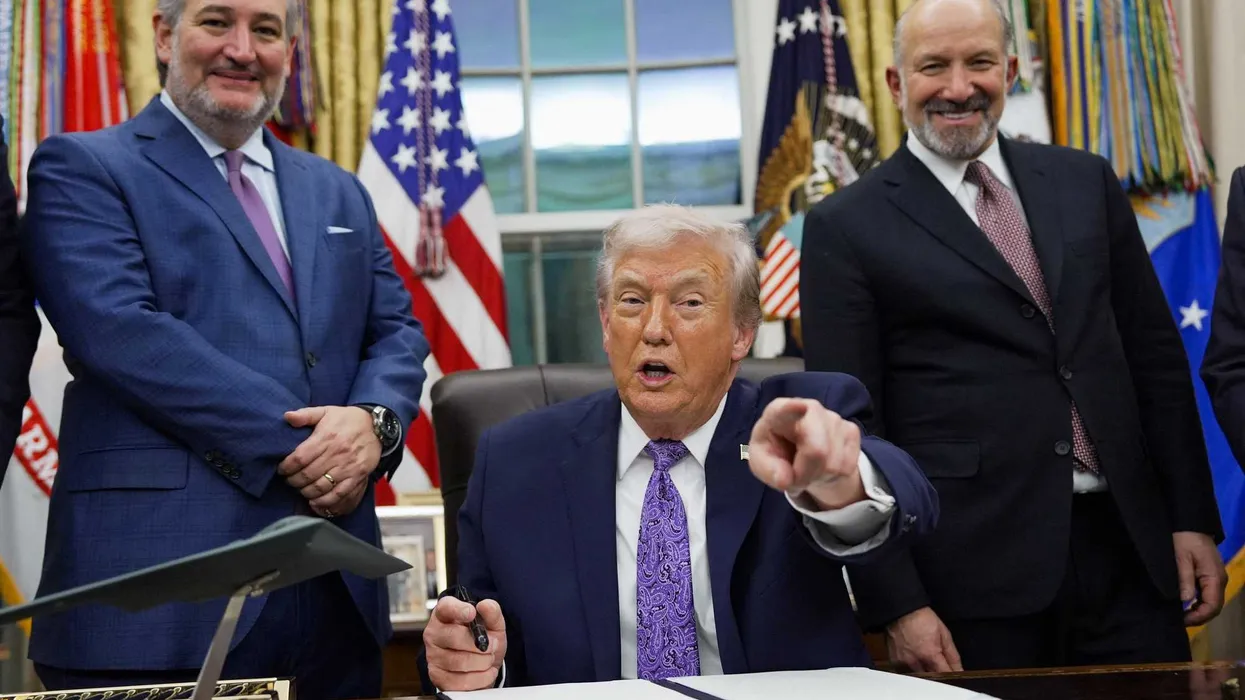
President Donald Trump threw his full support behind "super intelligence" (SI) — his preferred name for artificial intelligence — on Friday, urging U.S. states to embrace the technology for its promised economic benefits.
"As President, I am 100 percent in favor of Super Intelligence (SI), and will work with the many states in the U.S. that want to become RICH by having them. They are GOLD, and only foolish leadership will say 'NO' to the riches they bring! President DJT," Trump wrote in a post on Truth Social.
The statement arrives at a moment of intensifying public resistance to AI data centers — the industrial-scale facilities that house the servers and computing hardware underpinning AI systems. Polling of U.S. midterm voters suggests the issue was a powerful motivator for some Americans and could well have influenced the outcome of the election.
An exit poll conducted for the Associated Press and other news organizations found that 56 percent of respondents rated AI and data centers as a "crucial or major" factor in how they voted, while 76 percent opposed building a data center in their own community. Opposition was even stronger among voters who cast their ballots for Democratic candidates.
Separate figures released by Pew Research in September showed favorability dropping since January, with roughly half of Americans describing data centers as "mostly bad" for the environment, home energy costs, and quality of life.
Notably, three of the Senate seats captured by Democrats — in Texas, Ohio, and Iowa — are in states with far more data centers than the 50-state median of 55. Texas leads the country with 31 data center construction projects in progress.
James Talarico, who won the 2026 U.S. Senate race in Texas, campaigned on imposing tighter rules on data centers in the state. He has attributed their spread to corporate greed and Republican leaders he says are more attuned to big business than ordinary residents, and has blamed the facilities for high costs under the Trump administration.
"Data centers are jacking up utility bills across the state of Texas," Talarico said at a July news conference. "Billionaire-backed politicians are giving sweetheart tax deals to giant AI companies and then sticking us with the bill."
Trump's enthusiasm for the technology is now codified. Under an executive order he signed in September, federal agencies must use "Super Intelligence" and "SI" in place of "Artificial Intelligence" and "AI" in official communications and documents where the law allows. The president has stated the White House's position bluntly, calling an "enemy" anyone who clings to the word "artificial" instead of "super." The administration has also set up a Super Intelligence Force to coordinate federal government policy on the technology.
That leaves federal policy and state-level politics pulling in opposite directions: Trump is pressing states to embrace a technology he calls "GOLD," while Democrats now hold Senate seats in three states with data center footprints far above the 50-state median — including a Texas seat won by a candidate who campaigned on imposing tighter rules. How states weigh the riches Trump promises against the local costs their voters flagged at the ballot box now sits at the heart of the debate.

