Trump Labels Strait of Hormuz as 'New US Territory' Amid Iran Tensions
Key Takeaways
- •Trump posted a map on Truth Social describing the Strait of Hormuz as "new US territory."
- •The Strait of Hormuz is internationally recognized as a navigation strait, not the territory of any single state.
- •About one-fifth of the world’s oil supply and a substantial share of LNG shipments pass through the waterway.
- •Prediction-market pricing put the chance of a U.S.-Iran agreement by August 31 at 2.9% YES.
- •Shipping traffic, tanker freight rates, and war-risk insurance premiums are key indicators of disruption risk.
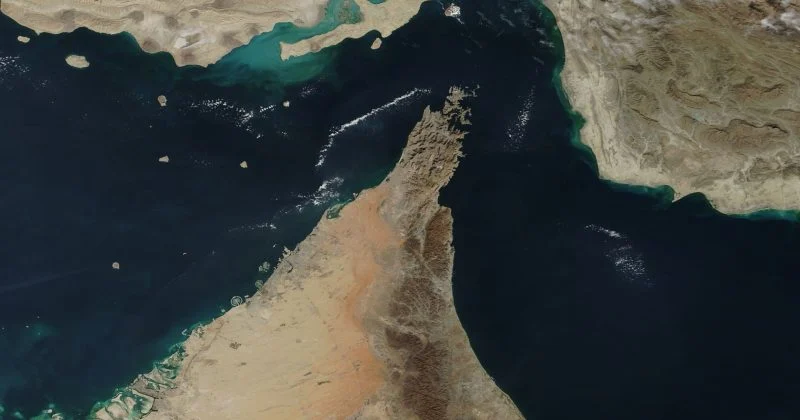
In an unexpected move, U.S. President Donald Trump posted a map labeling the Strait of Hormuz as "new US territory" on his Truth Social account. The post comes amid ongoing tensions between the United States and Iran over control of the strategic waterway, which is critical for global oil and gas shipments.
Under maritime law, the Strait of Hormuz is internationally recognized as a strait used for navigation rather than as the territory of any single state, and ships transiting such international straits are generally accorded passage rights — a framework codified in the UN Convention on the Law of the Sea (UNCLOS), which the United States has never ratified and which Iran has signed but not ratified. Trump's post therefore marks a significant rhetorical escalation, but it does not reflect any legal change in the status of the strait.
Why the Strait Matters
The Strait of Hormuz separates Iran from Oman's Musandam Peninsula and connects the Persian Gulf with the Gulf of Oman and the Arabian Sea. Roughly 21 miles (about 34 kilometers) wide at its narrowest point, it is the primary maritime exit route for Persian Gulf oil and gas exports. Widely cited estimates hold that about one-fifth of the world's oil supply, along with a substantial share of global liquefied natural gas shipments including Qatar's exports, passes through the waterway, making any disruption there a focal point for global energy markets. Iran has repeatedly threatened to close the strait during past confrontations, and the waterway has seen actual disruption before: commercial tankers were attacked there during the 1980s Iran-Iraq "Tanker War," prompting the United States to reflag and escort Kuwaiti tankers through the Gulf. No overland alternative can replace the route at scale — bypass pipelines such as Saudi Arabia's East-West line to the Red Sea and the UAE's pipeline to Fujairah can carry only a fraction of the volume that moves by sea.
Market Pricing Signals Dimmer Odds of a Deal
Prediction-market pricing indicates a decreased likelihood of a U.S.-Iran agreement by August 31, with the probability of resolution falling to 2.9% YES. The map post suggests a harder U.S. stance, potentially complicating diplomatic efforts to reach an agreement on Hormuz passage.
What to Watch
Watch for any further statements from Trump or Iranian officials that could influence diplomatic negotiations. Key indicators include potential announcements of a ceasefire extension or confirmation of unrestricted shipping through the strait. Shipping traffic data, tanker freight rates, and war-risk insurance premiums are among the gauges typically used to track disruption risk in the waterway. Conversely, any reports of renewed military activity or breakdowns in talks could further reduce the likelihood of an agreement by the upcoming deadline.
With only nine days left until August 31, developments during this period are crucial for shaping the market outlook.
