Trump Names Stephen Miller Chief of Staff, Signaling He Is 'Doubling Down,' Haberman Says
Key Takeaways
- •President Trump named Stephen Miller, his deputy chief of staff and domestic policy adviser, to replace Susie Wiles as chief of staff in a Friday announcement that followed Republican losses in the midterm elections.
- •New York Times reporter Maggie Haberman characterized the appointment as Trump doubling down on his agenda rather than switching course, despite the midterm results and with two years remaining in his term.
- •Representative Robert Garcia, the incoming Democratic chair of the House Oversight Committee, said he plans to investigate Miller over his role in the administration's hard-line approach to deportations.
- •Miller, 41, has been at Trump's side since his first presidential campaign and served all four years of the first term, and his promotion places the immigration portfolio at the center of the West Wing for the final two years.
- •Wiles, the first woman to hold the chief of staff role, posted a farewell message expressing pride in the administration's accomplishments, after former Trump health official Calley Means accused her of caving to industry lobbyists and prioritizing fundraising over Americans' health.
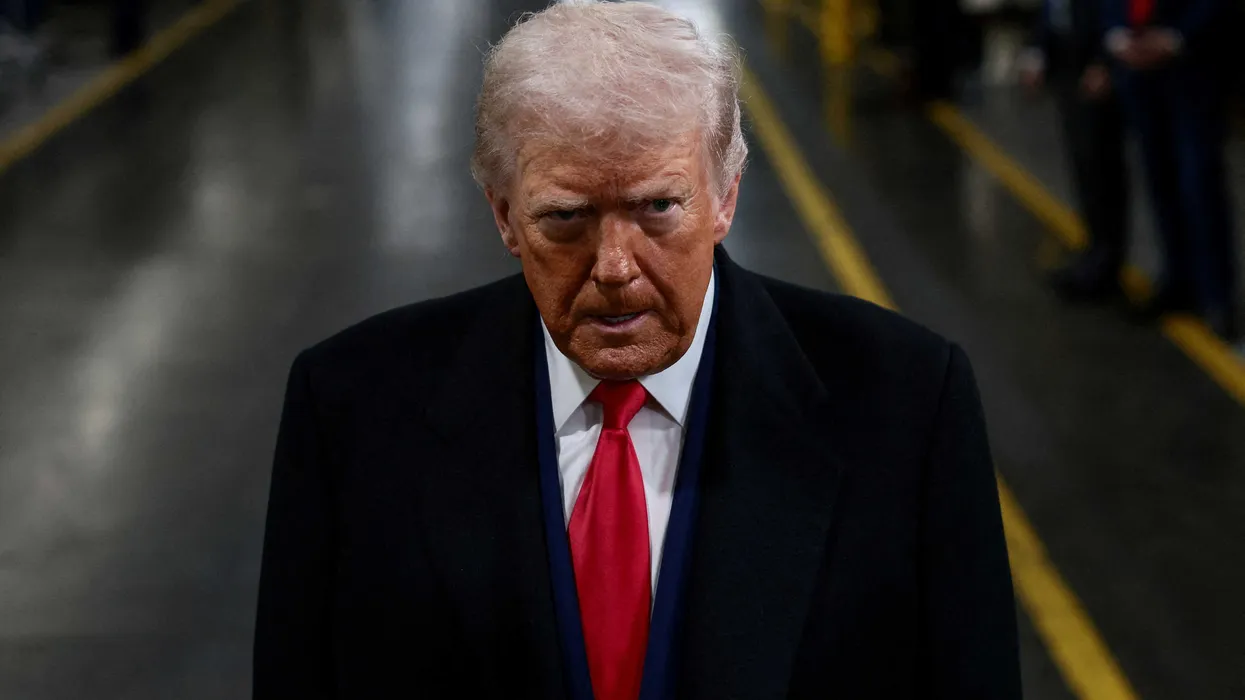
In the aftermath of the Republicans' midterm drubbing, President Trump is elevating Stephen Miller, his forceful domestic policy adviser, to chief of staff — the West Wing's most senior staff position, responsible for managing the president's time, priorities, and team. According to New York Times reporter and Trump biographer Maggie Haberman, the Friday announcement that Miller will replace Susie Wiles shows the president doubling down on his unpopular agenda.
Haberman described what she views as a disconnect in The New York Times: the Republican losses in the midterms amounted to a clear rebuke of the president and his record in office, yet with two years remaining in his term, Trump is not changing direction. By installing Miller — a figure of deep ideology whom Haberman has called the "most powerful policy staff member in the modern history of the presidency" — the president, in her words, "is doubling down on Trump's agenda, not switching course."
Representative Robert Garcia of California, the Democrat set to chair the House Oversight Committee — the panel with broad authority to investigate the executive branch — in the next Congress, intends to investigate Miller over his role in the administration's hard-line approach to deportations.
In a statement, Garcia echoed Haberman's assessment, saying Trump is doubling down just days after the American people rejected what he called a corrupt and lawless presidency. He described Miller as "the architect of the unconstitutional ICE raids that have terrorized our communities," adding that the raids have kidnapped and killed American citizens and immigrant families.
Miller, 41, has served as deputy chief of staff and has stood behind some of the most divisive domestic policies of Trump's second term, immigration foremost among them. He has been at Trump's side since his first presidential campaign and served all four years of the president's first term in the White House. He has also been a driving force behind the crackdown on liberal institutions. His promotion places the immigration portfolio — the issue at the heart of Garcia's pledged investigation — at the center of the West Wing for the final two years of the term.
Wiles was the first woman to hold the top post in the West Wing and was instrumental in Trump's 2024 victory, which came four years after his loss to Joe Biden.
"Serving President Trump in the White House has been the honor of a lifetime," Wiles posted on social media. She said she was very proud of what the administration had accomplished — from securing the border and cutting taxes to shoring up the economy and putting America First — and that, above all, she was thankful for the extraordinary people she had been privileged to work with.
Before her departure was announced on Friday, Calley Means, a former Trump health official, charged in an interview with podcaster Joe Rogan that Wiles had caved to "unrelenting" demands from industry lobbyists and had placed political fundraising ahead of the health of Americans.

