Trump State Department Faces Allegations of Illegal Political Loyalty Tests for Career Diplomats
Key Takeaways
- •Mid- and upper-level Foreign Service candidates were reportedly asked during vetting how they voted in the 2016, 2020 and 2024 presidential elections.
- •Officials allegedly indicated that only Trump voters would qualify for senior roles and that campaign donation histories would be reviewed, with Democratic donors disqualified.
- •Such loyalty screening could breach federal protections that bar political affiliation from influencing employment decisions for career diplomats.
- •Sen. Jeanne Shaheen said the Senate Foreign Relations Committee is working with the House and other panels to thoroughly investigate the allegations.
- •The State Department has not issued a formal statement, though a spokesperson denied the vetting was a partisan test, describing it as "fidelity" and noting Secretary Marco Rubio rewards employees who deliver results.
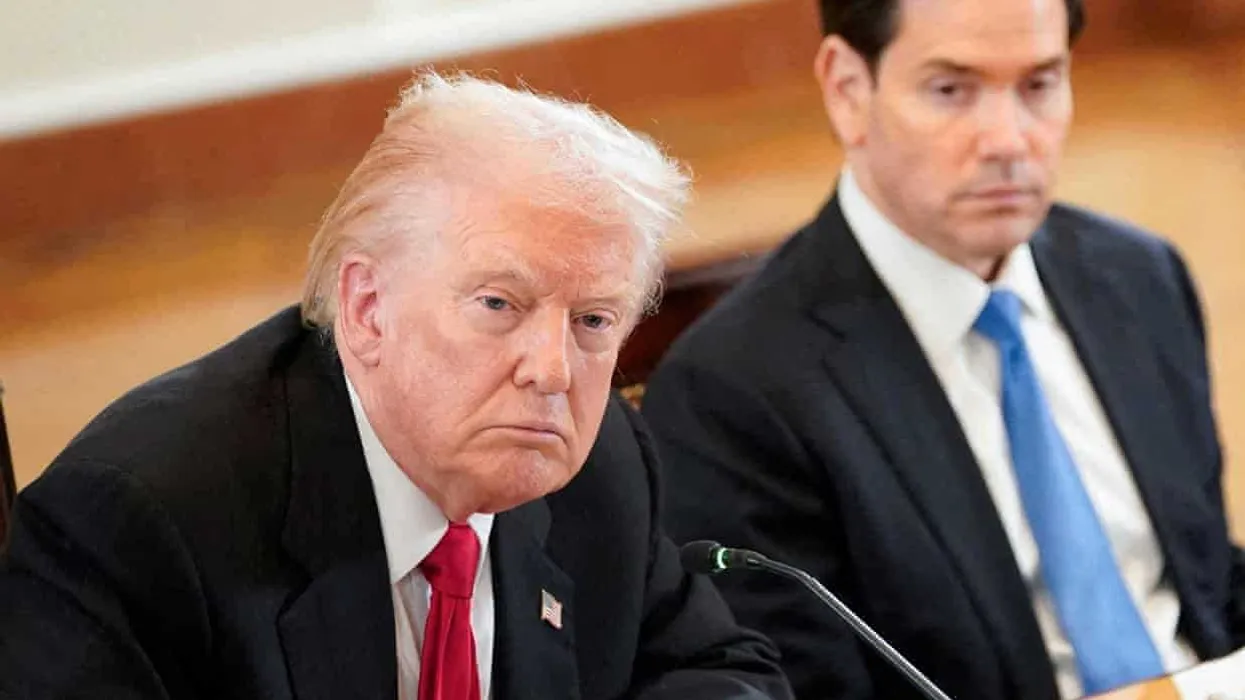
President Donald Trump's State Department is facing allegations that it screened career diplomats for political loyalty — including asking whom they voted for in recent presidential elections — in what appears to be an illegal scheme.
According to a report by The Washington Sun, mid- and upper-level Foreign Service personnel were asked about their political loyalties during vetting, which could violate federal protections barring political affiliation from influencing decisions about career personnel. Those safeguards underpin a career workforce intended to stay in place and remain neutral as administrations.
Candidates were reportedly asked whom they voted for in the 2016, 2020 and 2024 elections. Top State Department officials told them that only those who had voted for Trump would be eligible for mid-to-upper-level foreign service roles, and warned that campaign donation histories would be investigated, with anyone who had given money to Democrats disqualified. In U.S. elections, ballots are secret, so how an individual voted is not a matter of public record, while federal campaign contributions are publicly disclosed — a distinction that shapes what kind of screening can actually be documented.
The report said six current and former officials with knowledge of the alleged scheme were interviewed, and three had spoken directly with people who were asked the questions.
Unlike political appointees, career diplomats serve across administrations regardless of whether the president is a Republican or a Democrat, or which party controls Congress. That divide between political appointees and the career corps is precisely where the legal question raised by the allegations sits.
Democrats in Congress are now planning to investigate the alleged scheme.
Sen. Jeanne Shaheen of New Hampshire, the ranking Democrat on the Senate Foreign Relations Committee, the panel with oversight jurisdiction over the State Department, said the panel was aware of the allegations and had been monitoring the situation closely.
"The Committee has been following allegations that the Trump Administration is making political affiliation a factor in employment for some time now," she said, per the report, adding: "These are critical national security positions, and individuals should be chosen for their experience and ability, not their political loyalty. We are working with the House and other relevant committees to thoroughly investigate all such claims."
The State Department has yet to release a statement reacting to the allegations.
However, a spokesperson defended the department's emphasis on "fidelity," describing the standard as a commitment to the Constitution, lawful conduct and implementing the president's foreign policy.
"Fidelity means upholding the Constitution and the law and executing policy with loyalty to the American people and their interests," the spokesperson said. The spokesperson denied that the vetting amounted to a political test, saying it was "not about partisan behavior," and added that Secretary of State Marco Rubio was rewarding employees who delivered results.
The questions surfaced after the department changed its performance evaluations last year to measure how closely employees align with administration priorities. The department has also carried out a massive staff overhaul in which roughly a quarter of employees lost their jobs, though it is unclear whether those changes were directly related to the loyalty-test allegations.
Max Stier, president of the nonpartisan Partnership for Public Service, a nonprofit focused on the federal workforce, called the alleged loyalty-test screening an "appalling and flagrant disregard of federal law." With the department yet to formally respond and congressional inquiries still taking shape, what investigators are able to document — and whether the State Department directly addresses the allegations — will be the key markers to watch.

