Experts Flag Rising Profanity and Rambling in Trump's Speeches as Signs of Cognitive Decline
Key Takeaways
- •A New York Times article co-authored by Dylan Freedman and Peter Baker found that Trump uses swear words nearly three times as often in public remarks as he did ten years ago, a pattern some medical experts associate with age-related disinhibition.
- •The CNN discussion also highlighted Trump's frequent public comments on men's appearances, including a compliment about Sen. Jon Husted, which some fellow Republicans view as excessive during a midterm season focused on affordability.
- •According to Freedman, Vice President Vance acknowledged that the White House has been talking frequently about the male body.
- •Dr. Henry Abraham, a psychiatrist formerly of Tufts University who led a May letter to Congress signed by three dozen health professionals calling for invocation of the 25th Amendment, told AlterNet that Trump shows signs consistent with evolving dementia and possibly a mood disorder.
- •Since 1973, the American Psychiatric Association's Goldwater Rule has barred members from giving professional opinions on public figures they have not personally examined, though some psychiatrists challenge the guideline citing a duty to warn.
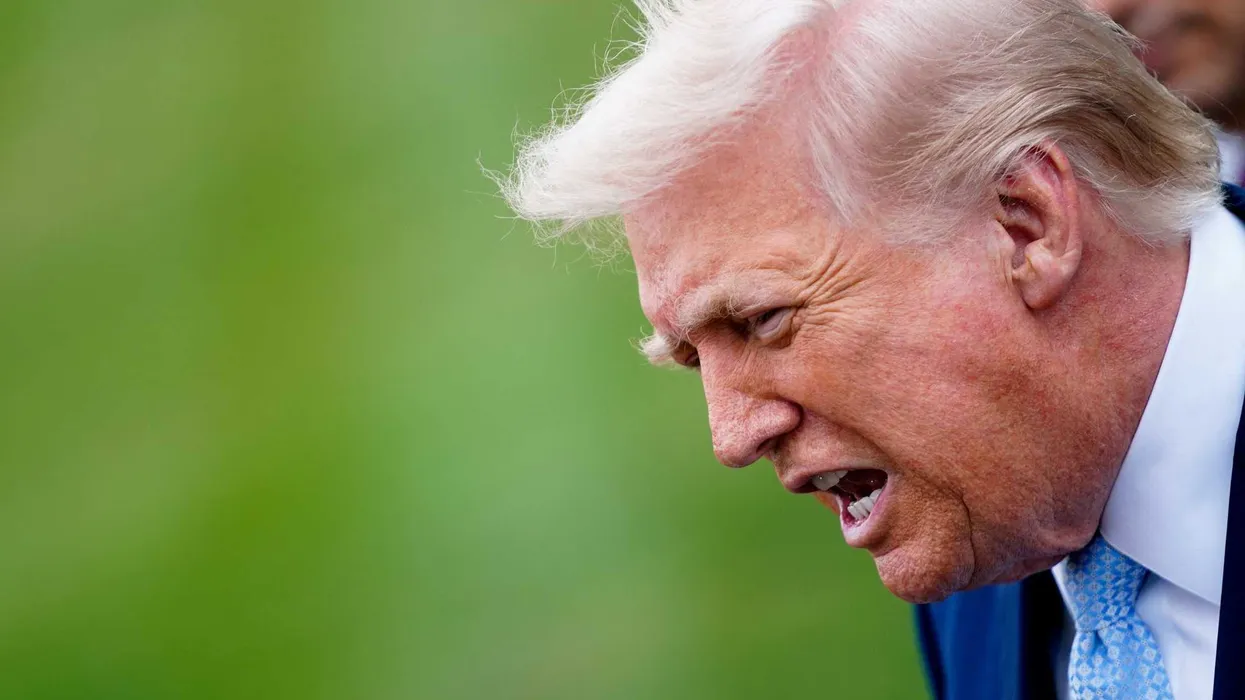
Two journalists who have covered President Donald Trump in depth say his recent speeches display what they describe as alarming signs of cognitive decline, pointing to a sharp rise in profanity, rambling remarks and an unusual focus on men's appearances. A psychiatrist who led a May letter to Congress raised similar concerns in an interview with AlterNet.
During Monday's CNN broadcast, anchor Jake Tapper spoke with The New York Times reporter Dylan Freedman about a recent article he co-authored with Peter Baker examining the president's public remarks.
"You wrote about how much more profane, rude, crass the president is in public remarks," Tapper said, citing part of what Trump told a reporter last Friday after being asked what Tapper called a "rather innocuous" and sympathetic question: "Are you feeling okay?" "How does an interaction like that differ from what we might have seen from him 10 years ago?" he asked.
Freedman replied that Trump sounded noticeably different a decade ago. "Yeah, I mean, if you listen to Trump 10 years ago, it's almost amazing how much more sort of normal, less coarse he sounds," he said. "And we found that he's using swear words almost three times as much as he was then, which, you know, we're not doctors, but some medical experts point to that as a sign of age-related disinhibition."
Public assessments like these land within a long-running fault line in American psychiatry: since 1973, the American Psychiatric Association's Goldwater Rule has instructed members not to offer professional opinions about the mental state of public figures they have not personally examined — a guideline some psychiatrists have openly challenged, citing a duty to warn.
The conversation then turned to Trump's recent fixation on men's appearances, including his public compliment about the backside of Sen. Jon Husted (R-OH).
"I mean, again, this is in public during a midterm election season where voters are really worried about being able to put food on the table," Tapper said. "What do you take away from this?"
Freedman responded: "That's right. I mean, we see sort of all these issues that are on American's minds like affordability and we found he almost as often is talking about men's posterior specifically, which is just absurd to think, you know, from a sitting president. Even some fellow members of the Republican Party are sort of saying this is a step too far. And we've even heard Vance admit that, you know, we've been talking a lot about the male body lately in the White House these days."
In a separate interview, AlterNet spoke Monday with Dr. Henry Abraham, a psychiatrist formerly of Tufts University who was the lead author of a May letter to Congress signed by three dozen top health professionals. The letter asked government officials to invoke the 25th Amendment, which allows a president to be forcibly removed from office if they are mentally incompetent. Ratified in 1967 in the aftermath of President John F. Kennedy's assassination, the amendment's Section 4 — the clause such appeals target — calls for the vice president and a majority of the Cabinet to declare a president "unable to discharge the powers and duties" of the office, with two-thirds of both houses of Congress needed to resolve any dispute; the provision has never been used to remove a sitting president.
"When you put grandiosity into the picture, or as Peter Baker put it so brilliantly in a recent article, essentially counting up the number of times that Trump has gone off the rails, you have to conclude that, yeah, this guy really has major psychiatric illness," Abraham told AlterNet. "It is certainly consistent with evolving dementia. It may also be very much tied to a mood disorder. The cause of that mood disorder, we don't know. But this is not a good picture when you put together grandiosity, rage attacks, rambling conversations or granding speeches, and you haven't added other signs and symptoms of neurocognitive decline, such as his paraphagia, where he just can't say words and he can't remember the words."

