Trump's Social Media Posts Undermine His Own Case Against ABC, Legal Analysts Say
Key Takeaways
- •ABC has entered President Trump's social media posts as exhibits in a legal case arguing that the administration is weaponizing the FCC to punish unfavorable media coverage.
- •Law professor Leah Litman described Trump's actions as part of a broader pattern of retaliatory threats against media outlets, universities, and political adversaries.
- •ABC's court filing characterizes the administration's actions as an ultimatum to media companies to shape coverage to the administration's liking or face penalties.
- •When Trump previously pushed to remove Jimmy Kimmel from the air, ABC's parent company Disney reportedly lost between $3.5 billion and $4.99 billion in market value and nearly 3 million subscribers.
- •Lower courts have so far treated Trump's own public statements as evidence of retaliatory intent, but the Supreme Court's willingness to do the same remains uncertain.
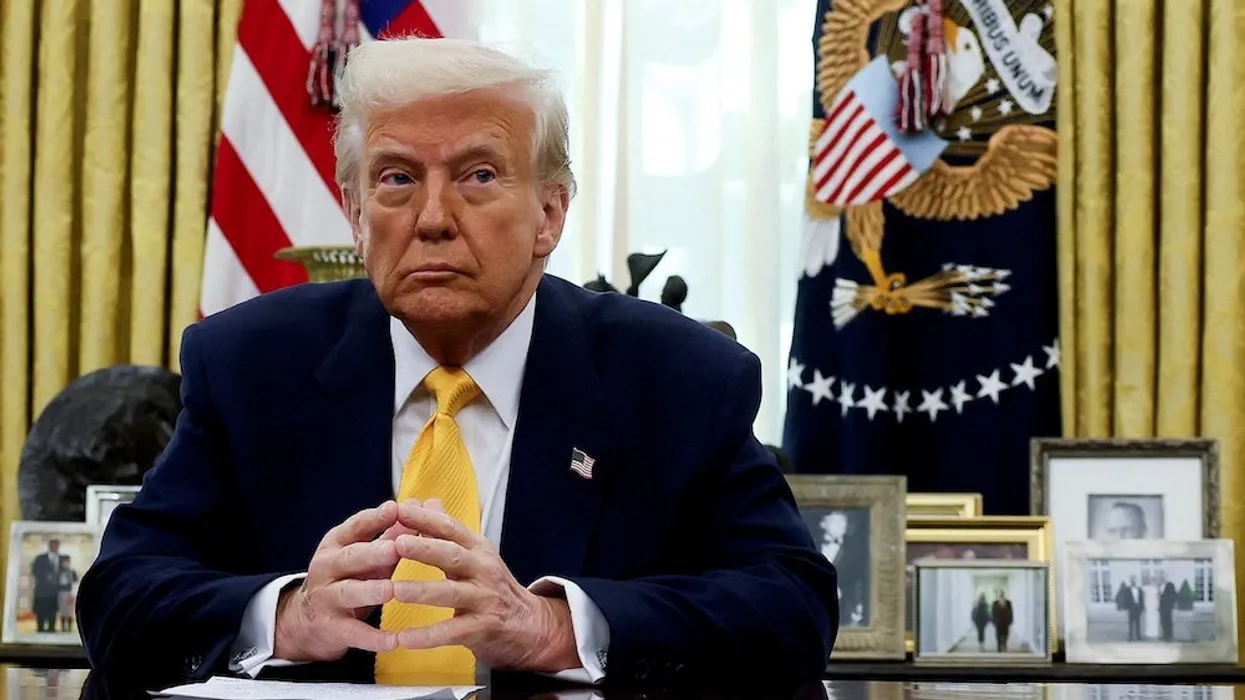
President Donald Trump's public campaign against ABC network—stemming from his ongoing feuds with late-night host Jimmy Kimmel and the co-hosts of "The View"—may be unraveling due to his own social media declarations, according to legal analysts.
Speaking on Greg Sargent's podcast for The New Republic, law professor Leah Litman explained how Trump's own statements have undercut his position. Sargent noted that Trump's social media posts have been entered as exhibits in ABC's legal case, which contends the administration is weaponizing the Federal Communications Commission (FCC) to target political adversaries. The FCC regulates broadcast licenses for television stations that transmit over public airwaves, making those licenses essential to a network's ability to operate. Sargent described FCC Chairman Brendan Carr as Trump's "slavishly devoted accomplice."
"This captures something really essential about Trump's open corruption and whether our institutions are capable of constraining it," Sargent said.
Litman characterized Trump's behavior as part of a broader pattern in which unfavorable coverage prompts threats to revoke FCC licenses from network affiliates. In other instances, Trump has openly threatened to deploy the FCC against networks whose coverage he disapproves of. The strategy touches on core First Amendment protections for press freedom, as courts have historically held that government retaliation against media outlets for their coverage raises serious constitutional questions.
The most significant case arose when Trump pushed to have Kimmel removed from the air. According to a Fox Business report at the time, ABC's parent company Disney lost between $3.5 billion and $4.99 billion in market value and nearly 3 million subscribers. Kimmel later quipped that the same approach would not work against Stephen Colbert, since so few viewers use Paramount's subscription service.
"If they don't rent licenses, that's the end of the company," Litman explained.
ABC's legal response to the Trump administration's filing was sharply worded. Sargent, reading from the court document, described it as "scathing."
"The retaliation against ABC is a signal to every media company in the country: accommodate the administration's view of what news coverage should look like or pay the price," the filing states.
Litman said the administration's posture amounts to a clear directive: "to stand down, do our bidding or face the penalty." She noted similar patterns directed at universities, former FBI Director James Comey, New York Attorney General Letitia James, special counsel Jack Smith, and Dr. Anthony Fauci.
A particularly notable element of ABC's legal strategy is its citation of one of Trump's own social media posts as evidence of political targeting. Trump wrote: "Why is it that ABC and NBC Fake News, two of the worst and most biased networks, aren't paying millions of dollars a year in license fees? They should lose their licenses for their unfair coverage of Republicans."
Litman acknowledged that such legal arguments have proven effective in lower courts, but raised the broader question of whether the Supreme Court would intervene. The outcome could set a significant precedent for how courts weigh a president's public statements as evidence of retaliatory intent in cases involving governmental pressure on the press.
"Right now I think there's a disparity in lower courts saying, 'The president said what he said. We can't ignore that.' And the Supreme Court saying, 'No, actually we can and we will and we'll just pretend it didn't happen,'" Litman said.

