SNAP Cuts Disproportionately Hit Republican States, Says Former Treasury Advisor Rattner
Key Takeaways
- •Trump's One Big Beautiful Bill Act reduced SNAP funding by $186 billion over ten years, marking the largest cut in the program's six-decade history.
- •More than 5 million low-income Americans, including at least 1.5 million children, have lost food assistance benefits during Trump's second term.
- •The cuts disproportionately impact traditionally Republican-leaning states, which already have the nation's highest rates of food insecurity.
- •New work requirements mandate that adults aged 55 to 64 and parents of children over 14 work at least 20 hours weekly or face a three-month benefit limit over a three-year period.
- •Feeding America has warned that charitable food networks such as food banks and pantries cannot replace SNAP benefits at the scale needed for millions of newly ineligible recipients.
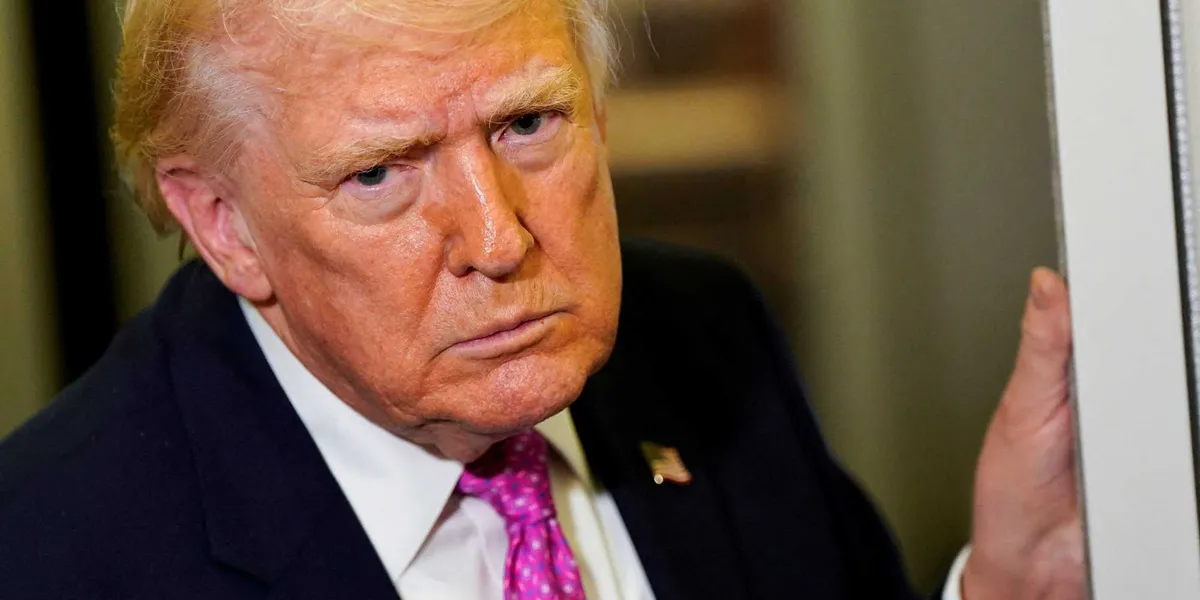
A deepening food assistance crisis is unfolding across the United States following President Donald Trump's cuts to the Supplemental Nutrition Assistance Program (SNAP), the country's primary federal anti-hunger initiative since its establishment as a permanent program in 1964. The reductions are falling hardest on traditionally Republican states, according to former Treasury advisor Steve Rattner.
On Thursday, Rattner shared USDA data showing that SNAP participation had dropped by 5 million people during Trump's second term. "Over 5 million low-income Americans — including at least 1.5 million children — have lost access to food assistance due to Trump's SNAP cuts last year," Rattner stated. "Most of the hardest hit states are traditionally Republican, resulting in growing hunger crises in states like Arizona." He shared his analysis in a post on X.
Last year, Trump's One Big Beautiful Bill Act cut $186 billion from the SNAP budget over a ten-year period — the largest reduction in the program's history. The legislation also introduced strict work requirements for SNAP participants. For the first time, adults aged 55 to 64 and adults with children over 14 are required to work at least 20 hours per week or face a limit of three months of benefits over a three-year period. Additionally, paperwork requirements have increased substantially, creating bureaucratic bottlenecks, while a significant portion of administrative costs has been shifted from the federal government to state budgets. That cost shift comes as many of the affected states already operate under balanced-budget requirements that limit their ability to absorb new expenditures without cutting other services or raising taxes.
Harvard public health policy professor Sara Bleich noted that the SNAP program assists more than 42 million Americans each month — roughly one in eight people nationwide. Seventy percent of participants are elderly, disabled, or children. "The program is reaching vulnerable populations," Bleich said. "When we look at levels of participation by state, we see that there tends to be a higher percentage of participants in the Southern and Southwest parts of the country, largely due to larger populations of families that have lower income."
According to the USDA, food insecurity affects most of the country but disproportionately impacts red states and counties. The states with the highest rates of food insecurity are Texas, Oklahoma, Louisiana, Arkansas, Mississippi, West Virginia, Kentucky, Alabama, Nevada, and New Mexico. Eight of these states went for Trump in the 2024 election, while Nevada's electors were split. These same states have been among those most severely affected by the SNAP cuts, as tracked by Feeding America, which has repeatedly cautioned that the charitable food network — food banks, pantries, and soup kitchens — cannot substitute for federal SNAP benefits at the scale of millions of newly ineligible recipients.
Rattner has also highlighted other concerning economic indicators in recent weeks, including persistently high inflation, lower-than-expected economic growth, a rapidly expanding national deficit, and a stagnant labor market. USDA economic research has historically found that SNAP benefits function as one of the most effective forms of economic stimulus during downturns, with each dollar of benefits generating additional economic activity as recipients spend quickly at grocery stores and local retailers. With midterm elections approaching and voters consistently citing economic issues as their top priority, Republican candidates have been careful to distance themselves from Trump's Big Beautiful Bill.

