Trump Signals Possible Military Action if U.S.-Iran Talks Fail
Key Takeaways
- •Trump said he would limit time spent on U.S.-Iran negotiations and raised the possibility of strong military measures if talks fail.
- •The remarks were made during a fragile ceasefire and ongoing diplomacy following the escalation into the 2026 Iran war.
- •Unresolved disputes include Iran’s nuclear activities and navigation rights in the Strait of Hormuz.
- •Prediction markets currently price the likelihood of the next U.S.-Iran meeting taking place in the United Arab Emirates by September 30, 2026, at about 1%.
- •Future expectations may shift based on official statements, meeting-location announcements, diplomatic changes, military movements, or comments from Iranian officials.
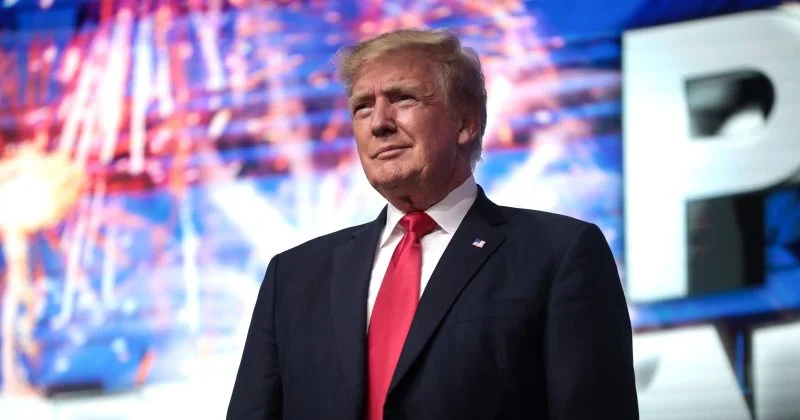
U.S. President Donald Trump said in a recent interview with Channel 12 News that he would not spend much time on negotiations over the continuing U.S.-Iran conflict and suggested that strong military measures would be used if those talks fail.
The remarks came during a fragile ceasefire and amid continued diplomatic efforts between the United States and Iran following the escalation into the 2026 Iran war. They align with a broader U.S. policy approach that has combined diplomatic engagement with the threat of military action.
Recent reporting has pointed to unresolved issues between Washington and Tehran, including Iran’s nuclear program and navigation rights in the Strait of Hormuz. Both issues carry wider strategic significance: Iran’s nuclear activities have long been central to U.S.-Iran diplomacy, while the Strait of Hormuz is a critical maritime chokepoint for global energy shipments and regional security.
Prediction-market pricing showed reduced confidence that the next U.S.-Iran meeting would take place in the United Arab Emirates by September 30, 2026, with current odds at approximately 1% “YES.”
Further developments in the negotiations remain focused on official statements or actions from Trump’s White House and Iran’s Foreign Ministry. Announcements confirming the location of the next diplomatic meeting, changes in diplomatic tactics, military movements, or public statements from Iranian officials could affect expectations around continued diplomatic engagement.

