Trump's Russia-Ukraine Energy Ceasefire Claim Undermined Within Hours as Moscow Strikes Ukrainian Power Plant
Key Takeaways
- •Trump announced on Truth Social that Russia and Ukraine had agreed to an immediate halt on strikes against energy infrastructure, but the Kremlin refused to confirm any such agreement existed.
- •Russian attacks on Ukrainian energy facilities continued after the declaration, leaving Izyum without power and causing outages in Kharkiv, Donetsk and Zaporizhzhia.
- •Zelensky said Ukraine received no advance notice of the arrangement and offered to stop strikes on Russian energy infrastructure in exchange for a reciprocal ceasefire.
- •The Kremlin rejected Zelensky's proposal for a 60-day ceasefire that would allow Ukrainian presidential elections, stating Moscow seeks a permanent peace agreement instead.
- •Trump's announcement followed his decision to ease restrictions on Russia's diesel exports, a move criticized by Zelensky and lawmakers from both parties as potentially funding Russia's war effort.
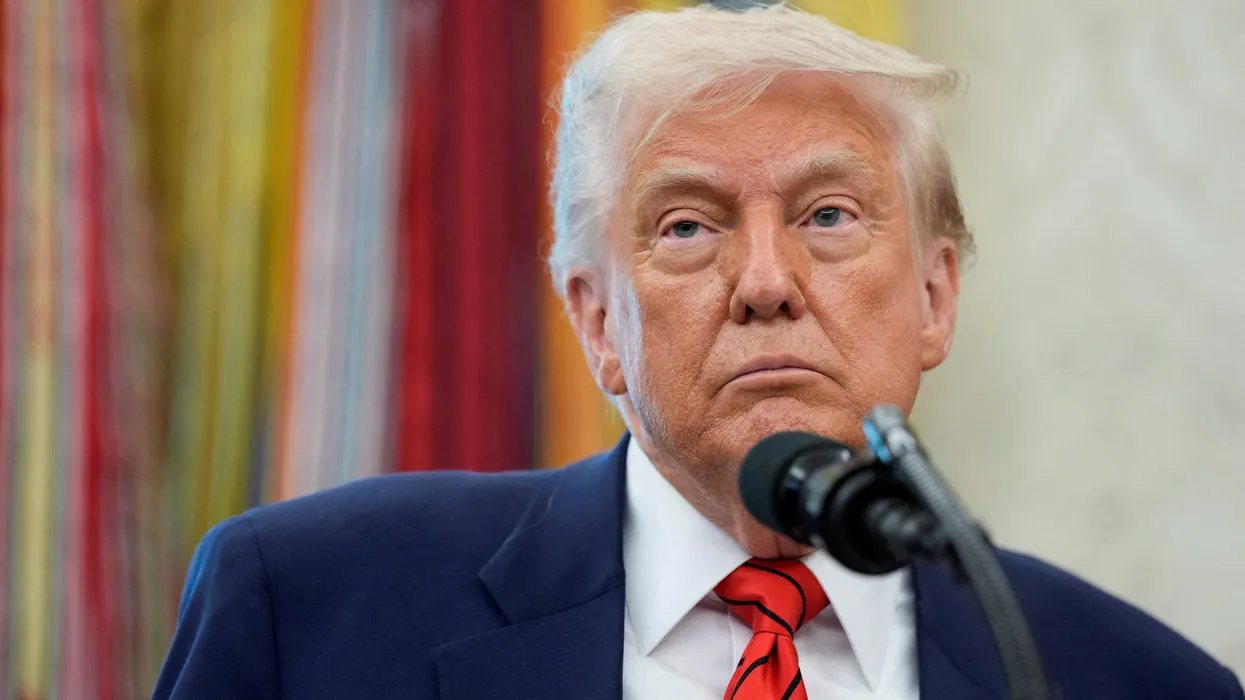
President Donald Trump's declaration of an immediate energy ceasefire between Russia and Ukraine appeared to unravel within hours on Monday, after Russian forces bombed a power plant in eastern Ukraine and the Kremlin declined to confirm that any agreement existed.
The setback came less than a day after Trump announced on Truth Social that both countries had accepted a halt to strikes on energy infrastructure.
"Effective immediately, there is an ENERGY CEASEFIRE in the War between Russia and Ukraine. Both parties have agreed. Do not break it!" Trump wrote on Truth Social.
But when reporters asked whether Russian President Vladimir Putin had accepted the proposal, Kremlin spokesperson Dmitry Peskov refused to endorse the president's claim. "Contacts continue. As soon as we have something to say on the, we will inform you," Peskov said, according to The Guardian. The refusal left both the scope of the announced arrangement and Russia's actual participation in it unclear.
Speaking at the Warsaw Security Forum on Monday, Ukrainian President Volodymyr Zelensky said several Ukrainian energy facilities, including a power plant in Kharkiv, had been attacked following Trump's declaration. Zelensky appeared to mock the announcement on his social media platform.
"It was clear that Putin does not read Truth Social," Zelensky said, according to The Associated Press.
According to a BBC report, the attacks on Ukraine's energy infrastructure left the city of Izyum in darkness after the power grid was destroyed. Power cuts were also reported in Kharkiv, Donetsk and Zaporizhzhia. Strikes on the grid have been a recurring feature of the war, and outages on this scale cut electricity to homes and businesses across multiple cities at once.
Zelensky said he had received no advance notice of the apparent agreement and had learned of it only from media reports, an account that underscored Kyiv's absence from the discussions. He added that Ukraine was willing to stop strikes on Russia's energy infrastructure if Moscow agreed to a ceasefire in return.
The Kremlin, however, flatly rejected Zelensky's proposal for a 60-day ceasefire that would allow Ukraine to hold presidential elections. Peskov said Moscow was seeking a permanent ceasefire agreement rather than a temporary halt, though he stopped short of rejecting Trump's energy ceasefire proposal outright. The exchange highlights the gap between the narrow, sector-specific halt Trump announced and the comprehensive settlement Moscow says it is seeking.
"In the Kremlin, both President Putin and officials at other levels have repeatedly stated that we do not want a ceasefire. We want long-term peace and are prepared to do everything possible to achieve it," Peskov said.
EU foreign policy chief Kaja Kallas, the bloc's top diplomat, expressed skepticism about the plan, saying there was no evidence Russia would honor the proposed ceasefire.
Trump's announcement was followed by his controversial decision on Friday to ease restrictions on Russia's diesel exports, a move Zelensky criticized, arguing it would help Moscow fund its war efforts. Revenue from exports of oil and refined products such as diesel is a pillar of the Russian state budget, which is why such restrictions have been a central instrument of sanctions pressure. Trump responded by saying that Ukraine should "get a new leader who can make a deal."
Lawmakers from both parties also criticized the move, arguing that easing restrictions could provide a financial benefit to the war effort.
With Moscow withholding confirmation and strikes on the grid continuing, the immediate questions are whether Russia formally joins the arrangement Trump announced, and whether the attacks on energy infrastructure stop.

