Trump Signs Sanctions Act Targeting Russia's Energy Sector With Tariffs of Up to 500%
Key Takeaways
- •The newly signed law permits tariffs of up to 100% on the five largest importers of Russian crude oil and natural gas, along with a 500% tariff on Russian goods shipped directly to the United States.
- •China and India are the primary targets, together accounting for roughly 87% of Russia's crude oil exports, with China absorbing about 50% and India around 37%.
- •The legislation extends existing sanctions on Iran's energy and weapons sectors through 2031.
- •The President can grant national security waivers, primarily for countries showing measurable progress in reducing reliance on Russian energy, and the tariff provisions expire after five years.
- •If enforced aggressively, the measures could disrupt the majority of Russia's crude exports and force large-scale supply chain rerouting, placing India's balancing act between Washington and Moscow under serious strain.
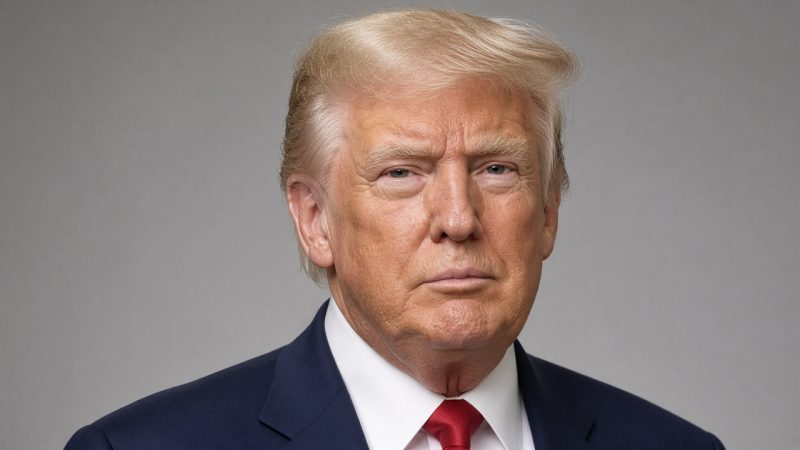
President Donald Trump signed the Lindsey O. Graham Sanctioning Russia and Iran Act into law on September 18, 2026, enacting one of the most aggressive sanctions packages aimed at Moscow's energy revenues since Russia's invasion of Ukraine. The legislation authorizes tariffs of up to 100% on the top five importers of Russian crude oil and natural gas, along with a 500% tariff on Russian goods shipped directly to the United States.
The bill cleared the House on September 16 in a 262-159 vote, shortly after passing the Senate. With the measure now law, attention turns from Capitol Hill to the executive branch, where decisions on activation and enforcement will shape how — and how quickly — the tariff provisions take effect.
China and India Face the Largest Exposure
China and India are the primary targets of the measure. The countries together account for roughly 87% of Russia's crude oil exports, with China absorbing approximately 50% and India around 37%. Their outsized role reflects the eastward tilt of Russia's oil trade since the 2022 invasion, which made discounted Russian crude a mainstay for refiners in both countries. Under the new law, both nations could face triple-digit tariffs on their Russian energy purchases.
The legislation also takes aim at Iran, extending existing sanctions on Tehran's energy and weapons sectors through 2031.
Waiver Provisions and a Five-Year Sunset
The law includes waiver provisions that allow the President to grant exceptions on national security grounds. These waivers are primarily intended for countries that demonstrate measurable progress in reducing their dependence on Russian energy. Which buyers ultimately qualify — and on what terms — will be closely watched as the framework moves from statute to implementation.
The tariff provisions themselves carry a built-in sunset clause, expiring after five years.
Critics have raised concerns about the breadth of powers the law grants to the executive branch. Giving any president the authority to impose 500% tariffs, they argue, amounts to a significant delegation of economic firepower. Some observers contend that a maximum-pressure sanctions approach could complicate diplomatic efforts to end the conflict in Ukraine.
Global Energy Market Implications
If enforced aggressively, the tariffs would disrupt the flow of roughly 87% of Russia's crude exports, forcing a massive reallocation of global supply chains. Countries currently buying Russian oil at a discount would need to source barrels from other suppliers, and rerouting volumes on that scale can reverberate through shipping routes, refining economics, and consumer fuel costs.
India faces its own dilemma. New Delhi has carefully maintained relationships with both Washington and Moscow, purchasing discounted Russian crude while deepening strategic ties with the United States. Being forced to choose sides on energy procurement places that balancing act under serious strain.

