Conservative Writer Says Trump Has Created Opportunity for Russian Pressure on NATO
Key Takeaways
- •Catoggio said Russia may view the current moment as favorable for confronting the West because the White House is overextended and reluctant to enter another war.
- •He argued that U.S. military readiness is strained and cited shortages of Precision Strike Missile and Army Tactical Missile Systems as relevant to defending against a Russian land invasion.
- •Catoggio said Trump has shown reluctance to confront Moscow and may be vulnerable to Putin’s “escalate to de-escalate” strategy.
- •He suggested Trump could withhold or limit help to NATO allies, especially Poland, in response to grievances over Europe and the Iran conflict.
- •Catoggio concluded that Trump would likely reduce U.S. support rather than fully commit to expelling Russian forces from NATO territory.
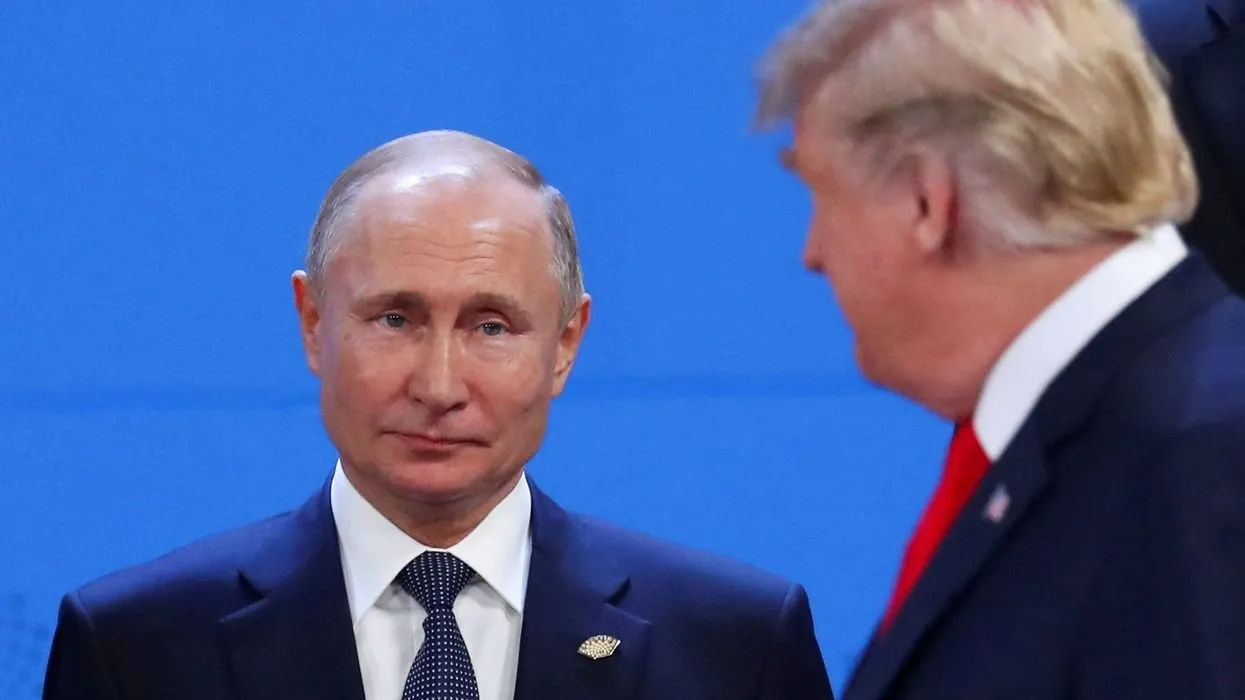
Conservative writer Nick Catoggio told The Dispatch that President Donald Trump has managed to do what many U.S. presidents failed to do: create conditions that could push Russia into a hot war with the rest of NATO.
“Strange as it may sound, in many ways this is an opportune moment for Putin to confront the West,” Catoggio wrote, citing Trump’s CIA chief as saying Russian leader Vladimir Putin is considering the prospect soon.
Catoggio argued that Russia may see an opening because “an overextended White House is compelled by circumstance to think twice before involving America in any new wars.” He also said the United States is not currently positioned to fight a two-front war, a point that reflects how quickly U.S. attention and military resources can be stretched when multiple crises compete at once. Citing a Wall Street Journal report, he said Precision Strike Missile and Army Tactical Missile Systems are crucial to repelling a Russian land invasion. “Thanks to Trump’s folly in Iran, we’re a little short on both,” Catoggio wrote.
He said Trump is not only a president whose military leadership he views as careless, but also one who shows “fecklessness and ideological sympathies” toward Putin.
“Trump has always craved détente with authoritarian Russia; no president since the Cold War has been more reluctant to confront Moscow militarily than he is,” Catoggio said. He added that Trump is also vulnerable to what he described as an “escalate to de-escalate” strategy, noting that Trump has repeatedly described the Ukraine war as a prelude to World War III since his last presidential campaign and confronted Ukrainian President Volodymyr Zelenskyy about it during Zelenskyy’s Oval Office visit in 2025.
Catoggio also said Trump remains “chronically aggrieved at Europe,” especially after NATO allies declined to “join his silly war in Iran.” He suggested Trump could respond to a Russian invasion of Poland by refusing to help, saying: “They didn’t help us with the Strait of Hormuz, why would we help them with Putin?”
He went further, saying he would not rule out Trump calling the Kremlin and offering to recognize Russian authority over seized territory if Iran reopened the strait. “He’s a fan of quid pro quos, you may have heard,” Catoggio said.
Catoggio also said Trump may avoid any U.S. military effort to push Russian forces out of NATO territory because he fears the effect of a European war on the American economy. “[It] wouldn’t be the first time that he sold out to a rogue regime to spare himself a presidential legacy of economic hardship,” he said.
He concluded that Trump already looks like a weak leader, and that a Russian attack would deepen that impression. A “show of weakness in Iran” followed by a second, “more consequential show of weakness toward Putin” could signal to adversaries that Trump is willing to back down, Catoggio said.
“My guess is that the president would approach a Russian incursion into NATO territory the way he’s approached U.S. backing for Ukraine, splitting the baby by reducing America’s support without ending it altogether,” he concluded.

