Trump's Diesel Deal with Russia an 'Abject Humiliation' — and It's 'Only the Start,' Former Russian Official Warns
Key Takeaways
- •The agreement represents a direct rollback of the U.S. ban on Russian oil and petroleum imports imposed in March 2022 in response to Moscow's full-scale invasion of Ukraine.
- •Sergey Aleksashenko, who served as Russia's deputy finance minister and first deputy chairman of its Central Bank before fleeing to the United States in 2014 and landing on a Kremlin wanted list in 2023, published the critique in The i Paper.
- •Aleksashenko argued Putin won a sanctions concession without withdrawing troops, halting attacks on Ukrainian civilians, or offering any meaningful step toward peace, while the diesel quantities involved would barely affect global markets.
- •Trump spent the weekend defending the decision, saying he was negotiating peace between Russia and Ukraine and did not want to drive Russia away, while claiming substantial progress toward a peace deal.
- •Putin envoy Kirill Dmitriev has already described the agreement as a model for broader U.S.-Russia economic cooperation, raising the question of whether further sanctions relief will follow without reciprocal Russian actions.
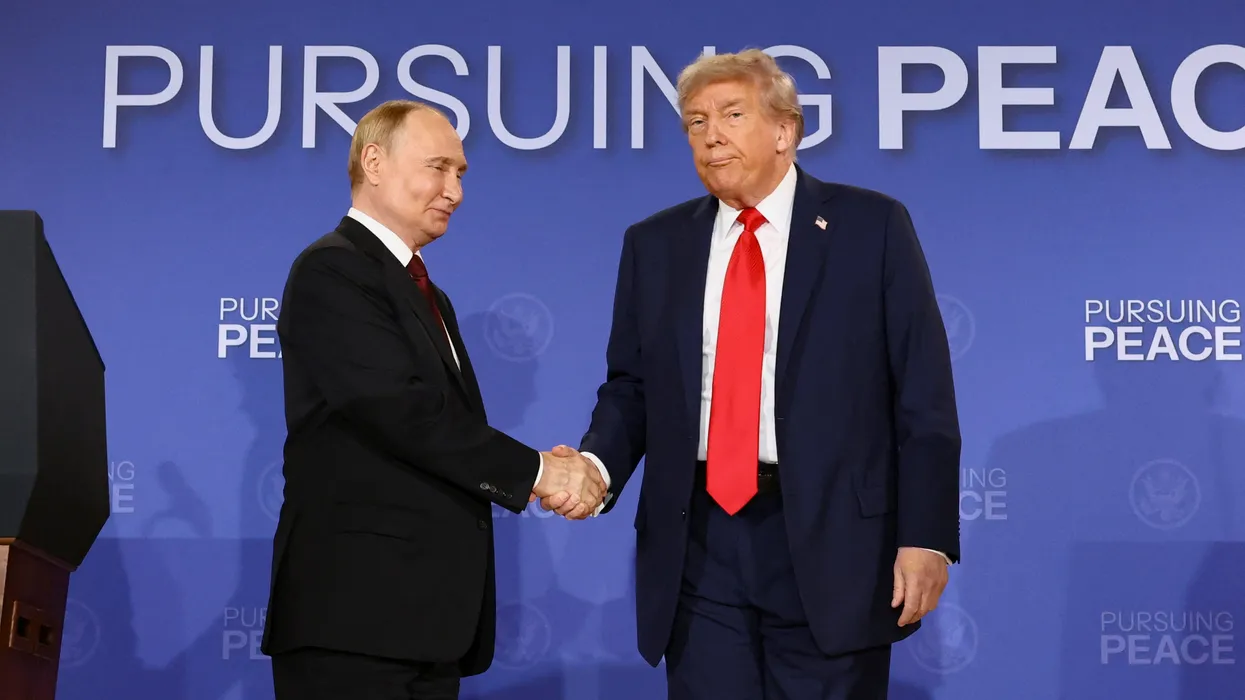
President Donald Trump's diesel agreement with Russia was "a triumph" for President Vladimir Putin and an exercise in "abject humiliation" for Trump — and, one former Russian government official warns, it is "only the start" of him being taken advantage of.
Sergey Aleksashenko, a Russian economist who served as the country's deputy finance minister from 1993 to 1995 and later as first deputy chairman of the Central Bank of Russia, became an enemy of the Putin government, fleeing to the United States in 2014 and landing on a Kremlin wanted list in 2023. Writing for The i Paper on Monday, he detailed how thoroughly Putin prevailed under the diesel fuel export deal Trump accepted in a bid to bring down prices in the United States. The concession carries weight beyond its fuel volumes: Washington barred imports of Russian oil and petroleum products in March 2022 in retaliation for Moscow's full-scale invasion of Ukraine, and the agreement marks a direct retreat from that sanctions line.
"The Russian leader won an American sanctions concession without withdrawing a soldier, suspending attacks on Ukrainian civilians or offering a single meaningful concession toward peace," Aleksashenko wrote. "In return, Trump got the promise of enough diesel to barely register in global markets."
Trump spent the weekend defending the decision, saying he was "in the process of negotiating peace in the war between Russia and Ukraine" and did not want to drive Russia away. On Sunday, he claimed he was making "great progress" in a peace deal — a framing Aleksashenko dismissed outright.
"But the reality is, this is a remarkably one-sided bargain," Aleksashenko wrote. "Inside the Kremlin they will be celebrating. The fact of the matter is that the White House has managed to turn Russia's damaged refineries into a reason to reward the Kremlin."
Despite the fanfare surrounding the announcement, the volume of diesel the U.S. is now poised to import from Russia amounts to a "rounding error" against what the world consumes each month, meaning truckers and farmers battered by skyrocketing prices are almost certain to see no relief. The gap between announcement and relief matters because diesel is the workhorse fuel of the physical economy — it hauls freight, powers harvesters and construction equipment, and its price is baked into the cost of food and goods on store shelves. Aleksashenko argued that the deal's financial value to Russia is minimal — but that the Kremlin is acutely aware of the political value it delivers.
"The Kremlin understands the political value of the diesel deal perfectly," he wrote. "It weakens Western unity and establishes a precedent for peeling back sanctions without any reciprocal Russian steps. On Wednesday, Putin envoy Kirill Dmitriev was already talking about this agreement as a model for broader US-Russia economic co-operation." The question now hanging over the agreement is whether Dmitriev's "model" framing hardens into further sanctions relief without reciprocal Russian steps — precisely the precedent Aleksashenko says the Kremlin is counting on.
He concluded: "Putin got what he wanted immediately. Trump got to announce what Americans may never feel. Russia offered diesel – the United States surrendered leverage. Calling that a victory is not merely wishful thinking. It is an embarrassment."

