Trump Revives Dormant Centuries-Old Laws to Expand Executive Power, Report Finds
Key Takeaways
- •Matt Ford argues in The New Republic that the Trump administration is weaponizing long-dormant statutes that Congress never repealed rather than only violating existing laws.
- •The administration has moved this summer to revive the Alien Terrorist Removal Court for deportations in classified settings and prize courts to seize Iranian oil tankers.
- •Trump invoked the Alien Enemies Act of 1798, part of the Alien and Sedition Acts last used during World War II, against Venezuelan nationals alleged to belong to Tren de Aragua.
- •Reviving dormant statutes is harder to challenge in court because the administration can cite explicit statutory authority, pushing disputes into novel constitutional territory.
- •Ford urges Congress to repeal or revise obsolete laws, noting the federal government had never before used the ATRC to deport anyone.
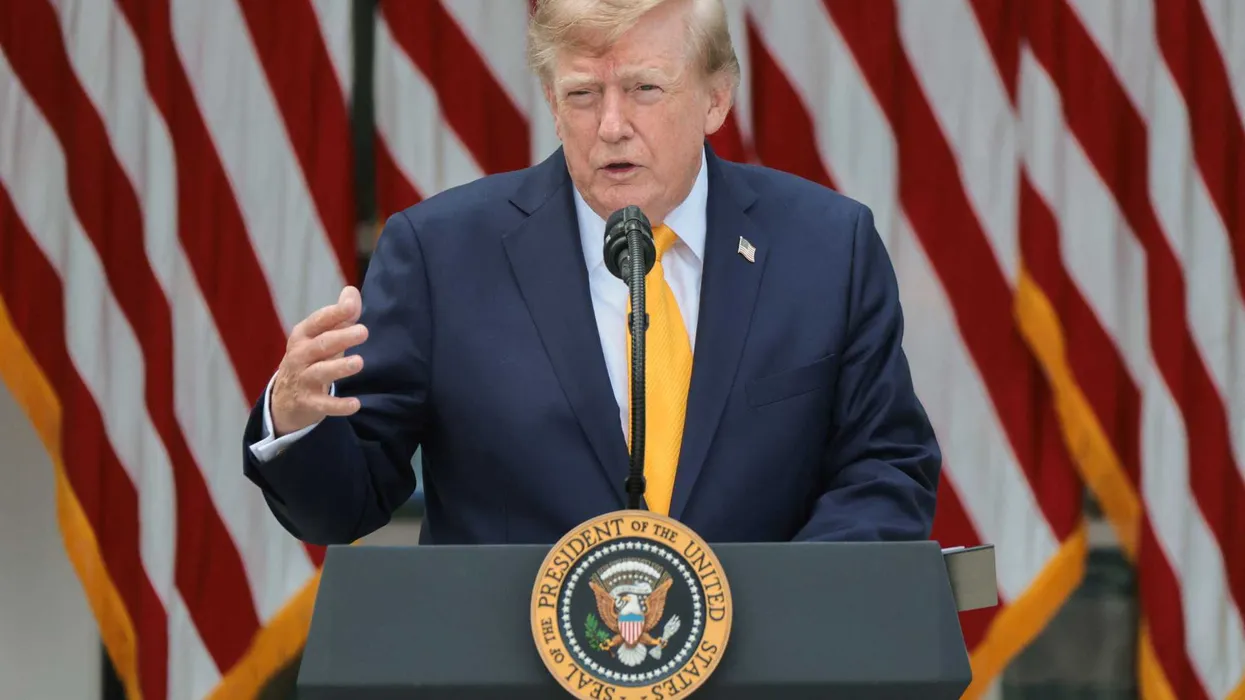
Critics of President Donald Trump frequently accuse him of blatantly violating federal and state laws in an effort to expand his power. But according to Matt Ford of The New Republic, a significant element of Trump's ongoing power grab relies on a different tactic: unearthing "moribund" laws still on the books and finding ways to weaponize them.
Ford reports in The New Republic that these long-dormant statutes remain in force, and the administration and its legal team are discovering ways to exploit them.
"Congress has spent the last two centuries passing laws," Ford explains. "These laws often remain on the books, so to speak, long after their purpose has been fulfilled until lawmakers repeal them. Occasionally, the Trump administration finds something buried within this back catalogue that it can wield for its own purposes — and to no good end."
The strategy matters because it sits in a legal gray zone: unlike outright violations of law, using statutes that Congress never repealed is harder to challenge in court, since the administration can point to explicit statutory authority. The Alien Enemies Act invocation, for instance, quickly drew legal challenges over its applicability in peacetime, illustrating how reviving old authorities pushes disputes into novel constitutional territory.
Reviving Dormant Courts
"This summer, for example, the Trump administration has moved to revive two different courts that are authorized by Congress but have laid moribund for decades or even centuries," Ford continues. "One of them is the Alien Terrorist Removal Court, or ATRC, which the Justice Department plans to use to deport certain applicable immigrants in classified settings…. Earlier this week, the department also began moving towards reviving prize courts, which allow the U.S. government to seize foreign vessels captured during war — more specifically, any Iranian oil tankers captured during the ongoing illegal war with Iran. Under federal law, these prize courts operate within the existing federal district courts to hear cases on the legality of a ship's capture and pave the way for the vessel's eventual sale, as well as the sale of any goods on board."
Prize courts date to the early republic, when Congress authorized them to adjudicate captures during the naval conflicts of the founding era; their revival today would apply a wartime framework that has gone unused in modern practice.
A Call for Congressional Action
Ford argues that Congress should respond to the administration's "enthusiasm for reviving moribund laws to accomplish its policy goals" by "repealing or revising them."
"Trump and his allies have inflicted plenty of harm through violating federal laws during his second term," Ford warns. "Another important problem is when he abuses and misuses existing laws…. It is telling that the federal government had never before used the ATRC to deport someone, even at the height of the War on Terror under the George W. Bush administration."
According to Ford, Congress "has a pernicious habit of leaving loaded guns lying around in the United States Code," and the Trump administration is now taking advantage of those dormant authorities.
"Just because past presidents haven't picked them up and abused them doesn't mean Trump and his successors should be able to do so," Ford observes.
The Alien Enemies Act of 1798
Ford notes that one of Trump's first experiments with moribund laws this term was invoking the Alien Enemies Act of 1798 last year against Venezuelan nationals living in the United States whom the administration claims are members of Tren de Aragua, a Venezuelan gang. The law, as history students may recall, was one component of the Alien and Sedition Acts — a package of controversial and constitutionally dubious laws enacted by the John Adams administration in the late 1790s. The Alien Enemies Act was the only one that was not repealed, though it remained largely unused until recently. Its last prior major uses came during the World War II era, when it was invoked against Japanese, German, and Italian nationals — a history that critics of the current invocation have cited in challenging its use outside a declared war.
